HomeEverythingEducationTV
Equities & FundsCrypto & Digital AssetsAI & TechnologyBusiness & CorporateUS Politics & PolicyGeopolitics & Global RiskMacro, Rates & FXCommodities & EnergyEuropean Politics & MarketsAsia-PacificReal Estate & Property
Story archiveAll categories
← All Stories

Japan's electronics giants pivot to AI and digital technologies

Created at 14 Jul · 9:06 PM1 source↑ Market-relevant
IN SHORT

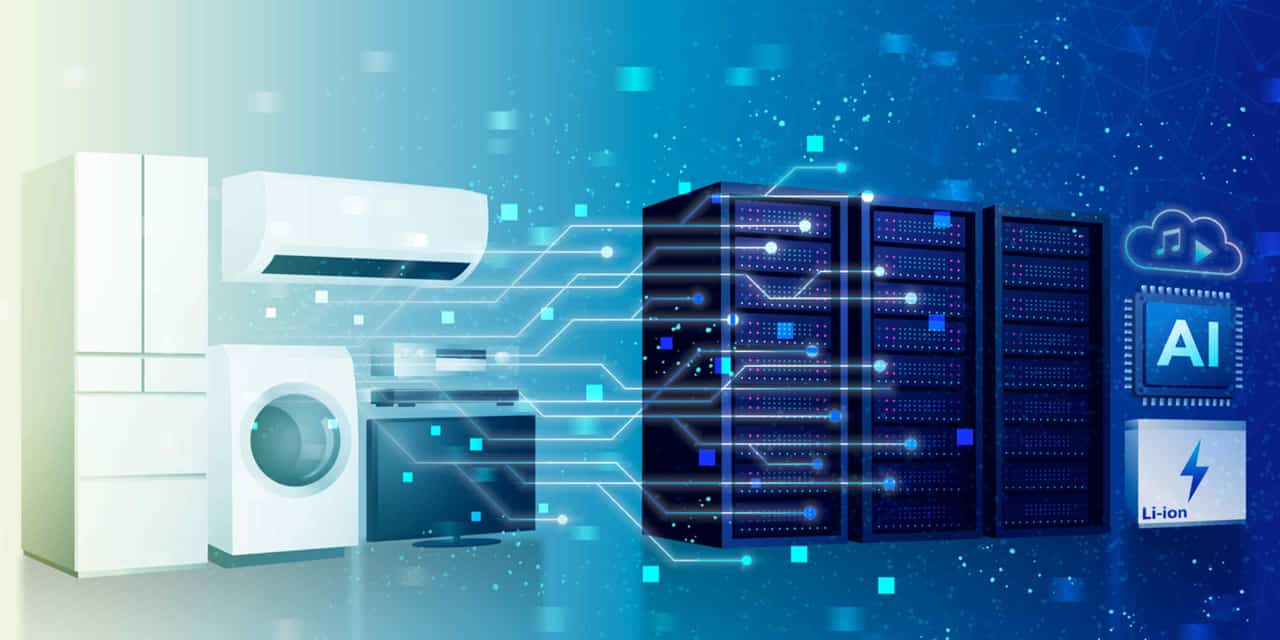
Once global leaders in consumer electronics, Japanese companies like Panasonic and Sony are now focusing on artificial intelligence and digital technologies to regain competitiveness. This shift comes as they face challenges from South Korean and Chinese rivals and adapt to the digital revolution.

✉Newsletter

PiQ Daily

Pick your topics. Get only what matters, on your cadence.

Key Numbers

$9bnexpected loss for Panasonic

Who's Involved

Deng Xiaoping
Former Chinese Vice Premier
Panasonic
Japanese electronics giant, formerly Matsushita Electric
Samsung Electronics
South Korean electronics giant launching AI TVs
Sony
Japanese electronics giant
Sharp
Japanese electronics company
Gerhard Fasol
Tokyo-based economist
Hiroaki Nakanishi
President of Hitachi Corporation
Japan's electronics giants pivot to AI and digital technologies

↳ Why This Matters

The strategic shift by Japan's legacy electronics giants reflects a broader trend of established technology companies adapting to the AI era. Their success or failure will impact global technology markets, supply chains, and the competitive landscape for AI-driven products.

Key facts

  • Japanese electronics giants, including Sony, Panasonic, and Sharp, are transitioning towards AI and digital technologies.
  • These companies, once global leaders, have experienced financial struggles and declining market share.
  • The shift is driven by the digital revolution, which favors software-based business models over traditional mechanical devices.
  • Samsung has introduced AI-equipped televisions as part of its strategy to defend its market position.
  • Hitachi's approach involved divesting consumer electronics divisions to focus on more profitable areas.

Japan's once-dominant electronics companies, such as Sony, Panasonic, and Sharp, are undergoing a significant strategic pivot towards artificial intelligence and digital technologies. These firms, which built their empires on complex electrical machines like televisions and cassette players, have struggled to adapt to the digital revolution that has favored companies like Apple and Samsung, which focus on software and digital products.

Economists note that the shift to digital has fundamentally changed manufacturing and business models, with companies like Apple achieving high profit margins on products like the iPhone, despite manufacturing largely occurring in China. The traditional Japanese model, focused on intricate mechanical devices, has proven less adaptable to the new landscape.

In response to declining fortunes and intense competition, particularly from South Korean and Chinese rivals, Japanese electronics giants are now investing heavily in AI and digital capabilities. Samsung, for instance, has launched AI-equipped televisions to maintain its global market leadership. This strategic realignment aims to move these companies up the value chain and secure their future in the evolving tech industry. Hitachi's president, Hiroaki Nakanishi, previously took a decisive step by divesting many of the company's loss-making consumer electronics divisions, recognizing the industry's structural changes.

Frequently asked questions

The digital revolution fundamentally changed the industry, shifting focus from mechanical devices to software-based business models, an area where Japanese companies were slow to adapt compared to competitors like Apple and Samsung.

Samsung has launched televisions equipped with generative artificial intelligence to enhance features and defend its leading global market position against narrowing competition from Chinese manufacturers.

Hitachi's president, Hiroaki Nakanishi, made the 'un-Japanese' decision to close or sell off many of the company's loss-making consumer electronics divisions to focus on more profitable sectors.

What Happens Next

01Japanese companies are expected to continue investing in AI research and development.
02Further product launches incorporating AI features are anticipated from these firms.
03Market share shifts will likely occur as these companies attempt to regain competitiveness.

Get the newsletter.

Pick the topics you actually care about. We'll email when there's news worth your time, on the cadence you choose. Cancel any time from your account.

Cadence

How It Developed

Japanese electronics giants like Sony, Panasonic, and Sharp once dominated global markets.
These companies are now facing significant financial difficulties and losing market share.
The digital revolution has shifted the industry from mechanical devices to software-based models.
Companies like Apple and Samsung have risen to prominence by embracing digital products.
Hitachi's president, Hiroaki Nakanishi, divested loss-making consumer electronics divisions.
Samsung has launched AI-equipped televisions to maintain its market leadership.
Japanese firms are now investing in AI and digital technologies to move up the value chain.

Sources

T1
From TVs to AI: Japan's old electronics giants tune into digital worldNikkei Asia
T2
What happened to Japan's electronic giants? - BBC Newsbbc.com
T2
Samsung rolls out AI-equipped TVs, defending top spot ...asia.nikkei.com

Related Stories

Nvidia, Mitsubishi Heavy eye cooperation on AI data center cooling and power
14 Jul · 2:31 PM
Taiwanese AI firms leverage automation for server production
14 Jul · 9:11 PM
Japanese voice actor licenses AI version of his voice
13 Jul · 9:55 PM
AI chip demand fuels 'chipflation,' curbing electronics sales
13 Jul · 10:41 PM
SoftBank's Son: AI to require $5 trillion annually by 2040, dismisses bubble concerns
14 Jul · 5:22 AM