HomeEverythingEducation
Equities & FundsCrypto & Digital AssetsAI & TechnologyBusiness & CorporateUS Politics & PolicyGeopolitics & Global RiskMacro, Rates & FXCommodities & EnergyEuropean Politics & MarketsAsia-PacificReal Estate & Property
← All Stories

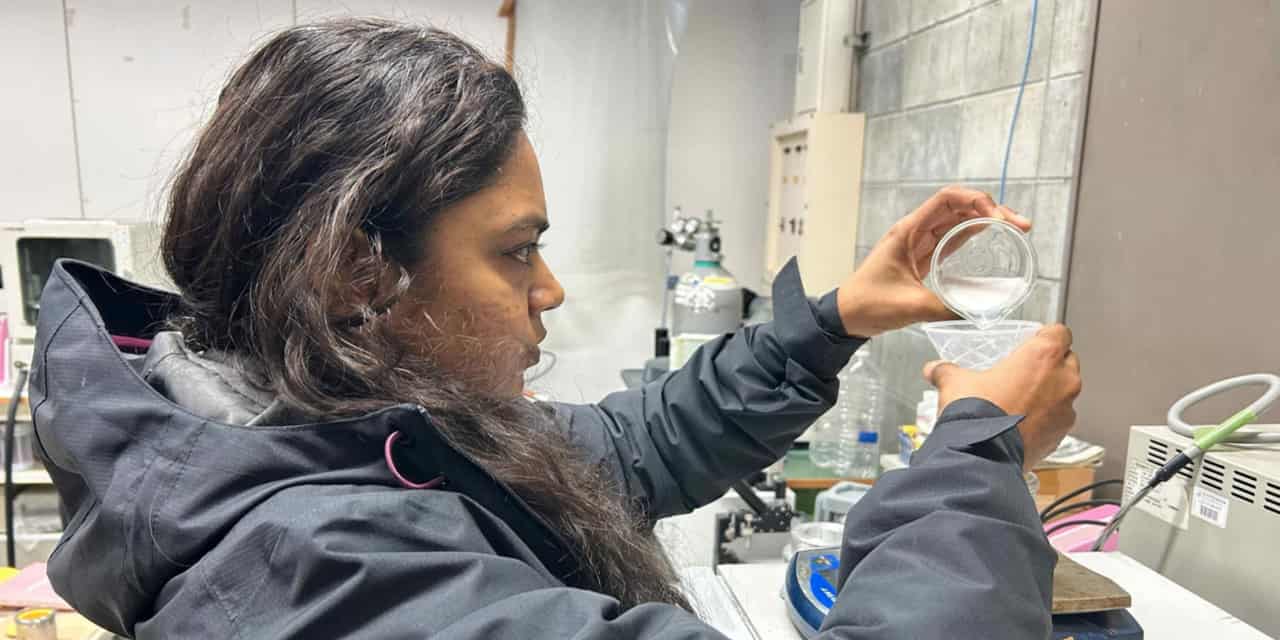
Japan attracts young Indian researchers for AI, chemistry collaboration

Created at 6 Jul · 9:26 PM1 source↑ Market-relevant
IN SHORT

Japan's Lotus Programme is seeing a surge in Indian fellowship candidates, with an estimated 1,000 for fiscal 2026, a twentyfold increase from two years prior. This initiative aims to foster international scientific collaboration, particularly in AI and chemistry.

✉Newsletter

PiQ Daily

Pick your topics. Get only what matters, on your cadence.

Key Numbers

1,000fellowship candidates for fiscal 2026
20times more candidates than two years earlier
2026fiscal year for fellowship candidates
2024year of explanatory webinars for AI-ENGAGE
2025application deadline for AI-ENGAGE

Who's Involved

KENTO FUKUI
Reporter for ScienceTokyo
Japan Science and Technology Agency (JST)
Supports Indian researchers through the Lotus Programme
National Science Foundation (NSF)
Cooperating agency for the AI-ENGAGE program
Commonwealth Scientific and Industrial Research Organization (CSIRO)
Cooperating agency for the AI-ENGAGE program
Indian Council of Agricultural Research (ICAR)
Cooperating agency for the AI-ENGAGE program
CHIBA Kazuhiro
Technical Lead for AI-ENGAGE and President of Tokyo University of Agriculture and Technology
Japan attracts young Indian researchers for AI, chemistry collaboration

↳ Why This Matters

The surge in Indian researchers participating in Japan's Lotus Programme indicates a growing international collaboration in scientific research, potentially leading to advancements in fields like AI and chemistry. The AI-ENGAGE initiative further underscores a multinational commitment to leveraging technology for agricultural innovation.

Key facts

  • Japan's Lotus Programme is experiencing a significant increase in Indian researcher participation.
  • An estimated 1,000 fellowship candidates are expected for fiscal 2026, a 20x rise from two years ago.
  • The program aims to foster international scientific collaboration between Japan and India.
  • The AI-ENGAGE initiative, a collaboration between Japan, the US, Australia, and India, focuses on AI applications in agriculture.
  • AI-ENGAGE seeks to advance innovation in agriculture through emerging technologies like AI and robotics.

Japan is seeing a significant increase in young Indian researchers applying for its Lotus Programme, with an estimated 1,000 fellowship candidates expected for fiscal 2026. This marks a twentyfold rise from two years prior, highlighting a growing collaboration between the two nations in scientific research, particularly in fields like AI and chemistry.

The Japan Science and Technology Agency (JST) manages the Lotus Programme, which supports Indian researchers staying in Japan. This initiative is part of a broader effort to build international scientific networks.

Additionally, the AI-ENGAGE program, a joint effort by Japan, the United States, Australia, and India, is fostering international collaborative research. This program, coordinated by the NSF, focuses on advancing innovations in agriculture through emerging technologies such as artificial intelligence, robotics, sensing, and communications. The call for proposals for AI-ENGAGE has closed, with awarded projects announced in December 2026.

Frequently asked questions

The Lotus Programme is an initiative by the Japan Science and Technology Agency (JST) that supports Indian researchers staying in Japan to foster international scientific collaboration.

AI-ENGAGE (Advancing Innovations for Empowering NextGen AGriculturE) is a joint research program involving Japan, the US, Australia, and India, focused on applying AI and other emerging technologies to agriculture.

The application deadline for AI-ENGAGE was January 23, 2025.

What Happens Next

01Awarded projects under AI-ENGAGE were announced in December 2026.
02The application deadline for AI-ENGAGE was January 23, 2025.

Get the newsletter.

Pick the topics you actually care about. We'll email when there's news worth your time, on the cadence you choose. Cancel any time from your account.

Cadence

How It Developed

Japan's Lotus Programme is supporting Indian researchers in Japan.
An estimated 1,000 fellowship candidates are expected for fiscal 2026.
This represents a twentyfold increase in candidates compared to two years prior.
The AI-ENGAGE program is a joint initiative by Japan, the US, Australia, and India.
AI-ENGAGE focuses on advancing innovations in agriculture through emerging technologies.
The call for proposals for AI-ENGAGE has closed, and awarded projects have been announced.

Sources

T1
Japan attracts young Indian researchers to collaborate on AI, chemistryNikkei Asia
T2
Application|AI-ENGAGEjst.go.jp

Related Stories

Japan's Tokyo Artisan Intelligence partners with Malaysia's Oppstar for AI chip production
6 Jul · 1:25 AM
Japan weighs AI for disaster relief distribution
6 Jul · 9:40 PM
Consumer product companies leverage AI for faster innovation
6 Jul · 6:08 AM
130-year-old Japan firm develops counterdrone technology
6 Jul · 10:20 PM
Station F Accelerates Europe's AI Startups with New F/ai Program
6 Jul · 1:21 PM