Key facts
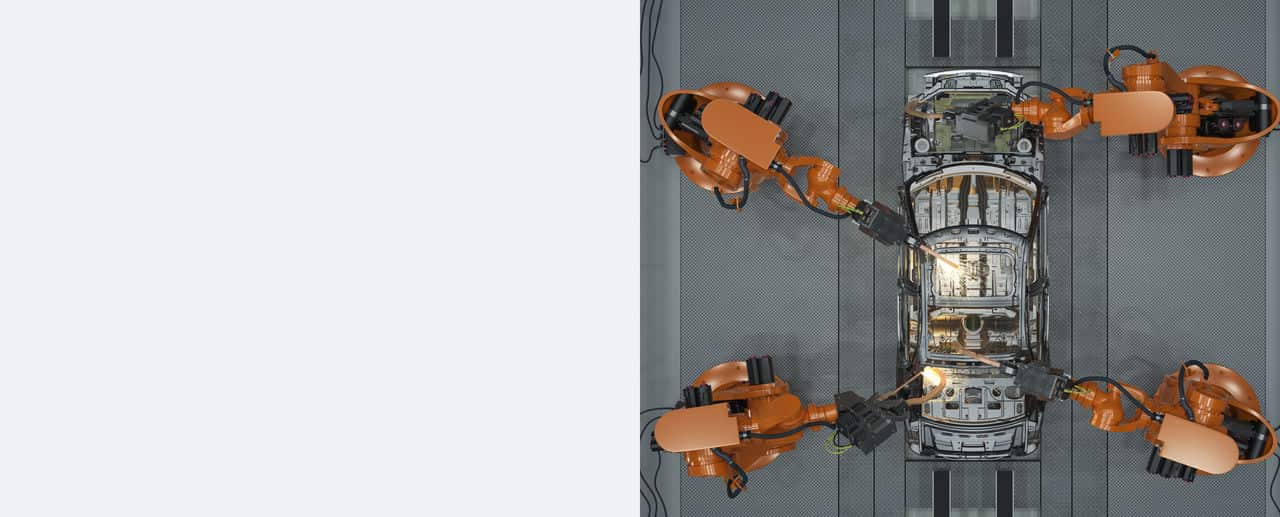
- Automakers are increasingly adopting industrial robots, with the automotive sector leading installations.
- Humanoid robots are being tested in factories by companies including Tesla, BMW, Mercedes-Benz, and Hyundai.
- Newer humanoid robots feature advanced capabilities like natural speech and the ability to perform varied tasks.
- The push for 'dark factories' with minimal human intervention is a key driver for robot adoption.
- Significant investment is flowing into humanoid robotics companies, with market projections indicating substantial growth.
- There is ongoing debate among experts regarding the efficiency and stability of different robot designs, particularly two-legged versus wheeled.
The automotive industry is significantly increasing its adoption of robots, with humanoid models emerging as the latest frontier in factory automation. Companies like Tesla, BMW, Mercedes-Benz, and Hyundai are actively experimenting with these advanced robots to address labor shortages and move towards 'dark factories,' facilities requiring minimal human presence. Figure AI, for instance, has demonstrated its humanoid robots operating in BMW factories, with some models capable of natural speech conversations thanks to OpenAI integration. Tesla is also preparing to deploy its Optimus Gen 2 robots, with Elon Musk suggesting their potential value could surpass that of other Tesla products.
These developments are fueled by a desire for greater efficiency and the ability for robots to perform a wider variety of tasks beyond repetitive actions. Experts like Jose Favilla from IBM highlight the need for robots to become more intelligent, capable of receiving direct digital messages about problems and accessing maintenance records to fix machinery. Dr. Yue Hu from the University of Waterloo points out that humanoid robots, with their legs and human-like shape, do not require factories to be retrofitted, potentially leading to smaller, more sustainable factory footprints where general-purpose humanoids can handle multiple tasks.
However, the efficiency gains promised by these advanced robots are not universally accepted. Some experts, like Geordie Rose, CEO of Sanctuary AI, argue that two-legged walking robots are inherently unstable and power-inefficient, limiting their practical use cases compared to wheeled alternatives. Despite these debates, investor enthusiasm for humanoid robotics is high, with substantial funding flowing into the sector, driven by projections of a multi-trillion dollar market over the next 25 years. Companies are investing heavily, with Hyundai planning to acquire tens of thousands of robots from Boston Dynamics, which it majority owns.