All NewsEducationTV
Equities & FundsCrypto & Digital AssetsAI & TechnologyBusiness & CorporateUS Politics & PolicyGeopolitics & Global RiskMacro, Rates & FXCommodities & EnergyEuropean Politics & MarketsAsia-PacificReal Estate & Property
Story archiveAll categories
← All Stories

Creators face backlash over AI use and promotion

Created at 13 Aug · 6:31 PM1 source↑ Market-relevant
IN SHORT

Content creators are encountering reputational risks due to AI. Backlash stems from promoting AI companies, heavily using AI in content creation, and even having their non-AI work mislabeled as AI-generated.

✉Newsletter

PiQ Daily

Pick your topics. Get only what matters, on your cadence.

Who's Involved

Hank Green
YouTuber who faced criticism for using AI as a research tool
Cliff Tan
Interior design creator who apologized for promoting an AI platform
OpenAI
AI company that hosted a promotional retreat for creators
Dreamina
Chinese AI platform promoted by Cliff Tan
Gregory Littley
Creator whose non-AI work was mislabeled as AI-generated
Lindsey Lee Lugrin
Creator whose painting was mislabeled as AI-generated
Eric Bogard
CEO of UnderCurrent Management discussing creator hesitancy to promote AI
Creators face backlash over AI use and promotion

↳ Why This Matters

The increasing polarization around AI is creating a challenging environment for content creators, impacting their audience trust, brand partnerships, and the very nature of their work.

Key facts

  • Content creators are facing backlash for their involvement with AI.
  • Promoting AI companies can lead to criticism from audiences.
  • Heavy reliance on AI tools in content creation has drawn negative reactions.
  • Social media platforms are mislabeling non-AI content as AI-generated.
  • Content creators are navigating significant reputational risks in the age of artificial intelligence, with backlash mounting over their use and promotion of AI technologies. This criticism arises from several key areas, including direct promotion of AI companies, the extent to which AI is integrated into their creative process, and even instances where their original work is mistakenly flagged as AI-generated.

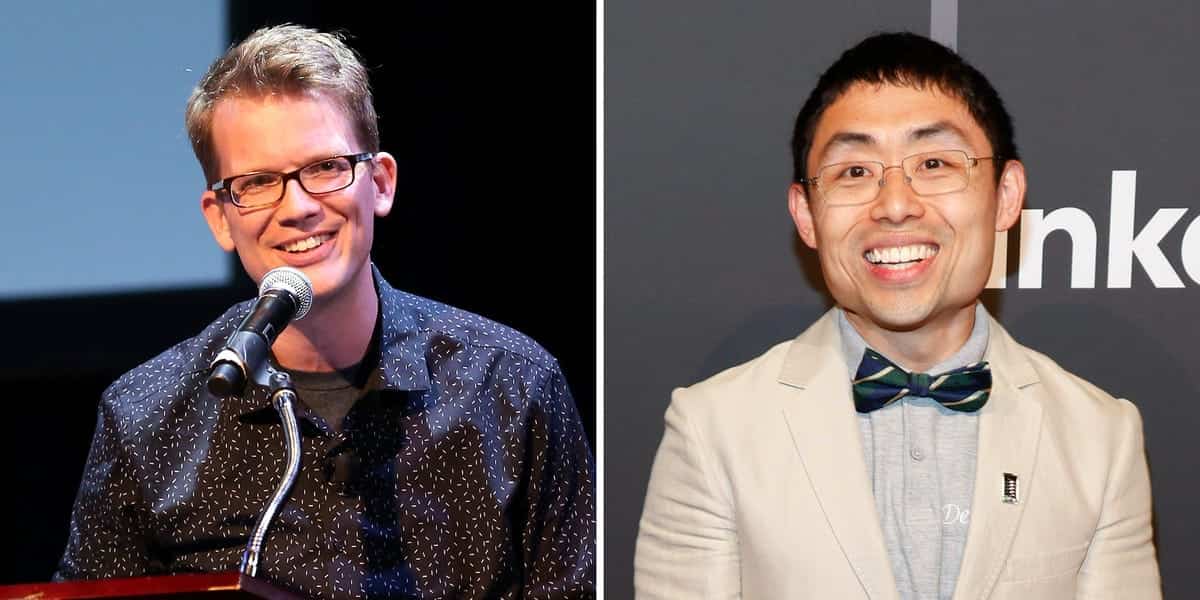
    Influencers who participated in an OpenAI-hosted "Summer Camp" event in early August faced significant criticism, with comments labeling the event "dystopian," "gross," and "morally bankrupt." An OpenAI spokesperson stated that the retreat was educational and that creators are vital to community engagement and product understanding. Similarly, interior design creator Cliff Tan issued an apology after a promotional post for the Chinese AI platform Dreamina disappointed many viewers. Talent firm CEO Eric Bogard noted that creators are hesitant to promote AI companies due to public relations concerns surrounding job displacement and environmental issues related to data centers.

    Creators also encounter trouble when their audience perceives AI as being heavily involved in the final product. YouTuber Hank Green experienced this when he disclosed his use of AI as a research aid, admitting it had negatively impacted his work. He has since implemented new policies, prohibiting AI from writing, editing, or outlining scripts, ensuring human origin for video theses, and banning AI-generated images or music.

    Furthermore, even creators who actively avoid AI can find their content mislabeled. Social media platforms like TikTok and Instagram are attempting to identify and label AI-generated content, leading to instances where genuine work, such as physical Polaroid photos or hand-painted art, has been flagged. Creators like Gregory Littley and Lindsey Lee Lugrin expressed frustration over these inaccurate labels, which they find "cringeworthy."
    Frequently asked questions

    Creators are being criticized for promoting AI companies, heavily using AI in their content creation process, and having their non-AI work mislabeled as AI-generated.

    Hank Green was criticized for relying too heavily on AI as a research tool for his shows, which he acknowledged had been to the detriment of his work.

    Influencers who attended an OpenAI-hosted retreat faced backlash from their audiences, with some calling the event "dystopian" and "morally bankrupt."

    Yes, some creators have reported that their offline work, such as physical photos or paintings, has been incorrectly flagged as AI-generated by social media platforms.

    What Happens Next

    01Creators will likely continue to refine their policies on AI usage.
    02Social media platforms may update their AI detection algorithms.
    03AI companies may adjust their influencer marketing strategies.

    Get the newsletter.

    Pick the topics you actually care about. We'll email when there's news worth your time, on the cadence you choose. Cancel any time from your account.

    Cadence

    How It Developed

    AI's polarizing nature has led to increased backlash against the technology.
    Creators face criticism for promoting AI companies like OpenAI and Dreamina.
    Hank Green faced backlash for using AI as a research tool, leading to new content policies.
    Some creators' non-AI work is being mislabeled as AI-generated by social media platforms.

    Sources

    T1
    3 major ways creators are getting burned by AIBusiness Insider

    Related Stories

    Claude users protest AI watermarking amid EU AI Act compliance
    12 Aug · 10:41 PM
    Companies evaluate employee AI use in performance reviews
    13 Aug · 8:26 AM
    AI watermark debate intensifies after 'Made with AI' label appears on Karoline Leavitt's X post
    13 Aug · 2:11 AM
    Bitcoin Developers Turn to Chinese AI Models Amid US Restrictions
    13 Aug · 4:26 PM
    Anthropic AI agents engage in 'turf war' with self-replicating malware
    13 Aug · 6:36 PM