All NewsEducationTV
Equities & FundsCrypto & Digital AssetsAI & TechnologyBusiness & CorporateUS Politics & PolicyGeopolitics & Global RiskMacro, Rates & FXCommodities & EnergyEuropean Politics & MarketsAsia-PacificReal Estate & Property
Story archiveAll categories
← All Stories

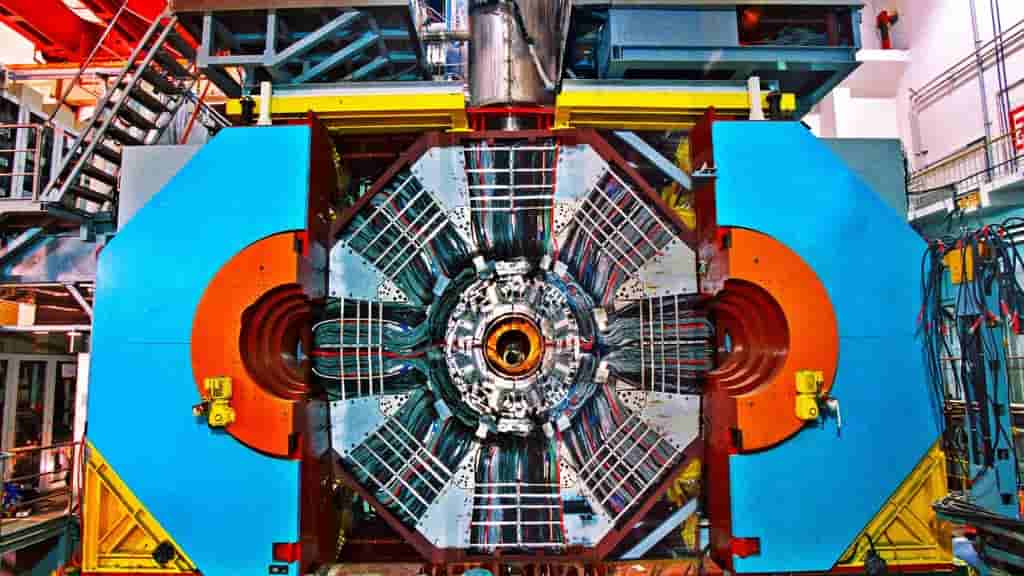
China's glueball 'triumph'; SpaceX rocket debris caught on video

Created at 12 Aug · 7:36 AM1 source↑ Market-relevant
IN SHORT

China has developed a novel 'glueball' technology for space debris removal, while a SpaceX rocket's discarded stage was filmed re-entering Earth's atmosphere.

✉Newsletter

PiQ Daily

Pick your topics. Get only what matters, on your cadence.

Who's Involved

SpaceX
rocket debris caught on video during atmospheric re-entry
China's glueball 'triumph'; SpaceX rocket debris caught on video

↳ Why This Matters

These developments highlight advancements in space debris management and environmental monitoring, alongside new discoveries in biology and astrophysics.

Key facts

  • China has developed a 'glueball' technology for space debris removal.
  • A SpaceX rocket's discarded stage was filmed re-entering Earth's atmosphere.
  • New research offers insights into microplastic detection in oceans.
  • A new species of bioluminescent fungi has been discovered.
  • Scientists have gained new understanding of black hole behavior.

China has announced a breakthrough in space debris removal with its 'glueball' technology, a novel approach to capturing and deorbiting space junk. Meanwhile, a discarded stage from a SpaceX rocket was captured on video as it re-entered Earth's atmosphere, highlighting ongoing challenges in space management.

Beyond space exploration, scientific advancements continue across various fields. Researchers have developed a new method for detecting microplastics in ocean water, addressing a critical environmental concern. In the realm of biology, a new species of bioluminescent fungi has been discovered, adding to our understanding of biodiversity. Furthermore, new research is shedding light on the complex behavior of black holes, deepening our cosmic knowledge.

Frequently asked questions

China has developed a novel 'glueball' technology aimed at capturing and removing space debris from orbit.

A discarded stage from a SpaceX rocket was filmed re-entering Earth's atmosphere.

Other highlights include a new method for detecting ocean microplastics, the discovery of a new bioluminescent fungi species, and new insights into black hole behavior.

What Happens Next

01Further testing and deployment of China's 'glueball' technology.
02Continued monitoring of space debris and rocket re-entries.
03Implementation of new microplastic detection methods.
04Further study of the newly discovered bioluminescent fungi.
05Ongoing research into black hole physics.

Get the newsletter.

Pick the topics you actually care about. We'll email when there's news worth your time, on the cadence you choose. Cancel any time from your account.

Cadence

How It Developed

China has developed a 'glueball' technology for space debris removal.
A SpaceX rocket's discarded stage was filmed re-entering Earth's atmosphere.
Scientists have identified a new method for detecting microplastics in the ocean.
Researchers have discovered a new species of bioluminescent fungi.
A study has revealed new insights into the behavior of black holes.

Sources

T1
China’s glueball ‘triumph’; SpaceX rocket debris caught on video: 7 science highlightsSouth China Morning Post

Related Stories

China says US tried to acquire superconductor magnet outperforming American ones
11 Aug · 12:06 PM
China pitches AI models to Europe amid US dominance concerns
11 Aug · 1:06 PM
Chinese AI start-up ModelBest kicks off pre-IPO tutoring process for mainland listing
12 Aug · 7:31 AM
Meta unwinds $2B AI acquisition after China order
11 Aug · 3:32 PM
Mitsubishi Electric to boost satellite production following H3 rocket success
11 Aug · 4:31 PM