Key facts
- Quantum computing uses qubits, which can exist as 0 and 1 simultaneously (superposition) and be linked (entanglement).
- Qubits are fragile and require extreme isolation, often near absolute zero temperatures, to maintain quantum properties.
- Errors in qubits are common, necessitating error correction to create reliable logical qubits.
- It currently takes thousands of physical qubits to produce a single reliable logical qubit.
- Fault-tolerant quantum computers capable of solving real-world problems are likely many years away.
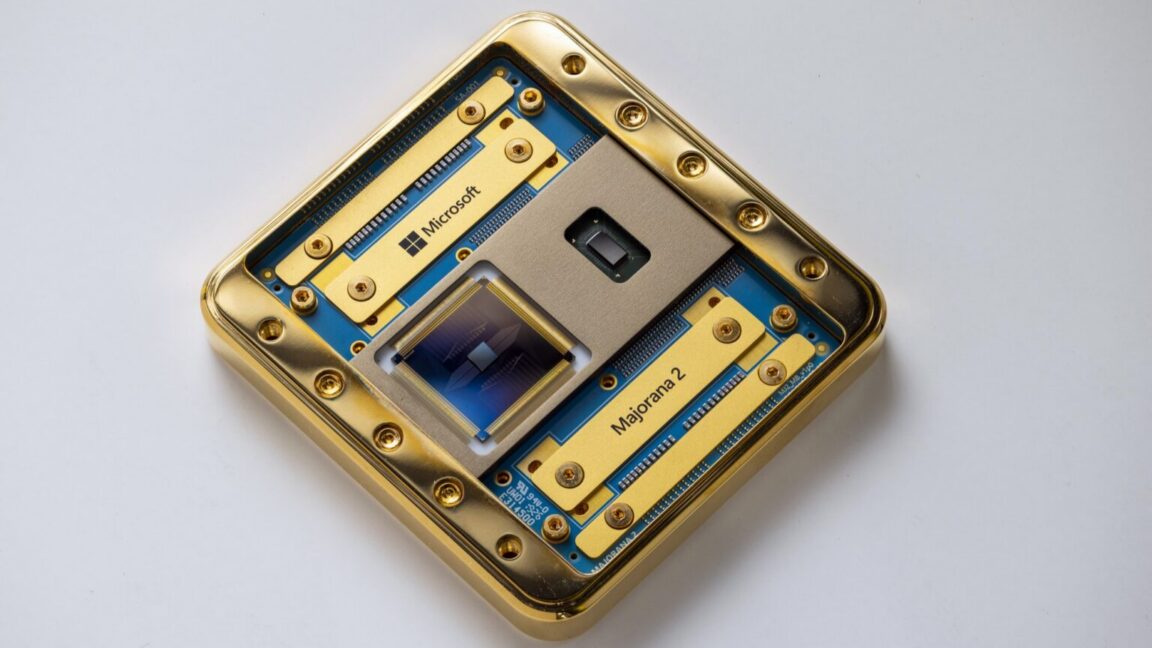
Michael Lebowitz, writing for RealInvestmentAdvice.com, explores the current state of quantum computing, distinguishing between the exciting headlines and the practical realities. He explains that while quantum computers utilize qubits with properties like superposition and entanglement to explore multiple solutions simultaneously, these qubits are extremely fragile. They require isolation at temperatures near absolute zero and are prone to errors. The industry measures progress by the ratio of logical qubits (error-corrected) to physical qubits, with current estimates suggesting that thousands of physical qubits are needed to create a single reliable logical qubit. This high ratio implies that achieving the tens of millions of physical qubits required for useful, fault-tolerant quantum computing is a significant challenge that will likely take many years to overcome. The article contrasts this with classical computing and the limitations of Moore's Law, highlighting the fundamental differences in how quantum computers process information.