Key facts
- Anthropic accounted for 54% of UK business spending on AI firms in the three months to July.
- OpenAI accounted for 27% of UK business spending on AI firms in the same period.
- In Q1, OpenAI held 42% of business AI spend versus Anthropic's 34%.
- OpenAI held 70% of AI spend in Q2 last year, compared to Anthropic's 8%.
- Over one in eight UK companies spent on AI services in Q2, up from one in twenty a year prior.
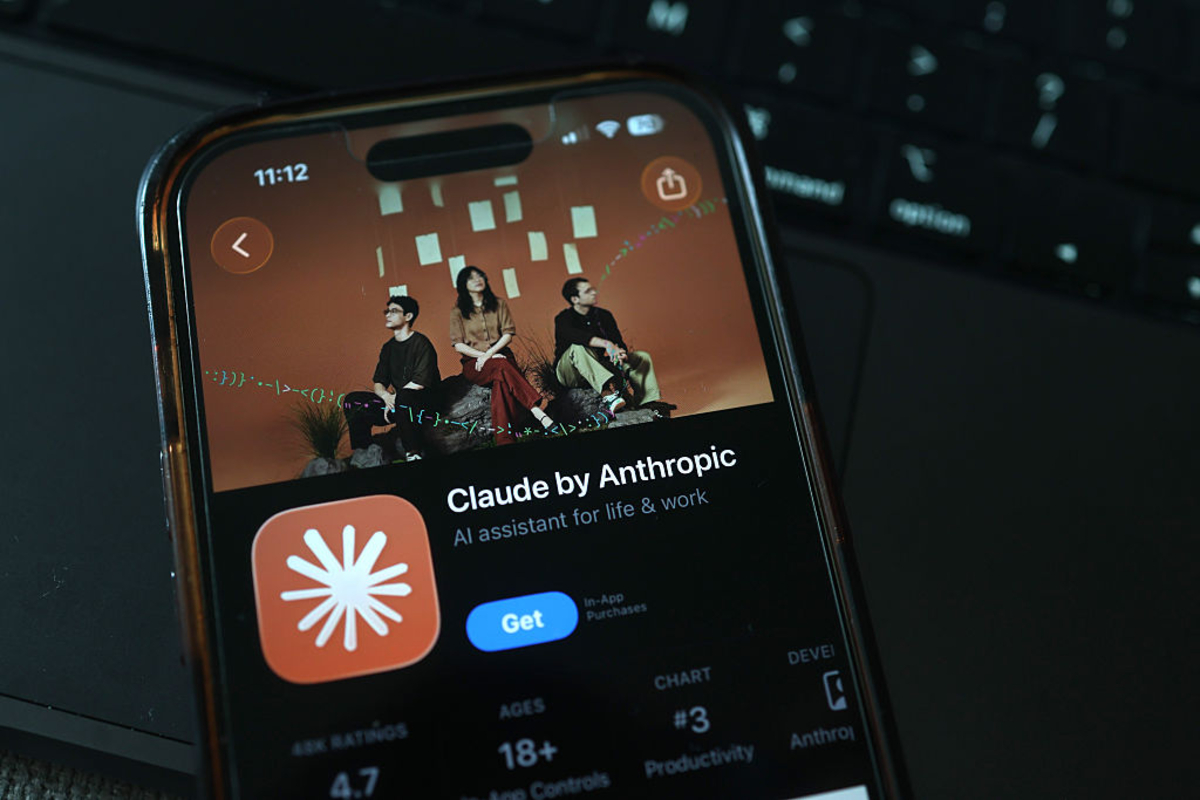
Anthropic's business subscriptions have surpassed those of OpenAI in the UK for the first time, according to fresh data from Capital on Tap, a corporate credit card company. In the three months leading up to July, Anthropic captured 54% of UK business spending on AI firms, while OpenAI accounted for 27%. This marks a significant shift from the first quarter of the year, when OpenAI led with 42% of business AI spend compared to Anthropic's 34%.
The data, which analyzed spending trends from hundreds of thousands of business customers, highlights a weakening of OpenAI's market dominance as competitors offer competitive business packages and advanced AI models. As recently as the second quarter of last year, OpenAI commanded as much as 70% of all AI company spending, with Anthropic at just 8%.
The analysis also revealed a substantial increase in AI adoption among UK businesses. In the second quarter, more than one in eight companies spent money on AI services, a notable rise from one in twenty at the beginning of the previous year. Damian Brycy, chief executive of Capital on Tap, noted the accelerating trend, suggesting adoption could triple from current levels. He also raised questions about the potential impact of price increases on adoption rates.
The average quarterly AI spend for Capital on Tap's customer base, largely comprised of small and medium-sized businesses, was £288. However, this figure was significantly influenced by top-tier customers spending over £3,000 quarterly. Spending on 'vibe coding' also saw a substantial increase, rising from 5% of AI spend at the start of last year to 16% a year later. The data excludes AI services from broader software companies like Google and Microsoft due to the difficulty in distinguishing AI-specific spending.