Key facts
- Amazon's Project Kuiper satellite constellation is facing launch delays due to technical issues with its primary launch vehicles.
- ULA's Vulcan rocket and Blue Origin's New Glenn rocket have both experienced significant problems, impacting deployment schedules.
- Europe's Ariane 6 and SpaceX's Falcon 9 remain the only reliable options for launching Kuiper satellites.
- Amazon has already deployed 398 satellites, with 396 in orbit, sufficient for initial service at mid-latitudes.
- The company has purchased over 100 launches to complete its first-generation constellation of 3,232 satellites.
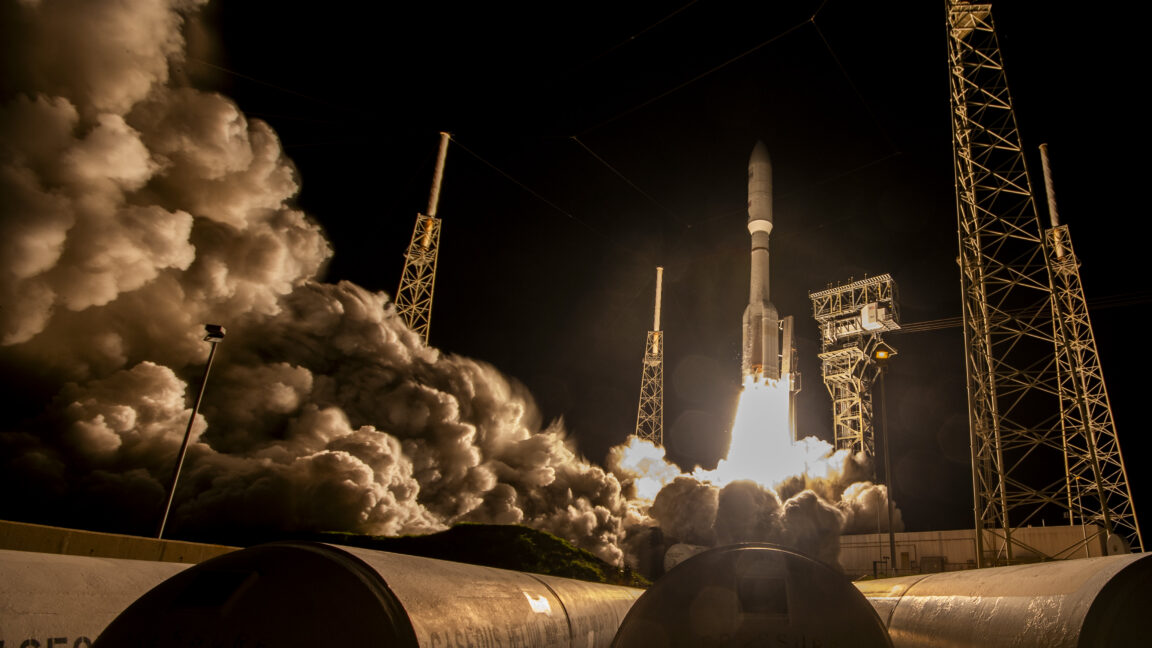
Amazon's ambitious Project Kuiper satellite internet constellation is facing significant launch delays due to ongoing issues with its primary rocket providers. While ULA's Atlas V had a perfect record launching 224 satellites, its successor, the Vulcan, has encountered solid rocket booster problems. Compounding the issue, Blue Origin's New Glenn rocket, also owned by Amazon founder Jeff Bezos, suffered a catastrophic launch pad explosion in late May.
This leaves Europe's Ariane 6 and SpaceX's Falcon 9 as the only available options for deploying Amazon's growing backlog of satellites. Amazon has reserved 38 launches on Vulcan and funded a new assembly hangar, signaling its commitment to the rocket. The company has purchased over 100 launches in total for the constellation, which aims to eventually comprise 3,232 satellites.
Despite the launch vehicle setbacks, Amazon has already deployed 398 satellites since October 2023, with 396 now in orbit. This number is considered sufficient to support initial continuous service at mid-latitudes later this year. Future missions will focus on expanding coverage and capacity, with the ultimate goal of providing global connectivity.