Key facts
- Investment is accelerating in AI infrastructure, including data centers, semiconductors, and energy.
- Defence technology is also a key investment channel, driven by increased global military spending.
- Major tech companies are expected to spend over $700 billion on AI infrastructure this year.
- AI infrastructure company Nscale has raised nearly $3.7 billion this year.
- Defence contractors saw record venture capital funding of $4.1 billion this year, with M&A up 56%.
Investment is rapidly flowing into AI infrastructure and defence technologies, according to new research from law firm A&O Shearman. The demand is driven by the need for compute power, data centers, semiconductors, and energy to support artificial intelligence, alongside growing government interest in military applications.
Major technology companies like Amazon, Microsoft, Google, and Meta are expected to collectively invest over $700 billion in AI infrastructure this year. This expansion is also prompting the UK to compete for data center capacity. London-based AI infrastructure firm Nscale has already secured nearly $3.7 billion in funding this year to grow its network of AI data centers.
However, the rapid growth is straining the UK's electricity network. Ofgem, the energy regulator, has proposed new fees and stricter rules for large data centers seeking grid connections, following a significant increase in capacity applications. Matt Evans of techUK acknowledged the need to filter speculative projects but cautioned that the proposed fees should not deter genuine investment, emphasizing the importance of boosting sovereign compute capacity.
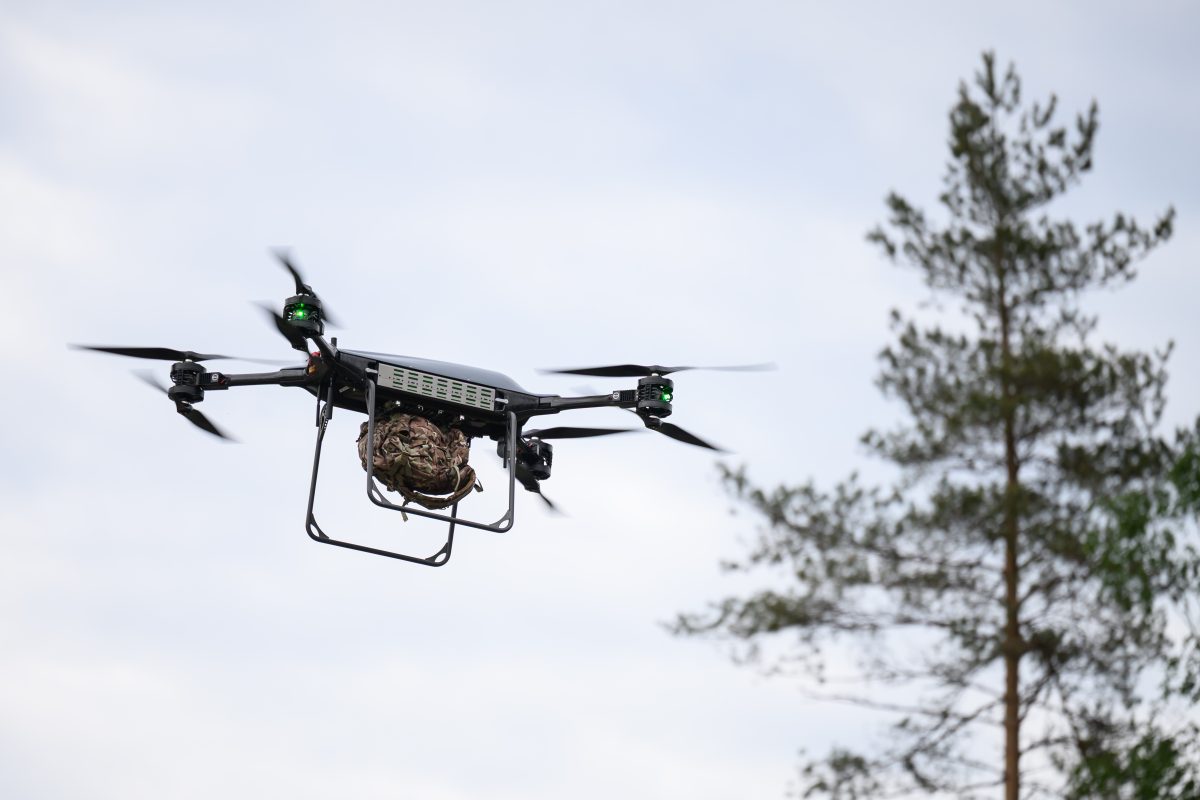
Investment in defence technology is also accelerating as global governments increase military spending and prioritize AI and autonomous systems. This year has seen defence contractors such as BAE Systems, Lockheed Martin, and Airbus participate in a record $4.1 billion in venture capital funding rounds, with defence mergers and acquisitions rising by 56% in the first half of 2026. Lockheed Martin has committed at least $100 million to UK and European defence tech startups, while Airbus has backed a new €500 million defence fund. The UK government is also allocating billions to drones, AI, and autonomous systems under its Defence Investment Plan. BAE Systems recently raised its earnings and cash flow guidance, reflecting sustained demand.
In the software sector, AI is prompting a re-evaluation of company valuations. Buyers are shifting focus from recurring subscription revenues alone to companies with proprietary data, deeply embedded products, and high switching costs that are resilient to AI disruption. Software businesses that leverage AI to enhance their offerings, rather than compete against it, are expected to attract the most investor interest.