All NewsEducationTV
Equities & FundsCrypto & Digital AssetsAI & TechnologyBusiness & CorporateUS Politics & PolicyGeopolitics & Global RiskMacro, Rates & FXCommodities & EnergyEuropean Politics & MarketsAsia-PacificReal Estate & Property
Story archiveAll categories
← All Stories

Google, Meta Weigh Selling AI Compute vs. Internal Use

Created at 30 Jul · 1:21 PM1 source↑ Market-relevant
IN SHORT

Tech giants like Google and Meta face a dilemma over how much AI compute power to sell to customers versus retaining for internal use. Both companies are investing heavily in infrastructure, leading to significant drops in cash flow, and are exploring strategies to balance immediate revenue with long-term AI development.

✉Newsletter

PiQ Daily

Pick your topics. Get only what matters, on your cadence.

Key Numbers

91%Meta's cash flow plunge year-over-year

Who's Involved

Mark Zuckerberg
Meta CEO exploring compute sales and internal use balance
Meta
Investing heavily in AI compute infrastructure
Google
Increasing AI compute investment and developing TPUs
Sundar Pichai
Google CEO prioritizing compute for AGI development
Amy Hood
Microsoft CFO on customer demand exceeding capacity
Mark Shmulik
Bernstein analyst on competitive compute landscape
Google, Meta Weigh Selling AI Compute vs. Internal Use

↳ Why This Matters

The decisions made by tech giants like Google and Meta on how to allocate their AI compute resources will shape the competitive landscape of the AI industry, influencing the pace of innovation, the profitability of cloud services, and the availability of essential computing power for businesses and developers.

Key facts

  • Meta and Google are increasing investments in AI compute infrastructure.
  • Both companies are experiencing significant impacts on their cash flow due to these investments.
  • Meta plans to develop a business selling compute power to external customers.
  • Google is acquiring third-party compute and developing its own Tensor Processing Units (TPUs).
  • Executives are weighing the trade-off between monetizing compute power now and preserving it for future AI development.

Tech giants like Meta and Google are grappling with a strategic dilemma regarding their substantial investments in artificial intelligence compute power. The core question is how much processing capacity should be retained for internal AI model training and core business operations versus how much should be sold to external customers to offset soaring costs.

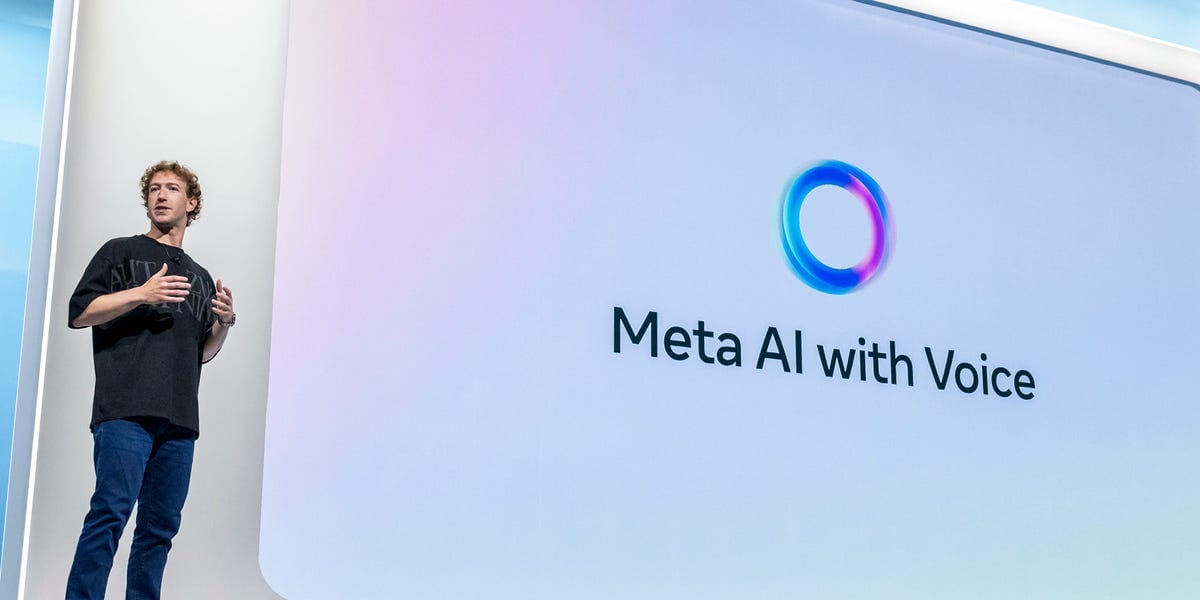
Meta CEO Mark Zuckerberg indicated on the company's Q2 earnings call that while a significant portion of its compute will be dedicated to internal AI development, Meta also anticipates growing a substantial business serving large external clients. He cautioned against prioritizing short-term profits by selling all available compute, suggesting that future AI advancements will compound its value.

This strategic balancing act comes as both companies, along with others like Microsoft, are aggressively expanding their compute infrastructure to meet the burgeoning demand driven by the AI boom. This intense build-out has led to notable financial impacts: Google's cash flow turned negative for the first time in its history during Q2, and Meta's cash flow plummeted by 91% compared to the previous year. Microsoft, meanwhile, noted that customer demand for its cloud services continues to outstrip available capacity.

Google is pursuing a dual strategy of purchasing third-party compute capacity to meet immediate customer needs while simultaneously developing its own Tensor Processing Units (TPUs) for internal use and with partners. CEO Sundar Pichai emphasized that the company's top priority is allocating sufficient compute for frontier AGI development, which is foundational to its operations. Analysts suggest that failing to adequately serve enterprise clients could push them towards competitors like Amazon or Microsoft, highlighting the competitive pressure to balance internal needs with external market opportunities.

Frequently asked questions

AI compute refers to the processing power, typically from data centers, required to train and run artificial intelligence models and applications.

The rapid advancement and widespread adoption of AI technologies, particularly large language models, require immense computational resources for training and inference, driving up demand.

They must decide whether to sell their excess compute power to customers for immediate revenue or reserve it for internal AI development to maintain a competitive edge and build future assets.

TPUs are Tensor Processing Units, custom-designed chips developed by Google specifically for accelerating machine learning workloads.

What Happens Next

01Meta and Google will continue to monitor customer demand and internal compute needs.
02Further financial reports will reveal the impact of compute investment strategies.
03Competitors may adjust their strategies based on Meta and Google's compute allocation decisions.

Get the newsletter.

Pick the topics you actually care about. We'll email when there's news worth your time, on the cadence you choose. Cancel any time from your account.

Cadence

How It Developed

Tech giants are aggressively building compute power for AI.
Meta and Google slightly raised capital expenditure forecasts for the year.
Google's cash flow turned negative in Q2 for the first time.
Meta's cash flow plunged 91% year-over-year.
Mark Zuckerberg stated Meta plans to grow a large business serving external customers with compute.
Zuckerberg cautioned against selling all compute for short-term profit.
Google is buying third-party compute and building its own TPUs.
Google CEO Sundar Pichai emphasized prioritizing compute for AGI development.

Sources

T1
Sell it or keep it? Google and Meta's AI compute quandaryBusiness Insider

Related Stories

Meta's AI Investments Consume Nearly All Free Cash Flow
29 Jul · 11:31 PM
Microsoft AI drives record profit; Meta's spending raises investor concerns
30 Jul · 7:17 AM
Meta narrows 2026 capex forecast to $130B-$145B amid AI buildout
29 Jul · 8:07 PM
Microsoft logs $3.2B gain from Anthropic, writes down OpenAI investment
29 Jul · 10:56 PM
AI Companies Destroying Millions of Books for Training Data
29 Jul · 4:46 PM