All NewsEducationTV
Equities & FundsCrypto & Digital AssetsAI & TechnologyBusiness & CorporateUS Politics & PolicyGeopolitics & Global RiskMacro, Rates & FXCommodities & EnergyEuropean Politics & MarketsAsia-PacificReal Estate & Property
Story archiveAll categories
← All Stories

AI image generators can create realistic deepfakes, raising safety concerns

Created at 3 Aug · 11:06 AM1 source↑ Market-relevant
IN SHORT

Advanced AI image generation tools can produce highly realistic deepfakes, posing risks related to disinformation and safety. The technology's rapid development outpaces current regulatory frameworks, leading to concerns about its potential misuse.

✉Newsletter

PiQ Daily

Pick your topics. Get only what matters, on your cadence.

Key Numbers

1900sAcetylene lamps introduced for early cars
1980s, 1990s, early 2000sPeriod of common halogen reflector housings

Who's Involved

IIHS
Provided credit for headlight images
Pavel Babic
Provided Getty Images for acetylene headlight
Loop Images/Universal Images Group via Getty Images
Provided credit for halogen bulb image
AI image generators can create realistic deepfakes, raising safety concerns

↳ Why This Matters

The increasing intensity and color temperature of modern headlights create a safety hazard for drivers, pedestrians, and cyclists, particularly in lower-light conditions or for occupants of smaller vehicles. The parallel development of AI image generation raises concerns about the spread of misinformation and the potential for malicious use of realistic synthetic media.

Key facts

  • Modern automotive headlights are significantly brighter and whiter than older technologies.
  • The shift to LEDs and HID projectors allows for more concentrated and intense light.
  • Cooler color temperatures in modern headlights are perceived as sharper but cause more glare.
  • Higher headlight placement on SUVs and trucks exacerbates glare issues for smaller vehicles.
  • AI image generation tools are capable of producing realistic deepfakes.
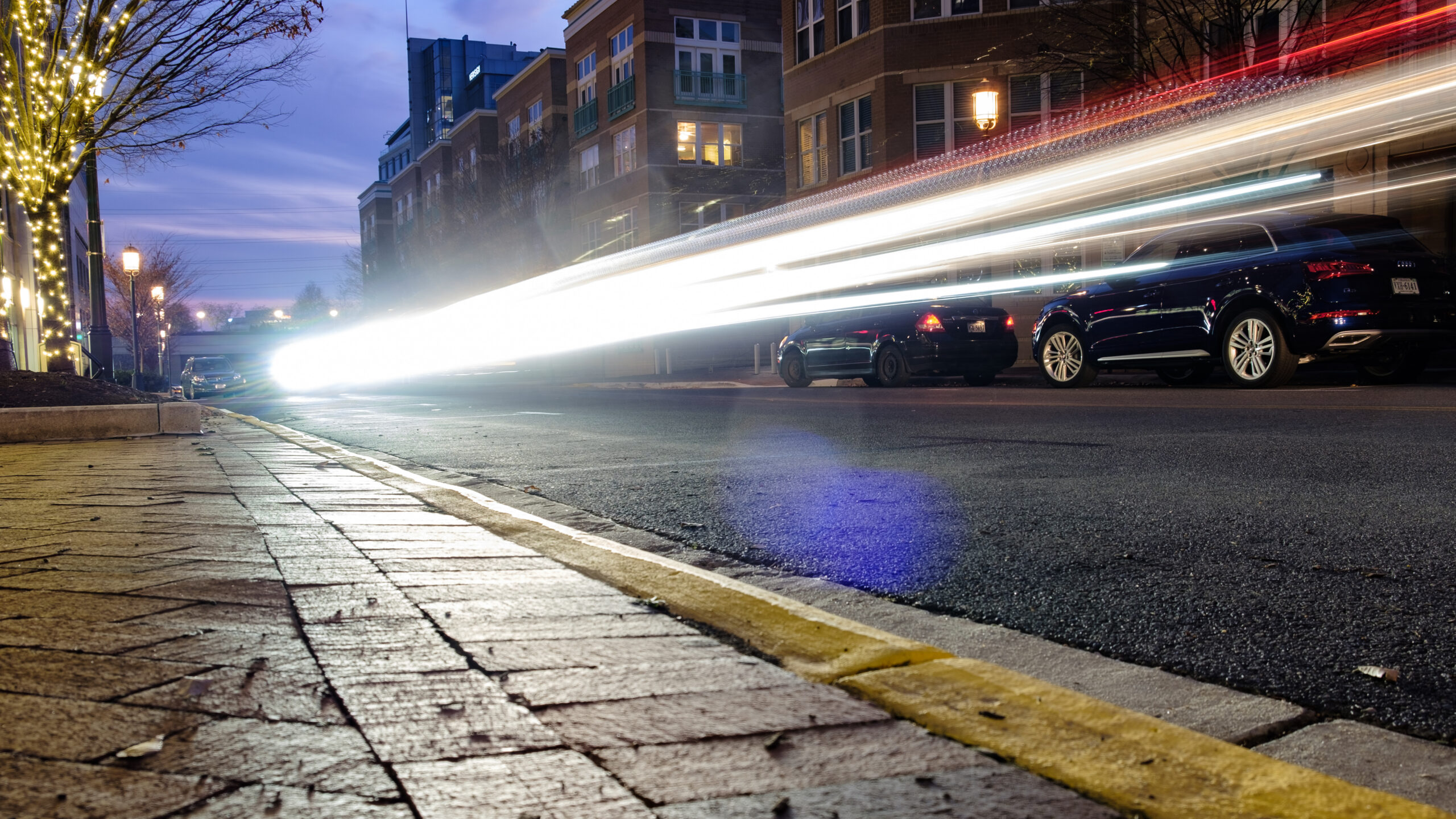
  • Modern automotive headlights have become significantly brighter and whiter, leading to increased glare for other drivers. This evolution stems from a long history of improving visibility, from early oil lanterns to today's LED and HID projector systems. While these advancements enhance a driver's ability to see the road, the concentrated, cool-white light can be intensely blinding, especially from higher-mounted lights on SUVs and trucks. The technology's progression, driven by efficiency and design, has created a trade-off between driver visibility and the comfort and safety of others on the road. Concurrently, advancements in AI image generation technology have raised concerns about the creation of realistic deepfakes, posing risks of disinformation and misuse.
    Frequently asked questions

    Modern headlights use LEDs and HID projectors, which are more efficient and can emit more light from a smaller package. Automakers also favor cooler, white light temperatures because they are perceived as sharper at night.

    The trade-off is increased glare for oncoming drivers and pedestrians. The intense, cool-white light can be uncomfortable and even blinding, especially when headlights are mounted higher on vehicles like SUVs and trucks.

    Regulations initially focused on basic visibility. As speeds increased, they evolved to include technical standards for beam patterns, alignment, and photometric rules to balance driver visibility with reduced glare for others.

    AI image generators can create highly realistic deepfakes, which raises concerns about disinformation, manipulation, and the potential for misuse in various contexts.

    What Happens Next

    01Continued development of adaptive lighting systems.
    02Ongoing debate and potential regulatory responses to AI-generated deepfakes.

    Get the newsletter.

    Pick the topics you actually care about. We'll email when there's news worth your time, on the cadence you choose. Cancel any time from your account.

    Cadence

    How It Developed

    Early automotive lighting used oil lanterns and acetylene lamps.
    Headlight regulations evolved from basic visibility requirements to technical standards.
    Modern headlights use LEDs and HID projectors, offering brighter and whiter light.
    Newer lighting systems are more concentrated and use cooler color temperatures.
    Higher-mounted headlights on SUVs and trucks can cause glare for smaller vehicles.
    AI image generators can create realistic deepfakes, raising safety concerns.

    Sources

    T1
    How headlights got brighter, whiter, and more blinding after darkvar abtest_2161442 = new ABTest(2161442, 'impression');Ars Technica

    Related Stories

    Robotaxi industry navigates federal acceleration and local braking
    2 Aug · 4:26 PM
    AI demand fuels chip shortage, driving up consumer prices
    3 Aug · 8:46 AM
    Samsung bans smart TV apps sharing user internet connections
    3 Aug · 12:26 PM
    Google Pulls AI Image Tool From Earth After Disinformation Fears
    2 Aug · 7:36 PM
    AI coding tools challenge Nvidia's CUDA software dominance
    3 Aug · 9:16 AM