HomeEverythingEducationTV
Equities & FundsCrypto & Digital AssetsAI & TechnologyBusiness & CorporateUS Politics & PolicyGeopolitics & Global RiskMacro, Rates & FXCommodities & EnergyEuropean Politics & MarketsAsia-PacificReal Estate & Property
Story archiveAll categories
← All Stories

AI chip demand drives 'chipflation,' curbing electronics sales

Created at 13 Jul · 10:41 PM1 source↑ Market-relevant
IN SHORT

Surging memory chip prices, fueled by massive AI investment, are increasing consumer electronics costs and leading to significant declines in device shipments. This 'chipflation' trend is impacting major tech companies and global markets.

✉Newsletter

PiQ Daily

Pick your topics. Get only what matters, on your cadence.

Key Numbers

6xmemory chip price increase
200munit decline in smartphone, computer sales
17xintegrated circuit price rise in one year
$22Bmemory chip supply secured by Micron customers
4%US inflation rate
2.6%US dollar monthly gain

Who's Involved

Apple
consumer electronics company increasing prices due to chip costs
Micron Technology, Inc.
reported blowout results amid tightening memory chip markets
BlackRock Tactical Opportunities Fund
maintains short positions on global government bonds due to inflation risks
Federal Reserve
considering interest rate hikes amid rising inflation
AI chip demand drives 'chipflation,' curbing electronics sales

↳ Why This Matters

The surge in AI-driven memory chip costs, or 'chipflation,' is increasing consumer electronics prices, reducing sales volumes, and contributing to global inflation, impacting both consumer spending and investment strategies.

Key facts

  • Memory chip prices have surged sixfold, driving up consumer electronics costs.
  • AI investment and demand for data centers are key drivers of 'chipflation'.
  • Shipments of smartphones and computers are projected to decrease by 200 million units.
  • Apple is increasing prices for iPads and MacBooks due to rising component costs.
  • Developed Asian economies involved in chip production are seeing improved trade competitiveness.

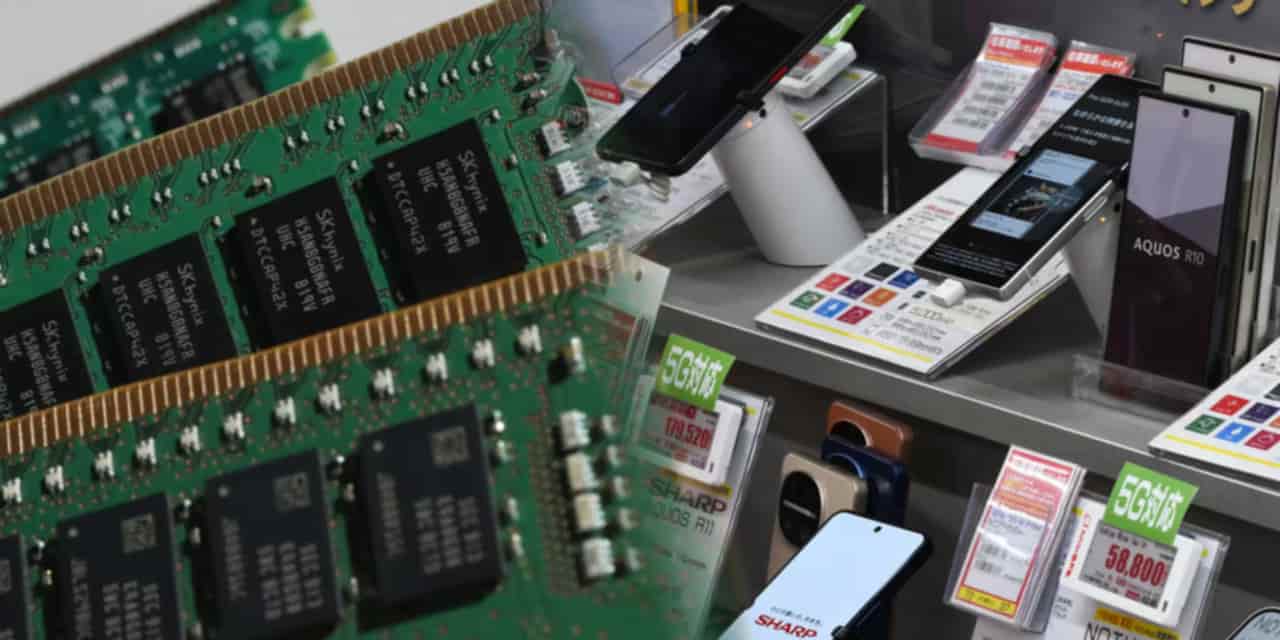
Surging memory chip prices, driven by robust artificial intelligence investment, are leading to increased consumer electronics costs and a significant drop in device shipments. This phenomenon, termed 'chipflation,' is impacting global markets and prompting price adjustments from major tech companies.

Memory chips have become a critical strategic asset in the AI era, with demand from AI data centers and increased defense spending fueling price hikes. This trend contrasts sharply with the historical deflationary trajectory of microelectronics, as Moore's Law's impact on price declines has slowed. Prices for DRAM chips have reportedly risen 17-fold over the past year.

Developed Asian economies, particularly Japan, South Korea, and Taiwan, which are central to semiconductor production, are benefiting from improved terms-of-trade dynamics. This supports corporate earnings and debt sustainability in the region.

Apple has announced plans to raise prices for iPads and MacBooks, citing its inability to absorb the escalating memory and storage costs. Micron Technology's strong financial results, with customers committing $22 billion for future memory chip supply, underscore the tightening market conditions and rising pricing power.

The broader economic implications include upside risks to global goods inflation. In response, some investment funds are maintaining short positions on government bonds. The U.S. dollar has strengthened significantly, while the Japanese yen has weakened to a 40-year low amid intervention concerns. South Korea's KOSPI index, a key indicator for AI-related stocks, has seen a substantial decline.

Frequently asked questions

'Chipflation' refers to the rise in prices of semiconductors and the electronic devices that use them, driven primarily by increased demand for memory chips due to booming artificial intelligence investment.

Developed Asian economies, particularly Japan, South Korea, and Taiwan, which are dominant producers of advanced and commoditized memory chips, are at the epicenter of this boom.

Apple plans to increase prices for its iPads and MacBooks, as it can no longer absorb the surging memory and storage costs driven by the AI data center boom.

Chipflation poses upside risks to global goods price inflation and has led to significant declines in consumer electronics shipments. It also influences currency movements and central bank policies.

What Happens Next

01Continued monitoring of AI capital expenditures and their impact on microchip demand.
02Analysis of central bank responses to rising inflation.
03Tracking potential price adjustments by other consumer electronics companies.

Get the newsletter.

Pick the topics you actually care about. We'll email when there's news worth your time, on the cadence you choose. Cancel any time from your account.

Cadence

How It Developed

Memory chip prices have risen sixfold, impacting consumer electronics.
Forecasts predict continued price increases for memory chips and related devices.
Shipments of smartphones and computers are expected to fall by 200 million units.
AI investment is a primary driver of increased demand for memory chips.
Memory chips are now considered strategic assets in the AI era.
Developed Asian economies like Japan, South Korea, and Taiwan benefit from improved trade dynamics due to chip production.
The current boom in AI data centers and remilitarization is driving demand-driven microchip price increases.
Integrated circuit prices have risen 17-fold over the past year, a significant departure from historical deflationary trends.

Sources

T1
AI-driven 'chipflation' puts chill on electronics purchasesNikkei Asia
T2
Macro Implications of Chipflation | Blackrockblackrock.com
T2
Chipflation: How Surging AI Memory Costs Impact Global Marketsglobalbankingandfinance.com

Related Stories

Global smartphone shipments hit 13-year low in Q2 amid memory chip crunch
13 Jul · 12:51 PM
Indian firms eye Chinese LLMs amid cost concerns
13 Jul · 2:56 AM
China develops optical chip technology for AI, claims 100x speed increase
13 Jul · 6:06 AM
Intel invests $5.7 billion in Ireland for AI chip production
13 Jul · 12:43 PM
Samsung preparing to manufacture Tesla's AI5 chip
13 Jul · 5:41 AM