Key facts
- The U.S. State Department plans to close five foreign missions.
- Consulates in Nagoya, Japan; Medan, Indonesia; and Winnipeg, Canada will be closed.
- These closures are part of an effort to streamline diplomatic operations.
- The closures are not tied to a specific geopolitical event.
- The U.S. State Department will make a visa bond program permanent.
- The program applies to applicants from approximately 50 countries.
- Most countries affected by the visa bond program are in Africa.
- The visa bond program requires bonds of up to $20,000 for business and tourism visas.
- The program aims to reduce visa overstays.
- Advocates argue the program will deter legitimate travel.
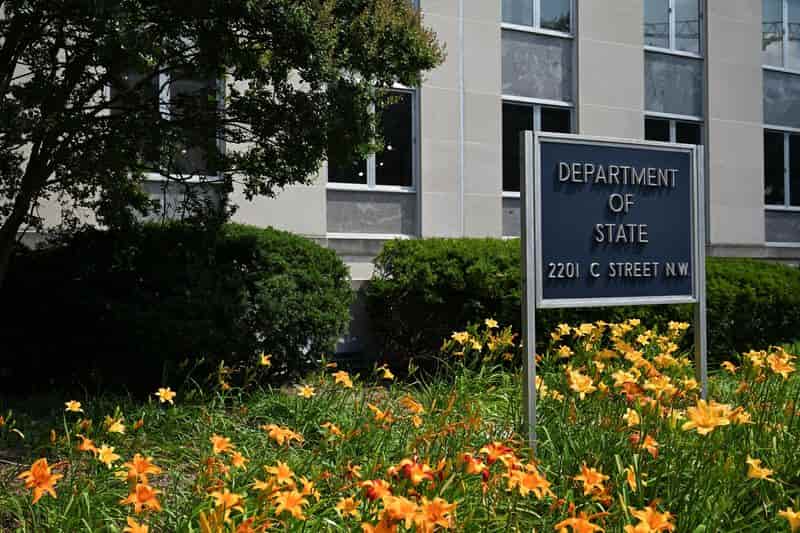
The U.S. State Department has informed Congress of its intention to close five foreign missions as part of an effort to streamline diplomatic operations. The affected posts include consulates in Nagoya, Japan; Medan, Indonesia; and Winnipeg, Canada. These closures are not attributed to any specific geopolitical event but rather to a strategic review of diplomatic functions. The department aims to optimize its resources and operational efficiency through these consolidations.
In a separate but related development concerning diplomatic policy, the State Department is set to make a visa bond program permanent. This program, initially piloted, will now apply to visa applicants from around 50 countries, with a majority of these nations located in Africa. Under the permanent program, individuals applying for business and tourism visas will be required to post a refundable bond. The bond amounts can reach up to $20,000, depending on the applicant and circumstances. Officials assert that the primary objective of this policy is to reduce the rate of visa overstays, ensuring that individuals adhere to the terms of their visas.
However, the implementation of the visa bond program has drawn criticism from various advocacy groups. These organizations argue that the requirement to post substantial financial bonds could act as a significant deterrent for legitimate travelers, potentially hindering tourism and business exchanges. They contend that the policy may disproportionately affect individuals from developing nations and create unnecessary barriers to entry into the United States. The State Department maintains that the program is a necessary tool for managing immigration and ensuring compliance with visa regulations.