US Senators Introduce Resolution to End Trump's War with Iran | PiQ Markets
3 storiesUS Politics & PolicyWhite House & presidential decisions / executive ordersUS Congress: House of Representatives & SenateDonald Trump policies & legal proceedings
US Senators Introduce Resolution to End Trump's War with Iran
window 24h
IN SHORT
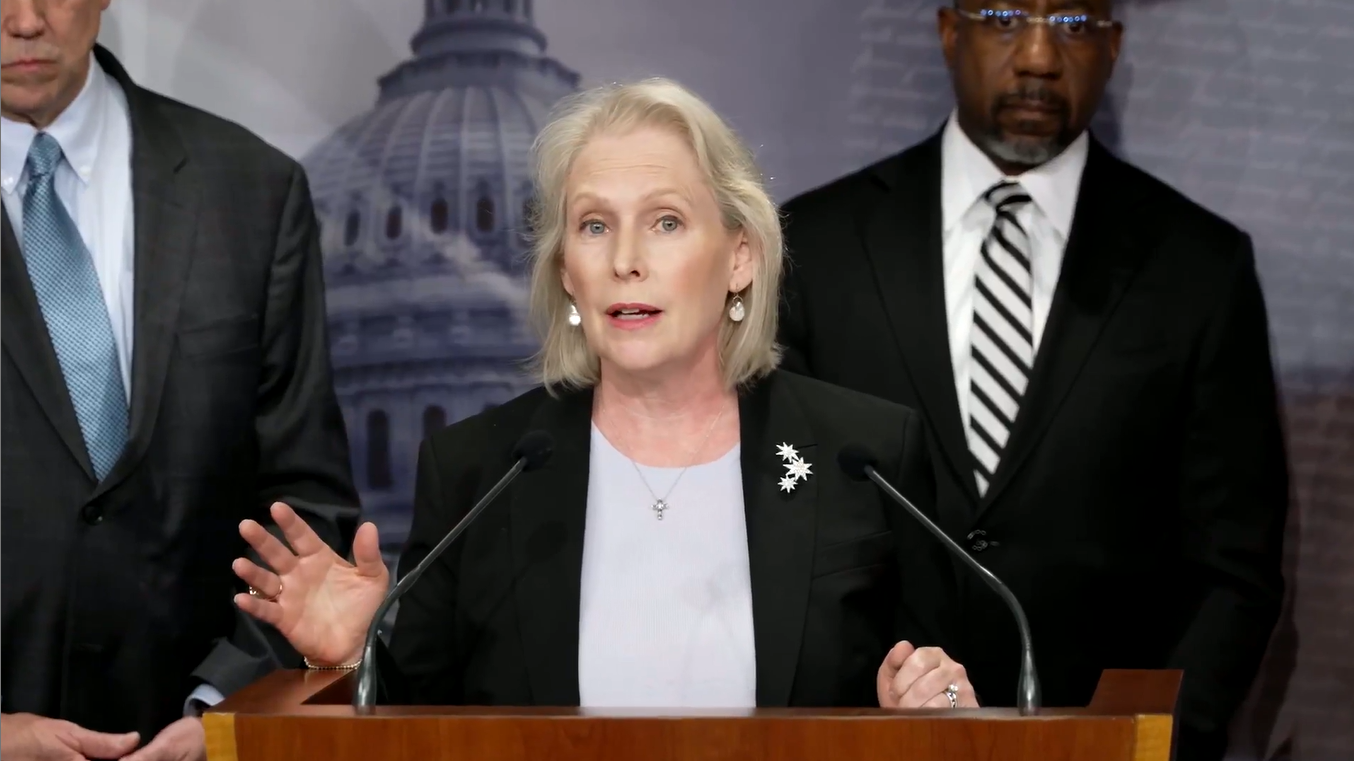
U.S. Senators have introduced a War Powers Resolution to end President Trump's military engagement with Iran, citing illegal actions, lost lives, and economic detriments. Simultaneously, the Senate overwhelmingly approved a sanctions bill targeting Russia and Iran, which now moves to the House. President Trump also called for a windfall tax on oil companies, arguing they are excessively profiting from the Iran conflict and contributing to higher fuel costs for families.
✉Newsletter
PiQ Daily
Pick your topics. Get only what matters, on your cadence.
Key Numbers
86-11vote count for Russia-Iran sanctions bill
Who's Involved
President Trump
U.S. President calling for windfall tax and involved in Iran conflict
U.S. Senators
introducing resolution to end military engagement with Iran
Lindsey O Graham
Senator after whom sanctions bill is named
House of Representatives
chamber receiving Russia-Iran sanctions bill
Environmentalists
advocating for windfall tax on oil profits
1 / 2
Key facts
U.S. Senators introduced a War Powers Resolution to end military engagement with Iran.
Senators cite lost American lives as a reason for the resolution.
Increased gas and fertilizer prices are cited as detriments of the Iran conflict.
Depleted military stockpiles are mentioned as a consequence of the conflict.
The Senate overwhelmingly approved a sanctions bill targeting Russia and Iran.
The sanctions bill passed the Senate with an 86-11 vote.
The bill includes tariffs on countries purchasing Russian energy.
The legislation is named the Lindsey O Graham Sanctioning Russia Act.
President Trump called for a windfall tax on oil profits.
Oil companies are accused of excessive profits from the Iran war.
Environmentalists argue President Trump's policies benefited oil corporations.
Higher fuel costs for American families are linked to oil company profits.
A bipartisan group of U.S. Senators has introduced a War Powers Resolution seeking to terminate President Trump's military engagement with Iran. The senators contend that the ongoing conflict is illegal, unconstitutional, and harmful to national security, pointing to lost American lives, increased gas and fertilizer prices, and depleted military stockpiles as evidence of its detrimental effects. This legislative move aims to assert congressional authority over the use of military force.
In parallel, the U.S. Senate has advanced a significant sanctions bill targeting both Russia and Iran. The legislation, renamed the Lindsey O Graham Sanctioning Russia Act, passed with overwhelming bipartisan support by a vote of 86-11. It includes provisions for tariffs on nations that purchase Russian energy resources. The bill's progression to the House of Representatives marks a notable step in the U.S. legislative response to geopolitical tensions involving Russia and Iran.
Adding another dimension to the economic discourse surrounding the Iran conflict, President Trump has called for a windfall tax on oil profits. He asserts that oil companies are experiencing excessive profits directly linked to the Iran war. Environmental advocates support this call, arguing that President Trump's policies have inadvertently benefited these corporations, leading to increased fuel costs that burden American families. This suggests a growing focus on the economic ramifications of the conflict and corporate profiteering.
↳ Why This Matters
A bipartisan group of U.S. Senators has introduced a War Powers Resolution seeking to terminate President Trump's military engagement with Iran. The senators contend that the ongoing conflict is illegal, unconstitutional, and harmful to national security, pointing to lost American lives, increased gas and fertilizer prices, and depleted military stockpiles as evidence of its detrimental effects. This legislative move aims to assert congressional authority over the use of military force.
Frequently asked questions
A War Powers Resolution is a legislative measure that allows Congress to force a vote on whether to end U.S. military hostilities. It is a privileged resolution, meaning it can be brought to the Senate floor for a vote relatively quickly.
Senators are introducing the resolution to end President Trump's war with Iran, citing concerns about lost American lives, economic impacts like increased gas and fertilizer prices, depleted military stockpiles, and the alleged illegality and unconstitutionality of the war.
Yes, Senator Hickenlooper has voted 13 times to end the Iran War, and a concurrent resolution on Iran war powers has already passed both chambers of Congress.
What Happens Next
01The Senate may consider Hickenlooper's legislation next month.
02War Powers Resolutions can be brought to the Senate floor for a vote ten days after filing.
Get the newsletter.
Pick the topics you actually care about. We'll email when there's news worth your time, on the cadence you choose. Cancel any time from your account.