Key facts
- The U.S. Senate is debating rules for stablecoin yield offerings.
- This debate could jeopardize the Digital Asset Market Clarity Act.
- Traditional banks are lobbying against higher stablecoin yields.
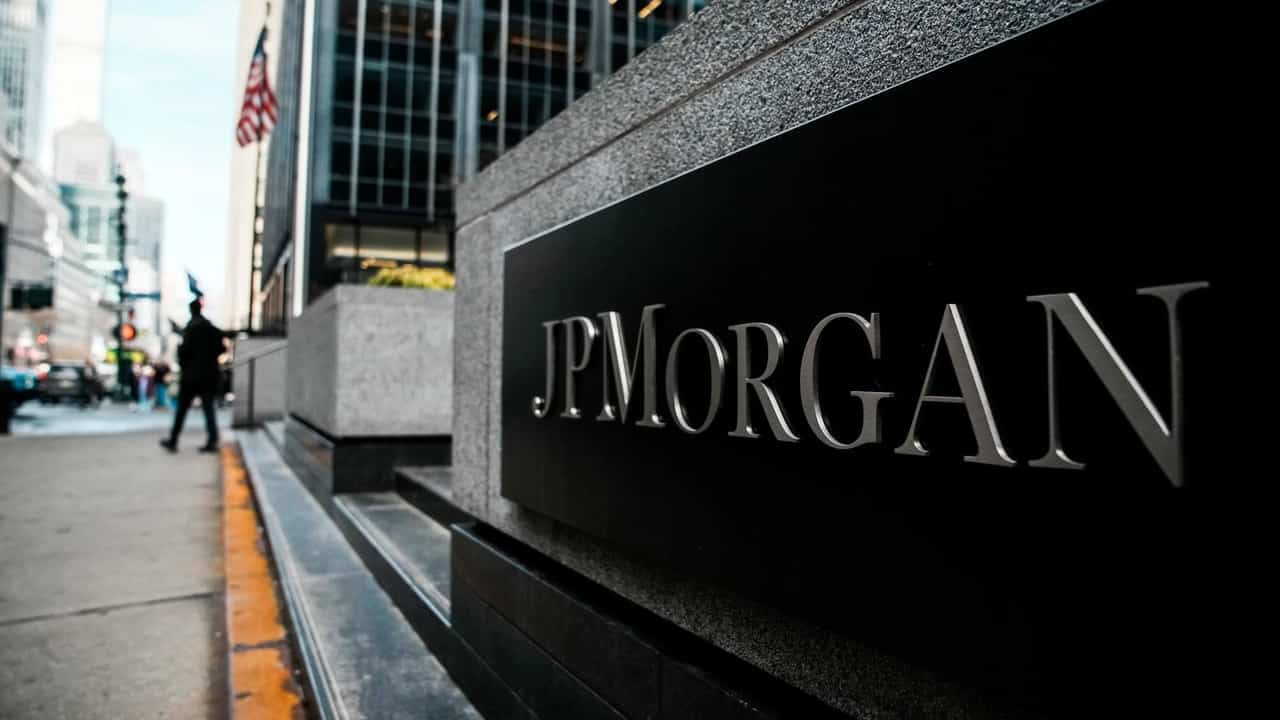
- JPMorgan Chase is leading the banking lobby's efforts.
- Banks argue that higher stablecoin yields could destabilize the financial system.
- The concern is that stablecoin yields draw depositors away from traditional banks.
The U.S. Senate is currently engaged in a debate concerning the rules for stablecoin yield offerings. This renewed discussion poses a potential threat to the Digital Asset Market Clarity Act. Financial institutions, spearheaded by JPMorgan Chase, are actively pushing back against the higher yields offered by cryptocurrency platforms on stablecoins. Their primary concern is that these attractive yields could lead to significant instability within the broader financial system. Banks argue that such offerings could draw depositors away from traditional banking institutions, thereby impacting the stability of the established financial sector. The lobbying efforts by the banking industry aim to prevent or restrict these higher yield opportunities on stablecoins, highlighting a conflict between the traditional finance sector and the burgeoning digital asset market.
The core of the conflict lies in the perceived risk that stablecoin yields, often significantly higher than those offered by traditional banks, could create a substantial outflow of deposits from conventional banks. This potential shift in capital could weaken the liquidity and stability of the banking system. The banking lobby's pushback suggests a strategic effort to protect their depositor base and maintain the current financial equilibrium. The outcome of this debate in the Senate could have far-reaching implications for the regulation of digital assets and their integration into the wider financial landscape.