Key facts
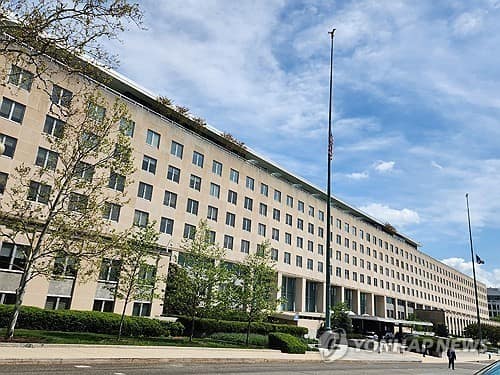
- The U.S. State Department reiterated its warning against travel to North Korea.
- The warning cites serious risks of arrest and long-term detention.
- A travel ban to North Korea has been in place since 2017 and has been extended.
- Senator Edward Markey reintroduced a bill to expedite humanitarian aid to North Korea.
- The bill aims to facilitate medical care and food delivery.
- The legislation seeks to enhance sanctions exemptions.
- The bill aims to streamline travel authorizations for aid delivery.
The U.S. State Department has once again issued a stern warning advising American citizens against traveling to North Korea. This advisory highlights the persistent and serious risks of arrest and prolonged detention that individuals face in the country. The existing travel ban, which has been in place since 2017, has been extended, reinforcing the U.S. government's stance on the dangers of visiting North Korea.
In parallel, Senator Edward Markey has taken steps to facilitate assistance to the North Korean population by reintroducing a bill focused on expediting humanitarian aid. The legislation specifically targets the delivery of critical supplies such as medical care and food to citizens who require them. A key component of the bill involves enhancing existing sanctions exemptions and streamlining the process for travel authorizations. These measures are intended to overcome bureaucratic hurdles that currently impede the flow of necessary humanitarian assistance to the reclusive nation.
The reintroduction of this bill underscores an ongoing effort to balance U.S. foreign policy objectives with the need to address the humanitarian situation within North Korea. While the travel ban reflects security concerns and diplomatic isolation, the proposed legislation acknowledges the dire needs of the North Korean people and seeks to create pathways for aid delivery.