2 storiesUS Politics & PolicyWhite House & presidential decisions / executive ordersUS Congress: House of Representatives & SenateBipartisan deals & legislative gridlock
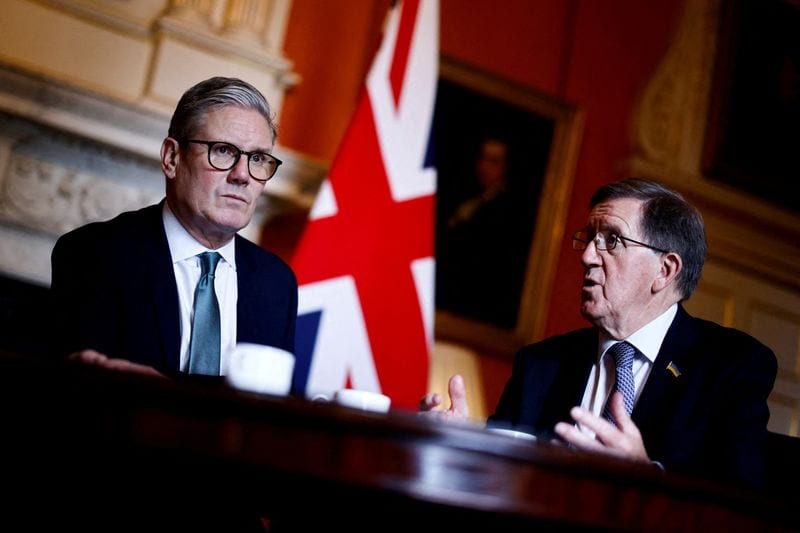
UK faces 'frosty' NATO welcome over defense spending, warns ex-chief
IN SHORT
President Donald Trump has revived his call for the U.S. to control Greenland, citing Danish underinvestment in Arctic security and expressing disappointment with NATO allies. Meanwhile, former NATO chief George Robertson warns the UK could face a 'frosty' reception at an upcoming summit over its defense spending. Updated NATO data indicates only five members are projected to meet the 3.5% of GDP defense spending target by 2026, highlighting broader concerns within the alliance about burden-sharing and strategic priorities.
Key Numbers
3.5%NATO defense spending target as % of GDP
5NATO members projected to meet 3.5% GDP target by 2026
Who's Involved
Donald Trump
U.S. President reiterating call for U.S. control of Greenland
George Robertson
Former NATO chief warning UK on defense spending
NATO
Military alliance facing defense spending and strategic priority discussions
United Kingdom
NATO member cautioned about defense spending
Denmark
Nation cited for underinvestment in Arctic security
United States
Nation seeking control over Greenland
1 / 2