Trump orders restrictions on export of critical minerals scrap
window 24h
IN SHORT
President Donald Trump has signed an order restricting the export of critical mineral scrap, such as old batteries and electronic waste, to bolster domestic recycling and reduce reliance on China. Meanwhile, the U.S. Senate confirmed David Cummins as the new head of the Transportation Security Administration, as the administration considers privatizing security screeners at smaller airports. In other developments, the U.S. is reportedly contemplating a $100,000 fee for foreign students seeking post-graduation work, and China's Vice Premier He Lifeng voiced concerns about U.S. trade restrictions during a call with U.S. officials.
✉Newsletter
PiQ Daily
Pick your topics. Get only what matters, on your cadence.
Key Numbers
$100,000potential fee for foreign students
Who's Involved
Donald Trump
U.S. President signing export restriction order
David Cummins
new head of the Transportation Security Administration
Transportation Security Administration
U.S. agency whose head was confirmed
He Lifeng
China's Vice Premier expressing trade concerns
Xinhua
news agency reporting on He Lifeng's call
1 / 3
Key facts
President Donald Trump signed an order restricting the export of critical mineral scrap.
The order aims to boost domestic recycling and counter China's dominance in critical minerals.
Old batteries and electronic waste are examples of materials affected by the order.
The U.S. Senate confirmed David Cummins as the new head of the Transportation Security Administration.
The Trump administration is advancing a proposal to privatize security screeners at smaller airports.
The U.S. administration is considering a fee of up to $100,000 for foreign students seeking post-graduation work.
China's Vice Premier He Lifeng expressed concerns over U.S. trade restrictions in a call with U.S. officials.
The call between He Lifeng and U.S. officials aimed to foster communication and manage economic relations.
President Donald Trump has signed an executive order that grants federal officials the authority to prohibit the export of critical mineral scrap, including old batteries and electronic waste. This directive is intended to stimulate domestic recycling efforts and to challenge China's significant control over materials essential for national security. The move addresses concerns about the United States' dependence on foreign sources for vital minerals.
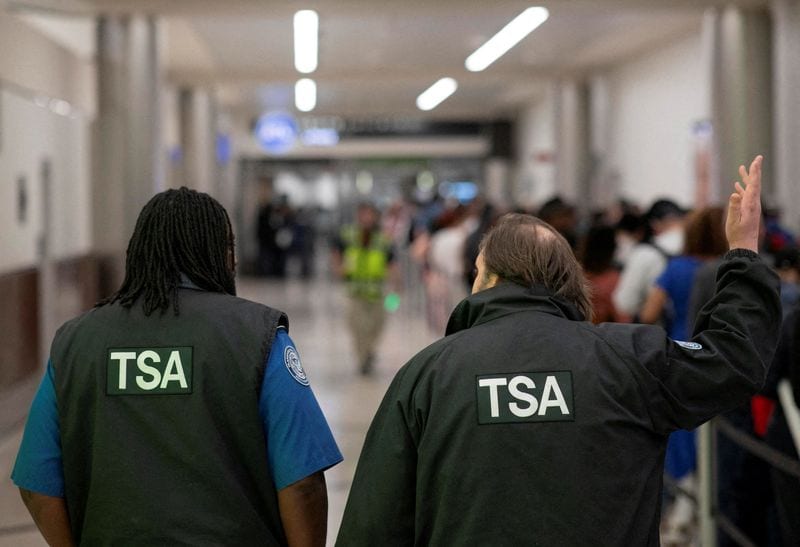
In parallel, the U.S. Senate has confirmed David Cummins as the new administrator of the Transportation Security Administration (TSA). This confirmation comes at a time when the Trump administration is actively pursuing a proposal to privatize security screening operations at smaller airports. The objective behind this privatization initiative is to reduce the TSA's budget and its overall workforce.
Furthermore, the U.S. administration is reportedly evaluating a substantial fee, potentially reaching $100,000, for international students who wish to remain in the country and work after completing their academic programs. This potential policy shift could significantly alter the post-graduation employment landscape for foreign graduates.
Separately, China's Vice Premier He Lifeng communicated concerns regarding U.S. trade restrictions during a telephone conversation with U.S. officials, as reported by Xinhua. The discussion aimed to maintain open communication channels and manage the economic relationship between the two countries.
↳ Why This Matters
President Donald Trump has signed an executive order that grants federal officials the authority to prohibit the export of critical mineral scrap, including old batteries and electronic waste. This directive is intended to stimulate domestic recycling efforts and to challenge China's significant control over materials essential for national security. The move addresses concerns about the United States' dependence on foreign sources for vital minerals.
Frequently asked questions
The order aims to restrict the export of critical minerals scrap, such as old batteries and electronic waste, to boost domestic recycling and counter China's dominance in these materials.
The Commerce Department is authorized to issue rules to prevent the export of these materials.
Critical minerals are essential raw materials and production inputs for military infrastructure, defense systems, advanced technologies, and key industries that underpin the U.S. economy and defense readiness.
What Happens Next
01The Commerce Department will issue rules to implement the export restrictions.
Get the newsletter.
Pick the topics you actually care about. We'll email when there's news worth your time, on the cadence you choose. Cancel any time from your account.