Key facts
- Reform UK proposes cutting £50 billion annually from the welfare budget.
- The plans include significant reductions to disability benefits.
- Access to welfare for foreign nationals is targeted for restriction.
- The proposals have drawn criticism.
- Concerns have been raised about harming vulnerable populations.
- Concerns have been raised about harming non-British residents.
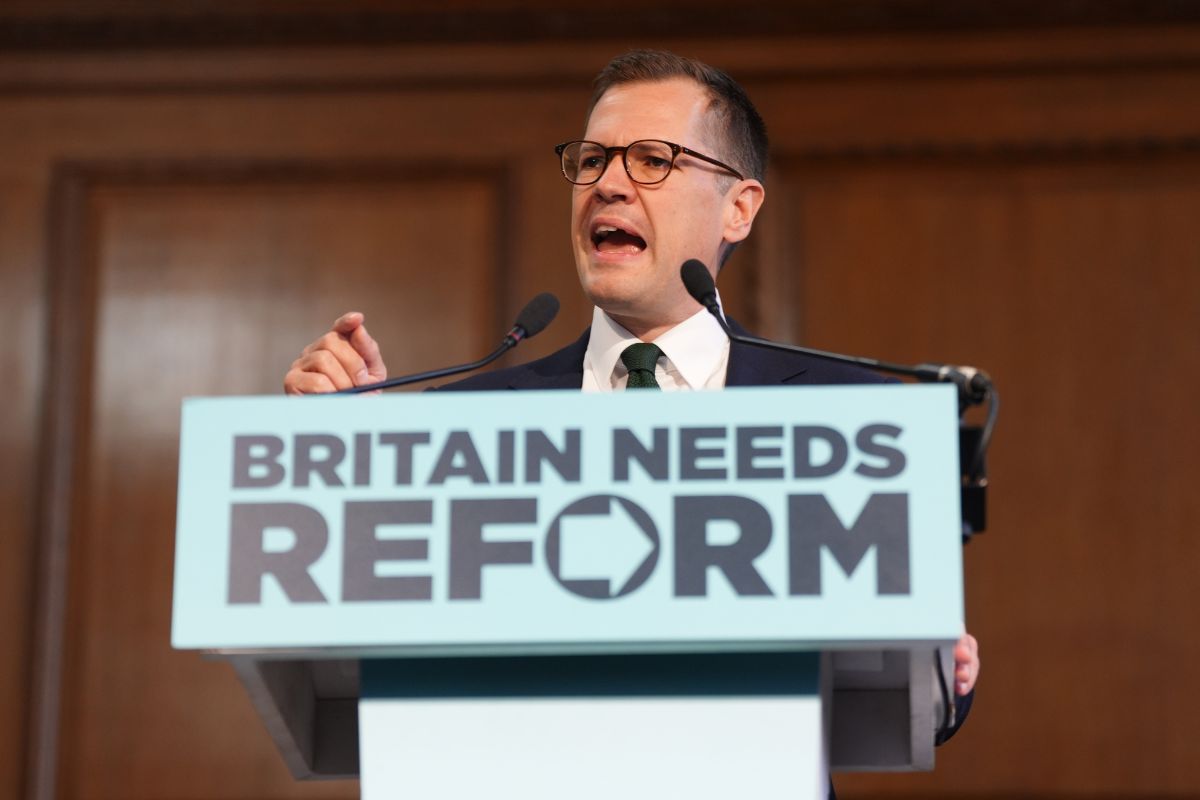
Reform UK has announced a proposal to reduce the annual welfare budget by £50 billion. A significant portion of these proposed cuts would affect disability benefits. Additionally, the party plans to restrict welfare access for foreign nationals. These policy proposals have generated criticism, with opponents expressing concerns that the cuts could disproportionately harm vulnerable populations within the UK, as well as non-British residents. The specific details of how these cuts would be implemented and the exact criteria for restricting access for foreign nationals have not yet been fully elaborated, but the overall aim is a substantial reduction in welfare expenditure.
The proposed £50 billion reduction represents a significant portion of the UK's current welfare spending. Critics argue that targeting disability benefits could leave many individuals with long-term health conditions without necessary financial support, potentially increasing poverty and reliance on other, less structured forms of aid. The focus on non-British nationals also raises questions about social integration and the treatment of residents who contribute to the UK economy. Reform UK's stance suggests a broader ideological approach to welfare, emphasizing national citizens and potentially reducing the social safety net for others.
This policy proposal aligns with a broader political discourse in some countries regarding welfare reform and immigration. The debate often centers on the sustainability of welfare systems, the definition of national eligibility, and the economic impact of immigration. Reform UK's plan enters this debate by proposing specific, large-scale cuts aimed at reallocating resources or reducing government spending. The potential consequences for social cohesion and the well-being of affected groups are key points of contention.