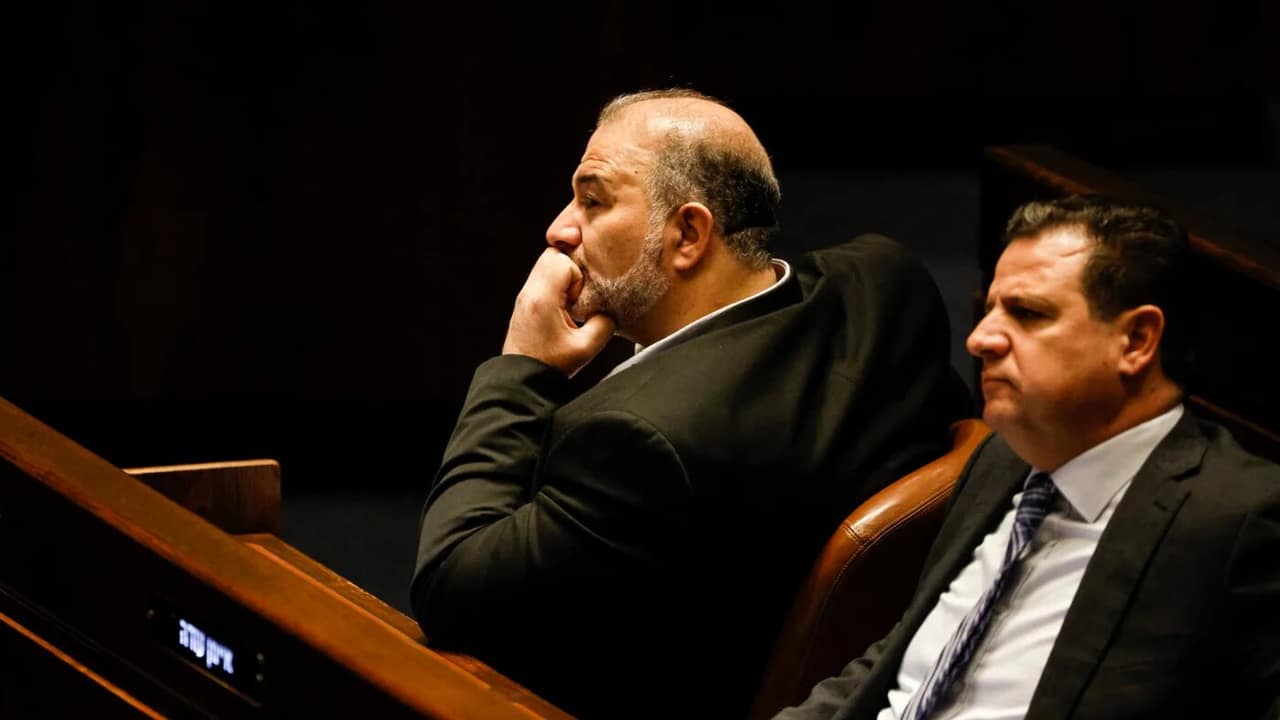
Israeli opposition parties increasingly rule out Palestinian parties in government
window 24h
IN SHORT
Israeli opposition leaders are increasingly ruling out the inclusion of Palestinian parties in any future government, a stance influenced by a shift in public opinion following the October 7th attacks. This development makes cooperation with Palestinian parties politically challenging. Meanwhile, U.S. Senator John Fetterman reaffirms his unwavering support for Israel, asserting he will not alter his position despite potential alienation from progressive factions within the Democratic Party who are advocating for Palestinian rights and achieving electoral gains.
✉Newsletter
PiQ Daily
Pick your topics. Get only what matters, on your cadence.
Who's Involved
Gadi Eisenkot
Israeli opposition leader stating a position on Palestinian parties
John Fetterman
U.S. Senator reaffirming support for Israel
Israeli opposition parties
political groups ruling out Palestinian parties in government
Palestinian parties
political groups potentially excluded from Israeli government
Democratic Party
U.S. political party with internal divisions on Israel policy
Progressive Democrats
faction advocating for Palestinian rights and achieving electoral success
1 / 2
Key facts
Israeli opposition leaders are increasingly ruling out Palestinian parties in government.
Gadi Eisenkot is among the Israeli opposition leaders stating this position.
The shift in Israeli politics is influenced by public opinion changes after October 7th.
Cooperation with Palestinian parties is seen as politically costly in Israel.
Senator John Fetterman reaffirms his support for Israel.
Fetterman states he will not abandon his stance even if it alienates parts of the Democratic Party.
Progressive Democrats advocating for Palestinian rights are achieving electoral successes.
Israeli opposition leaders are increasingly signaling their refusal to form a government that depends on the support of Palestinian Arab parties. This stance, articulated by figures such as Gadi Eisenkot, represents a significant shift in the Israeli political landscape. The change is largely attributed to a transformation in Israeli public opinion in the aftermath of the October 7th attacks, which has rendered cooperation with Palestinian parties politically untenable and costly for those who might pursue it.
In parallel, U.S. Senator John Fetterman has publicly defended his consistent support for Israel. He declared that he would not be swayed from his pro-Israel position, even if it leads to estrangement from segments of the Democratic Party. This declaration comes at a time when progressive Democrats, who are vocal advocates for Palestinian rights, are experiencing notable electoral successes. Fetterman's comments underscore a division within the Democratic Party regarding U.S. policy toward Israel and the Israeli-Palestinian conflict.
↳ Why This Matters
Israeli opposition leaders are increasingly signaling their refusal to form a government that depends on the support of Palestinian Arab parties. This stance, articulated by figures such as Gadi Eisenkot, represents a significant shift in the Israeli political landscape. The change is largely attributed to a transformation in Israeli public opinion in the aftermath of the October 7th attacks, which has rendered cooperation with Palestinian parties politically untenable and costly for those who might pursue it.
Frequently asked questions
The phrase is understood to mean a government coalition formed exclusively by Jewish-majority parties, explicitly excluding Palestinian Arab parties.
In 2021, the United Arab List (Ra'am) joined the Bennett-Lapid coalition to end Benjamin Netanyahu's 12-year rule, marking a historic break from previous political norms.
Following the October 7th attacks, public opinion among Jewish Israelis has hardened against including Arab parties in government, with many viewing such alliances as a security and identity concession.
Palestinian parties represent Palestinian citizens of Israel, advocating for civil equality, an end to the occupation, and recognition of Palestinian national rights, even if not part of a governing coalition.
What Happens Next
01The election scheduled for October 27th will determine the future government composition.
02Further polling data will indicate the viability of coalitions with or without Palestinian Arab party support.
Get the newsletter.
Pick the topics you actually care about. We'll email when there's news worth your time, on the cadence you choose. Cancel any time from your account.