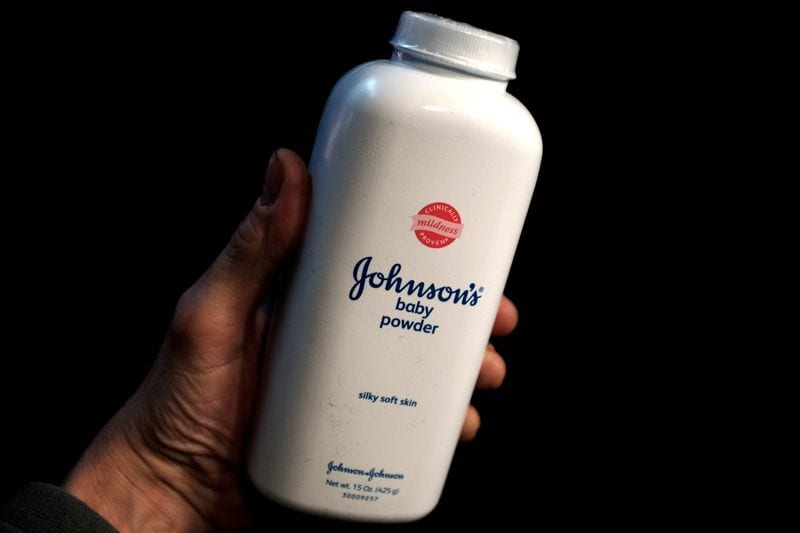
A federal judge has raised significant doubts about the validity of approximately 69,000 lawsuits that allege Johnson & Johnson's baby powder and other talc products caused ovarian cancer. U.S. Magistrate Judge Rukhsanah Singh in Trenton, New Jersey, indicated that plaintiffs must provide more specific evidence linking the talc products to their specific diagnoses, or their cases risk dismissal.
Judge Singh's concerns stem from recent testimony by two key expert witnesses for the plaintiffs, Judith Wolf and Daniel Clarke-Pearson. These experts testified in May in preparation for six "bellwether" trials, which are intended to test the strength of the consolidated cases and guide potential settlements. According to Singh's opinion, the experts could not definitively rule out other potential causes for the plaintiffs' ovarian cancer.
"If such uncertainty is indeed reality, then how can any plaintiff here meet her burden on the merits of her claim?" Singh wrote in her opinion. Despite these doubts, the judge clarified that the debate over causation would not result in an immediate dismissal of all the consolidated cases. Johnson & Johnson has consistently denied the allegations, asserting that its talc products are safe and free from asbestos.
Judge Singh has ordered the plaintiffs to respond by November 19, providing explanations as to why their individual claims should not be dismissed based on the failure to present admissible expert testimony establishing a causal link between J&J's talc and their specific cancer.