Key facts
- The USMCA, a trade agreement between the United States, Mexico, and Canada, governs $2 trillion in annual trade.
- The U.S. has decided not to renew the USMCA in its current form.
- The existing USMCA agreement remains in effect until 2036.
- The U.S. intends to pursue new trade deals with Mexico and Canada.
- Reasons cited for non-renewal include trade deficits and other "shortcomings" of the current agreement.
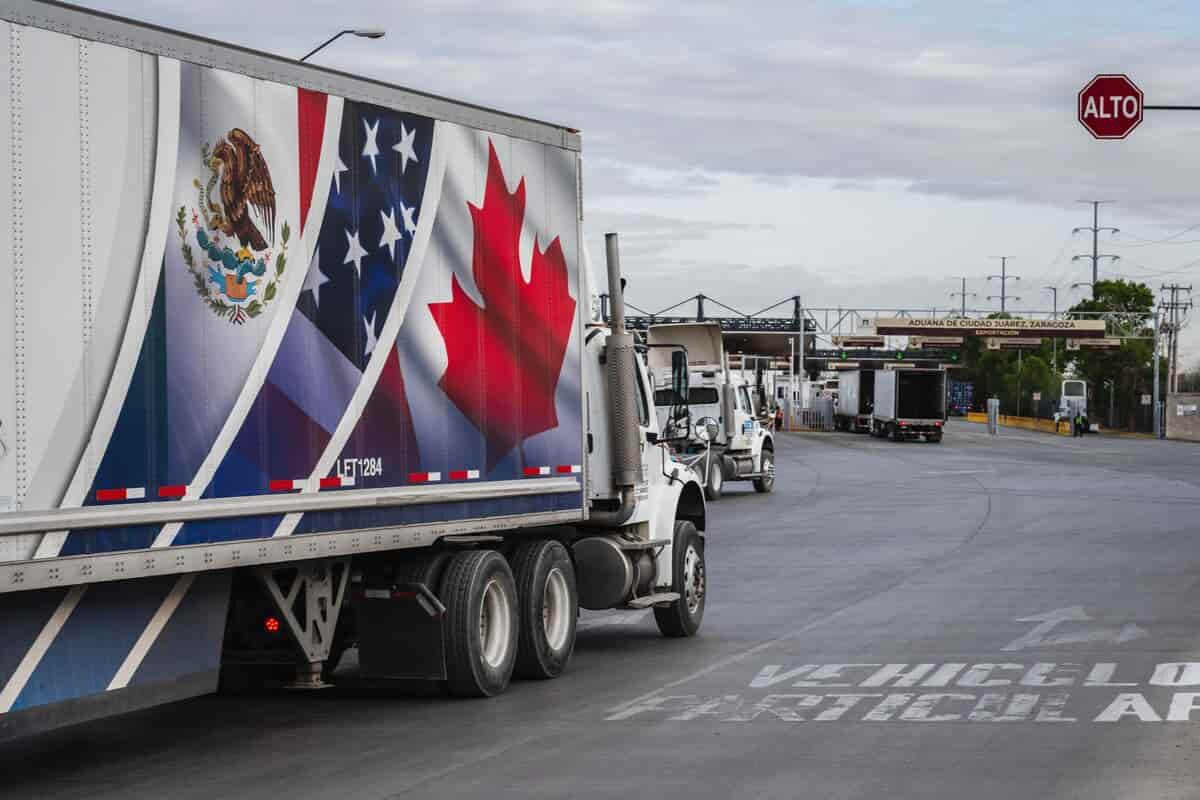
The United States has announced it will not renew the United States-Mexico-Canada Agreement (USMCA) in its current form, signaling a shift in its approach to regional trade policy. The USMCA, which replaced the North American Free Trade Agreement (NAFTA), has governed trade among the three North American nations since its entry into force on July 1, 2020.
While the agreement remains in effect until 2036, the U.S. administration indicated a desire to quickly negotiate new trade deals with Mexico and Canada. A senior administration official cited "shortcomings and our trade deficits with these countries" as the primary reasons for the decision not to renew the existing pact. The USMCA currently facilitates trade for approximately 515 million people, with combined economies representing 30% of global GDP and governing $2 trillion in annual trade.
Key highlights of the USMCA include improved rules of origin for automobiles, modernized agricultural trade provisions, enhanced protections for intellectual property, and new chapters on digital trade and good regulatory practices. The agreement also aims to support high-paying jobs and foster more balanced, reciprocal trade across North America. However, the U.S. has expressed concerns over trade imbalances and other issues, including Canada's retaliation against previous U.S. tariff policies.
President Donald Trump, who negotiated the USMCA during his first term, had previously touted it as a superior agreement. However, he has more recently expressed dissatisfaction, suggesting the U.S. might not "need" the agreement and that Mexico and Canada "have to treat us better." The decision not to renew comes as the trade deal reached a statutorily required review deadline, where both sides presented their views on the agreement's operation and potential next steps.