Key facts
- The U.S. government has discussed new sanctions against Brazilian Supreme Court Justice Alexandre de Moraes.
- The U.S. previously sanctioned de Moraes under the Global Magnitsky Act in July of last year.
- The sanctions were lifted in December of last year.
- The previous sanctions froze de Moraes' U.S. assets and prohibited U.S. citizens and companies from doing business with him.
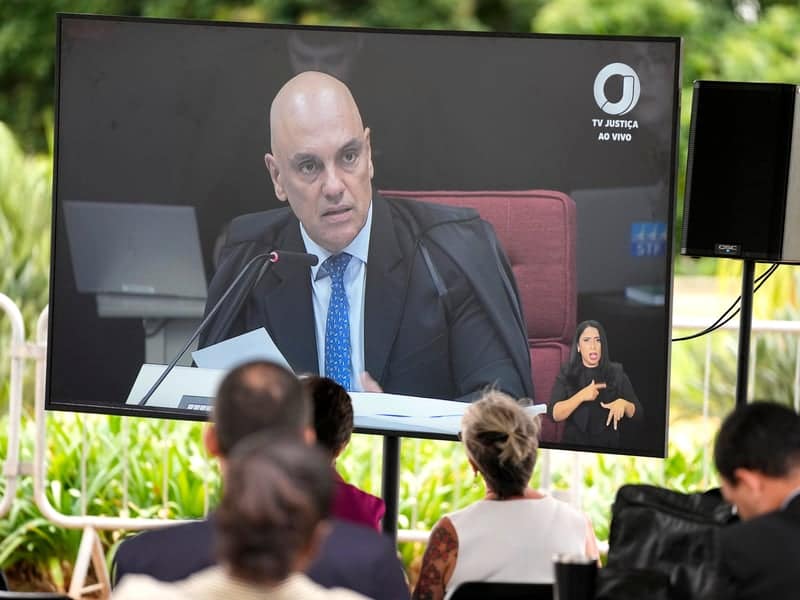
The U.S. government has considered imposing new sanctions on Brazilian Supreme Court Justice Alexandre de Moraes, according to a report by the Financial Times citing individuals familiar with the matter. This follows previous sanctions imposed on de Moraes in July of last year under the Global Magnitsky Act, which were later lifted in December.
The initial sanctions were a response to de Moraes' role in overseeing the trial that led to former President Jair Bolsonaro's conviction and imprisonment for attempting a coup after losing the 2022 election. The sanctions froze de Moraes' assets in the United States and barred U.S. citizens and companies from conducting business with him. The State Department had also previously revoked his visa.
Treasury Secretary Scott Bessent justified the earlier sanctions by accusing de Moraes of leading a campaign of censorship and politically motivated prosecutions. The Brazil Supreme Court stated at the time that it would not be deterred from fulfilling its constitutional role and reaffirmed its commitment to due process.
Relations between the U.S. and Brazil have been strained, with President Donald Trump previously describing the investigation into Bolsonaro as a "witch hunt" and imposing tariffs on Brazilian imports. The lifting of sanctions in December was seen as a step towards improving relations, with a U.S. official stating that continued sanctions would have been inconsistent with U.S. foreign policy interests.