HomeAll NewsEducationTV
Equities & FundsCrypto & Digital AssetsAI & TechnologyBusiness & CorporateUS Politics & PolicyGeopolitics & Global RiskMacro, Rates & FXCommodities & EnergyEuropean Politics & MarketsAsia-PacificReal Estate & Property
Story archiveAll categories
← All Stories

US appeals court blocks part of Texas children's online safety law

Created at 24 Jul · 7:43 PM1 source↑ Market-relevant
IN SHORT

A divided federal appeals court blocked Texas from enforcing a key provision of a state law designed to protect children from harmful social media content. The court ruled that federal law preempts the state's requirement for platforms to monitor and filter content related to self-harm, suicide, and other issues.

✉Newsletter

PiQ Daily

Pick your topics. Get only what matters, on your cadence.

Key Numbers

2-1court decision split
September 2024Texas law effective date

Who's Involved

5th U.S. Circuit Court of Appeals
issued the ruling on Texas' online safety law
Ken Paxton
Texas Attorney General defending the law
Computer & Communications Industry Association
trade group challenging the law
NetChoice
trade group challenging the law
Dana Douglas
Circuit Judge who wrote the majority opinion
James Ho
Circuit Judge who partially dissented
Matthew Schruers
CCIA Chief Executive
Paul Taske
Director of the NetChoice Litigation Center
US appeals court blocks part of Texas children's online safety law

↳ Why This Matters

The ruling underscores the ongoing legal battles over Section 230 and the extent to which states can regulate online content, impacting how social media platforms manage user-generated material and protect minors.

Key facts

  • A federal appeals court blocked a key provision of Texas' Securing Children Online through Parental Empowerment Act.
  • The blocked provision required social media platforms to monitor and filter content related to self-harm, suicide, eating disorders, and other conduct.
  • The court ruled that Section 230 of the Communications Decency Act preempts the Texas law's monitoring and filtering requirement.
  • An age-verification requirement in the Texas law was upheld by the court.
  • The ruling was a 2-1 decision by the 5th U.S. Circuit Court of Appeals.

A divided federal appeals court has blocked a significant portion of a Texas law aimed at protecting children online, ruling that federal legislation preempts the state's efforts. The 5th U.S. Circuit Court of Appeals in New Orleans, in a 2-1 decision, found that Section 230 of the Communications Decency Act shields social media companies from liability for user-generated content, thereby overriding Texas' requirement for platforms to monitor and filter content deemed harmful.

The Texas law, known as the Securing Children Online through Parental Empowerment Act (SCOPE Act) or House Bill 18, which took effect in September 2024, mandated that social media operators actively filter content promoting self-harm, suicide, eating disorders, substance abuse, stalking, bullying, and sexual abuse. Trade groups representing major tech companies, including Amazon, Google, and Meta Platforms, had challenged this provision.

Despite blocking the monitoring and filtering mandate, the appeals court upheld another key aspect of the Texas law: an age-verification requirement. The court also dismissed a lawsuit brought by Students Engaged in Advancing Texas, stating the nonprofit lacked standing.

Circuit Judge Dana Douglas, writing for the majority, acknowledged that Section 230 might function as a "get-out-of-jail-free card" but affirmed its broad protection against civil liability for third-party content. In a partial dissent, Circuit Judge James Ho argued that the Texas law focused on content curation rather than publication, and therefore should have been upheld.

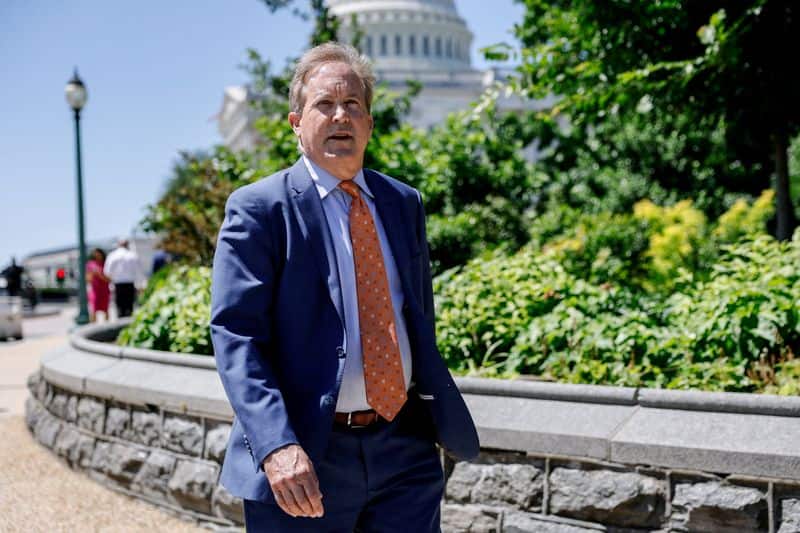
Representatives from the challenging trade groups, CCIA and NetChoice, hailed the decision as a victory for free speech and against government censorship online. The office of Texas Attorney General Ken Paxton, which defended the law, did not immediately comment.

Frequently asked questions

The blocked provision required social media platforms to monitor and filter content related to self-harm, suicide, eating disorders, substance abuse, stalking, bullying, and sexual abuse.

The court ruled that Section 230 of the Communications Decency Act, which broadly shields online platforms from liability for user-generated content, preempts the Texas law's monitoring and filtering requirement.

The federal appeals court upheld the age-verification requirement in the Texas law.

The case involved the Texas Attorney General's office defending the law against challenges from trade groups like the Computer & Communications Industry Association and NetChoice.

What Happens Next

01Texas may seek further review of the decision.
02The case could potentially reach the U.S. Supreme Court.

Get the newsletter.

Pick the topics you actually care about. We'll email when there's news worth your time, on the cadence you choose. Cancel any time from your account.

Cadence

How It Developed

A federal appeals court blocked Texas from enforcing a key provision of its children's online safety law.
The law required social media platforms to monitor and filter content related to self-harm, suicide, eating disorders, and other issues.
The court ruled that Section 230 of the Communications Decency Act preempts the Texas law's monitoring and filtering requirement.
The appeals court upheld an age-verification requirement in the Texas law.
A dissenting judge argued the law regulates curation, not publication, and should be upheld.
Sponsored

London Quick Take - 22 July - UK inflation softens, oil rises and chips rally ahead of Alphabet, Tesla earnings

SAXO

Sources

T1
US appeals court blocks part of Texas children's online safety lawReuters

Related Stories

Vietnam proposes banning under-16s from posting on social media
24 Jul · 4:37 AM
US judge blocks Biden-era restrictions on prescribing abortion drug
24 Jul · 4:11 PM
Court rejects Trump administration bid to re-detain scholar
23 Jul · 11:18 PM
Judge rebuffs Trump admin demand for phone records from NYT reporters
24 Jul · 6:06 PM
FDA panel votes against adding emideltide to compounding list
24 Jul · 4:06 PM