Key facts
- Ukraine's Supreme Court rejected ex-President Petro Poroshenko's lawsuit seeking to overturn sanctions imposed by President Volodymyr Zelensky.
- The sanctions against Poroshenko were imposed in February 2025.
- Poroshenko, a political opponent of Zelensky, plans to appeal the decision.
- Legal experts question the legality of imposing sanctions on Ukrainian citizens without court decisions and specific justifications.
- The Supreme Court has faced multiple corruption scandals, with a significant percentage of judges previously found to not meet integrity standards.
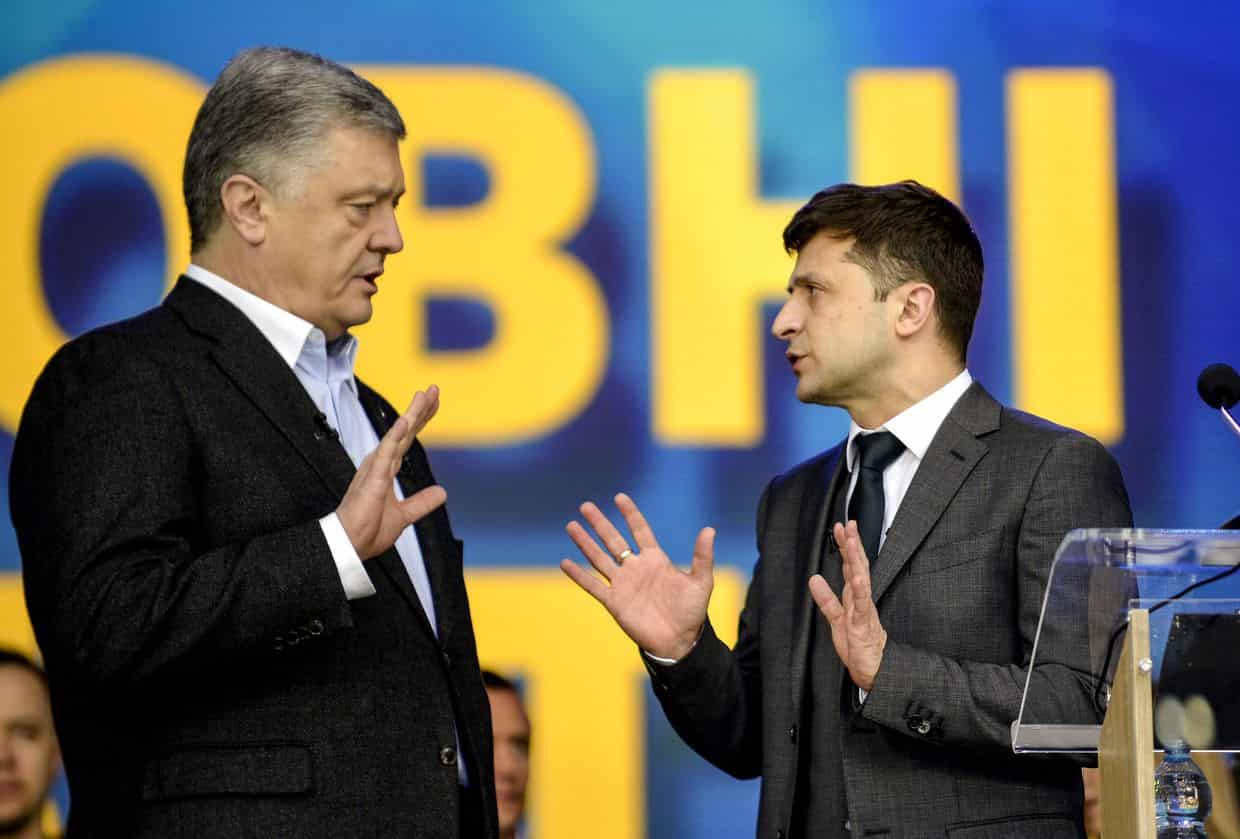
Ukraine's Supreme Court on July 10 rejected a lawsuit filed by ex-President Petro Poroshenko, which sought to overturn sanctions imposed on him by his successor, President Volodymyr Zelensky. The court's decision upholds Zelensky's authority to implement sanctions against Ukrainian citizens, a practice that has become more common under his administration and is viewed by legal experts as highly questionable.
Poroshenko, who leads the opposition European Solidarity party, has been a vocal critic of the Zelensky administration. The sanctions against him were imposed in February 2025, and he was also charged with treason in 2021 for allegedly aiding Russian proxies through coal supplies. Poroshenko maintains his opposition to Moscow and argues the sanctions are politically motivated to suppress dissent and build an authoritarian state, hindering Ukraine's European integration.
Legal experts have raised concerns about the constitutionality and legality of imposing sanctions on Ukrainian citizens without court decisions and specific justifications. Zelensky's decrees often lack detailed reasons, leading critics to argue they are arbitrary. Vladyslav Vlasiuk, Zelensky's commissioner for sanctions policy, defended the ruling, stating that Ukraine's Law on Sanctions permits their imposition on individuals regardless of citizenship and that sanctions are not punitive, thus not requiring the same procedural safeguards as criminal penalties.
The ruling has also brought renewed attention to the Ukrainian Supreme Court itself, which has been plagued by corruption scandals. A 2017 assessment found a significant percentage of its judges did not meet integrity and ethics standards. Recent cases, including the firing of a deputy chairman for concealed Russian citizenship and the sentencing of a former head for bribery, have further fueled demands for reform, which have yet to be fully implemented. Mykhailo Zhernakov, head of the DEJURE legal think-tank, attributed the ruling to the failure to reform the judiciary, suggesting that a compromised court could not be expected to deliver impartial justice in politically sensitive cases.