Key facts
- Ukraine is creating a National Pantheon to honor its heroes.
- President Volodymyr Zelensky submitted a draft law to the Verkhovna Rada.
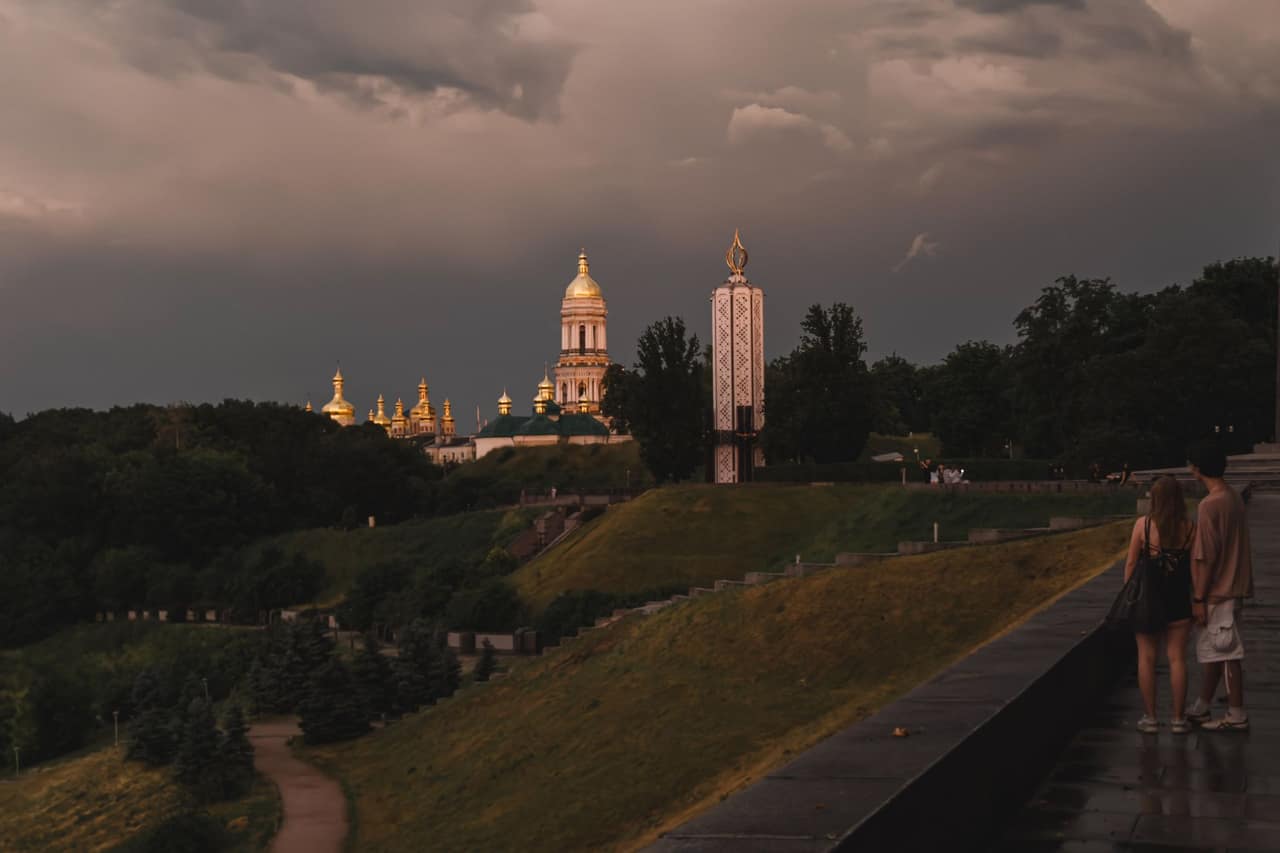
- The proposed site for the Pantheon is the Kyiv Pechersk Lavra.
- The initiative aims to counter Russian attacks on Ukrainian cultural sites and history.
- The Culture Ministry will oversee the Pantheon's construction and selection process.
Ukraine is moving to establish a National Pantheon to honor generations of people who defended, built, and shaped the nation. This effort follows years of Russian attacks that have damaged cultural sites, which Ukrainian officials view as an assault on the country's history and identity.
President Volodymyr Zelensky submitted a draft law to the Verkhovna Rada, Ukraine's parliament, in late June, stating that the Pantheon would house the "names of all the heroes who, across centuries and eras, fought for Ukraine and inspired its people." The Verkhovna Rada advanced the initiative in early July. The proposed site for the National Pantheon is the grounds of the Kyiv Pechersk Lavra, a sacred landmark of Orthodox Christianity.
While the Pantheon remains largely a concept until the president signs the bill into law, debates have begun regarding its establishment and who will be included. The President's Office stated that the Pantheon could include military figures and anyone who has contributed to Ukraine's independence, statehood, culture, or society. The Culture Ministry, which already oversees the Lavra, will manage the Pantheon's construction. Deputy Culture Minister Ivan Verbytskyi noted that the Lavra is a logical site, as it has historically served as a resting place for important figures.
The Pantheon will be located within the national preserve of the Lavra, separate from the UNESCO World Heritage site core grounds. The Culture Ministry will collaborate with the Cabinet of Ministers to select an architect and design through a merit-based process. Public speculation has arisen regarding potential honorees, such as the recently repatriated remains of military leader Andriy Melnyk and plans for Yevhen Konovalets. However, officials emphasize that a strict procedure, potentially requiring a new law for each individual, will determine eligibility, and no list exists yet.
A permanent collegial advisory body, including representatives from the Institute of National Remembrance, scientific institutions, and civil society, will decide on forms of remembrance, such as reburials or cenotaphs. The ultimate decision-making authority rests with the Ukrainian government. Informational, exhibition, or digital formats may also be incorporated.
Ukraine has been actively reclaiming its historical narrative since the 2014 EuroMaidan Revolution, enacting decommunization laws to remove Soviet symbols and rename streets. This effort to distance Ukraine from Russian influence and reestablish a Ukrainian-centered historical memory has gained urgency amid the ongoing war. Historian Yulia Yurchuk notes that this reclamation of history and heroes predates the USSR's collapse but has significantly scaled up since 2014 and especially after 2022.