Key facts
- Defense Minister Mykhailo Fedorov was dismissed by President Volodymyr Zelensky.
- The dismissal has caused outrage among Ukrainian society and military personnel.
- Fedorov is credited with launching the "Army of Drones" and "Logistics Lockdown" initiatives.
- He also secured restrictions on Russian Starlink usage in occupied territories.
- Fedorov previously served as Minister of Digital Transformation, developing the Diia app.
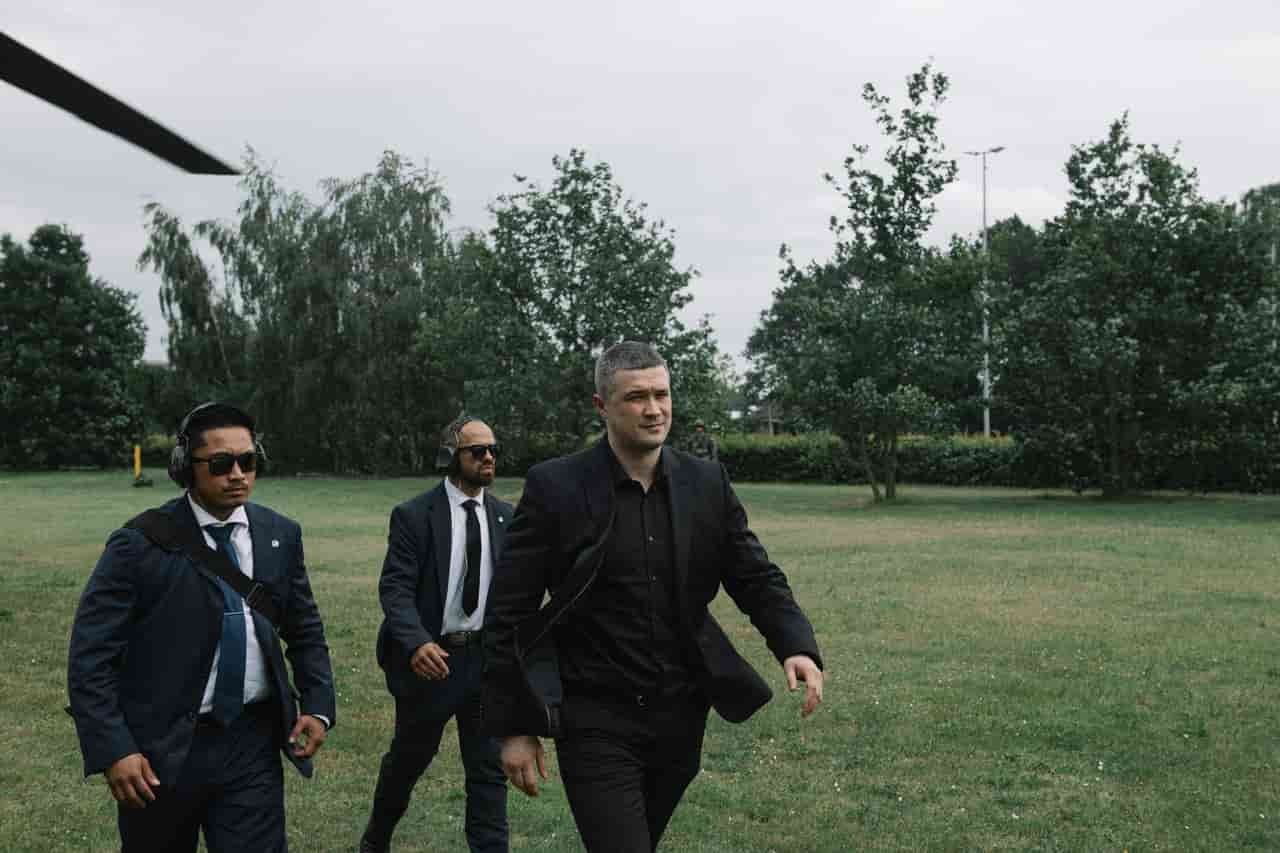
President Volodymyr Zelensky's decision to dismiss Defense Minister Mykhailo Fedorov has ignited widespread outrage and concern among Ukrainian society and military personnel, who fear the move could significantly impede the nation's war effort. Fedorov, who served a productive six-month tenure as defense minister, is widely recognized for his digital-first approach and numerous achievements.
Originally from Vasylivka in Zaporizhzhia Oblast, Fedorov transitioned from a career in digital marketing, including work for Zelensky's production company, to leading the digital strategy for Zelensky's presidential campaign in 2019. He was subsequently appointed as Ukraine's first Minister of Digital Transformation, where he spearheaded the development of the Diia mobile application and online portal, offering citizens access to digital documents and public services.
In the context of the full-scale war, Fedorov launched the "Army of Drones" initiative and the UNITED24 fundraising platform in 2022. His appointment as defense minister in January saw him bring his data-driven, digital-centric methodology to the role. One of his early successes was convincing Elon Musk to restrict unauthorized Russian Starlink access on the battlefield in February, a move described as "a catastrophe" for Russia and crucial for Ukrainian counterattacks.
Fedorov also initiated the "Logistics Lockdown" campaign on May 27, aimed at systematically destroying Russian logistics, warehouses, and supply routes. This campaign, supported by 5 billion UAH ($112 million) for middle-strike drones and loitering munitions, utilized drones like the "Hornet," developed in conjunction with Eric Schmidt's "Perennial Autonomy." The campaign's success in disrupting Russian supply lines was evident in occupied territories and contributed to the ongoing drone-led siege of Crimea, impacting fuel, electricity, and water supplies on the peninsula.