Trump Administration Plans 15% Tariff on Polysilicon Derivatives
IN SHORT
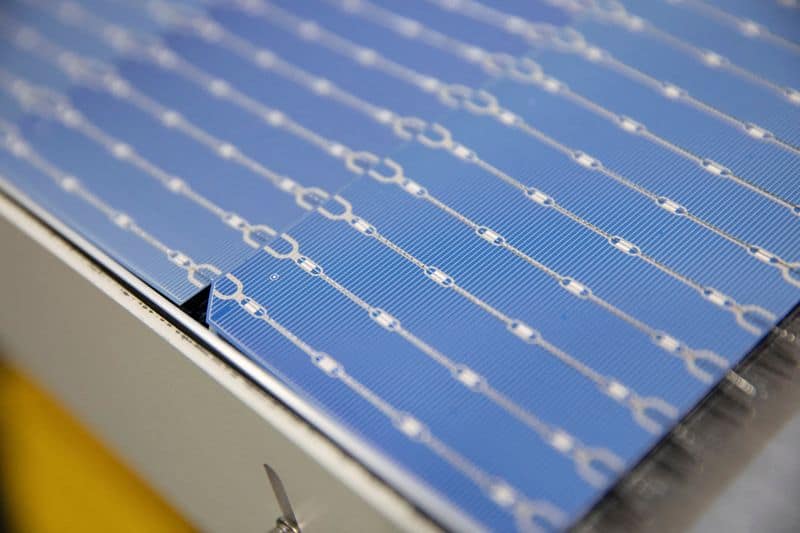
The Trump administration is reportedly planning to impose a 15% tariff on polysilicon derivative products. The administration is also expected to release the findings of its Section 232 investigation into foreign polysilicon imports soon.
Key Numbers
15%planned tariff on polysilicon derivatives
270 daysmaximum completion time for Section 232 investigations
March 2026latest possible completion date for current investigations
50%increased Section 301 tariff on Chinese polysilicon, wafers, and solar cells
February 2026expiration date for current solar panel safeguard action
Who's Involved
Trump administration
planning to impose tariffs and release investigation results
U.S. Department of Commerce Bureau of Industry and Security (BIS)
announced initiation of Section 232 investigations
↳ Why This Matters
The planned tariffs and the outcome of the Section 232 investigation could significantly impact the supply chain for semiconductors and solar panels, potentially increasing costs for U.S. manufacturers and consumers while aiming to bolster domestic production.