Key facts
- The Trump administration is seeking Supreme Court intervention to implement nationwide restrictions on mail-in voting.
- A federal judge had previously blocked key provisions of President Trump's executive order on elections.
- The executive order sought to create lists of verified citizens and establish a U.S. Postal Service system for mail-in ballots.
- The administration argues that the judge's ruling prevents the implementation of new voting restrictions before the November elections.
- A separate ruling found the executive order violated an agreement to prioritize mail-in ballot delivery.
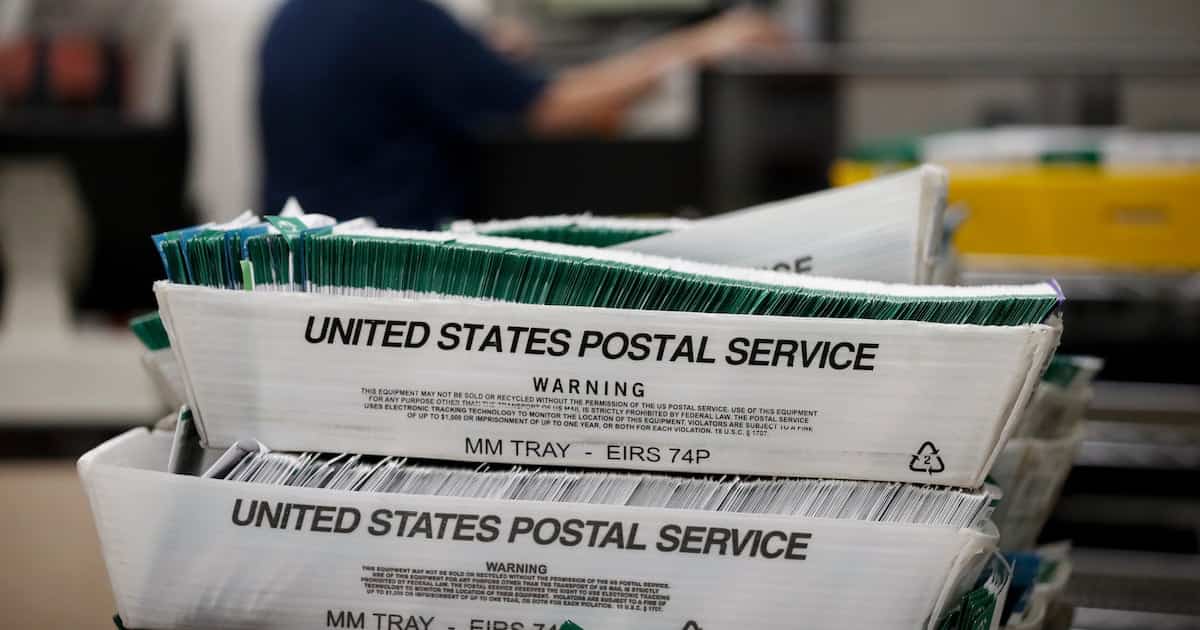
The Trump administration has appealed to the U.S. Supreme Court to reinstate nationwide restrictions on mail-in voting, as outlined in a presidential executive order. This action follows a ruling by U.S. District Judge Indira Talwani, who blocked key provisions of the order, arguing that President Trump lacked the constitutional authority to regulate state elections. The executive order aimed to establish a national list of verified adult citizens and create a system for the U.S. Postal Service to handle mail-in ballots exclusively from voters on pre-approved lists.
The Justice Department filed a request with the Supreme Court to put Talwani's ruling on hold while litigation proceeds. This ruling had prevented the enforcement of the order against 23 states and Washington D.C. The administration contends that the judge's decision makes it operationally impossible for the Postal Service to implement a bifurcated system for mail-in ballots, even if the administration ultimately prevails on appeal.
Adding to the legal challenges, another federal judge in Washington D.C., U.S. District Judge Emmet Sullivan, ruled that the executive order violated a prior agreement between the Postal Service and the NAACP. This agreement mandates the federal government to ensure that voters requesting mail-in ballots receive them in time to be counted. Sullivan's decision, unlike Talwani's, applies nationwide and states that the administration's plan to send ballots only to voters on pre-approved lists breaches this commitment.