Key facts
- Tokyo aims to expand its bike lane network to 900 kilometers by 2030.
- New fines have been implemented, requiring cyclists to use roadways.
- The plan includes four types of bicycle lanes: separated roadways, marked blue lanes, painted white symbols on roads, and separated lanes on sidewalks.
- These measures are intended to create a safer environment for cyclists.
Japan's capital is set to double its network of bike lanes and related infrastructure to 900 kilometers by 2030. This initiative aims to establish a safer environment for cyclists, particularly after the introduction of fines in April that compelled them to move from sidewalks onto busy streets.
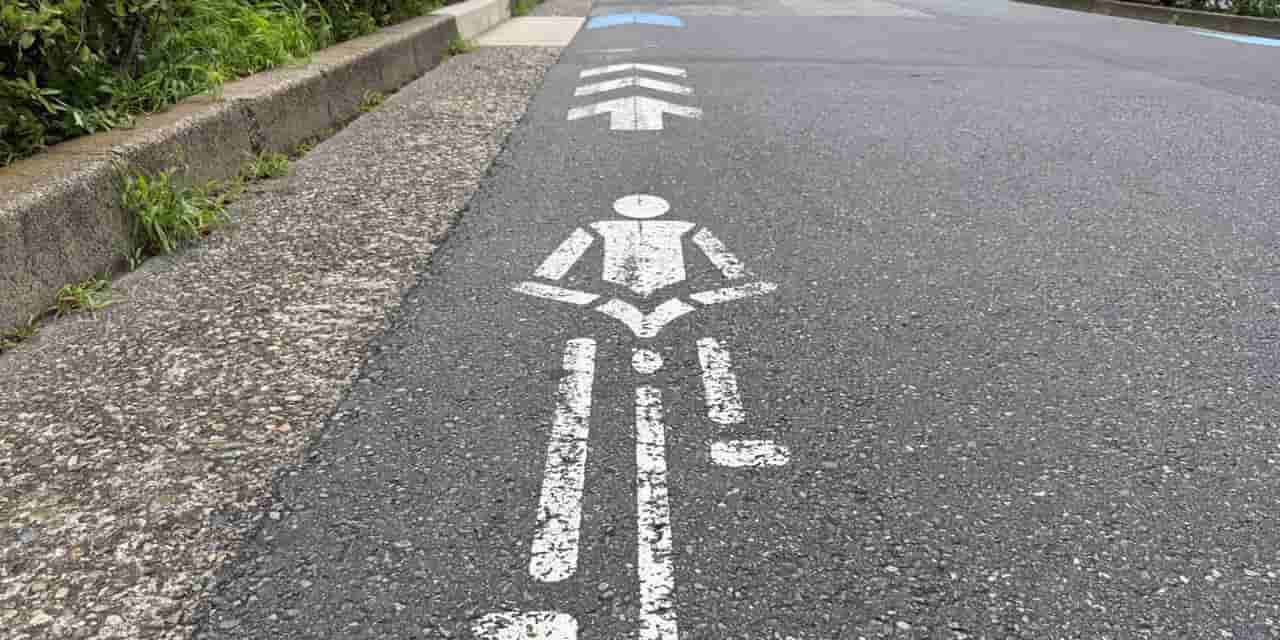
The Tokyo metropolitan government plans to implement four primary types of bicycle lanes. These include roadways with physical separation from traffic via fences or curbs, lanes marked in blue on the left side of roads, roads with painted white bicycle symbols and direction arrows, and lanes on sidewalks separated from pedestrians by plants, fences, or painted marks.
Historically, cyclists began preferring walkways in the early 1970s due to a dramatic increase in automobile traffic during Japan's high economic growth period, leading to concerns about safety on roads. According to the National Police Agency, in 2022, three pedestrians were killed and 309 seriously injured in accidents involving cyclists, with 40% of these incidents occurring on footpaths.
Bicycle purchases saw an increase during the COVID-19 pandemic as individuals sought to avoid crowded indoor spaces. The rise in cyclists, including those working as delivery agents and the prevalence of rental bicycles, has further underscored the need for improved cycling infrastructure.