Key facts
- Taiwan's volunteer military force grew by over 5,000 personnel in the past year.
- This increase is attributed to improved pay and welfare, not necessarily a shift in attitudes towards military service.
- The number of conscription-eligible individuals in Taiwan has been declining due to low birth rates.
- Taiwan's Ministry of National Defense aims to maintain combat readiness through advanced weapons and technology, reducing reliance on manpower.
- The proportion of female soldiers in Taiwan's military has reached 16.6 percent.
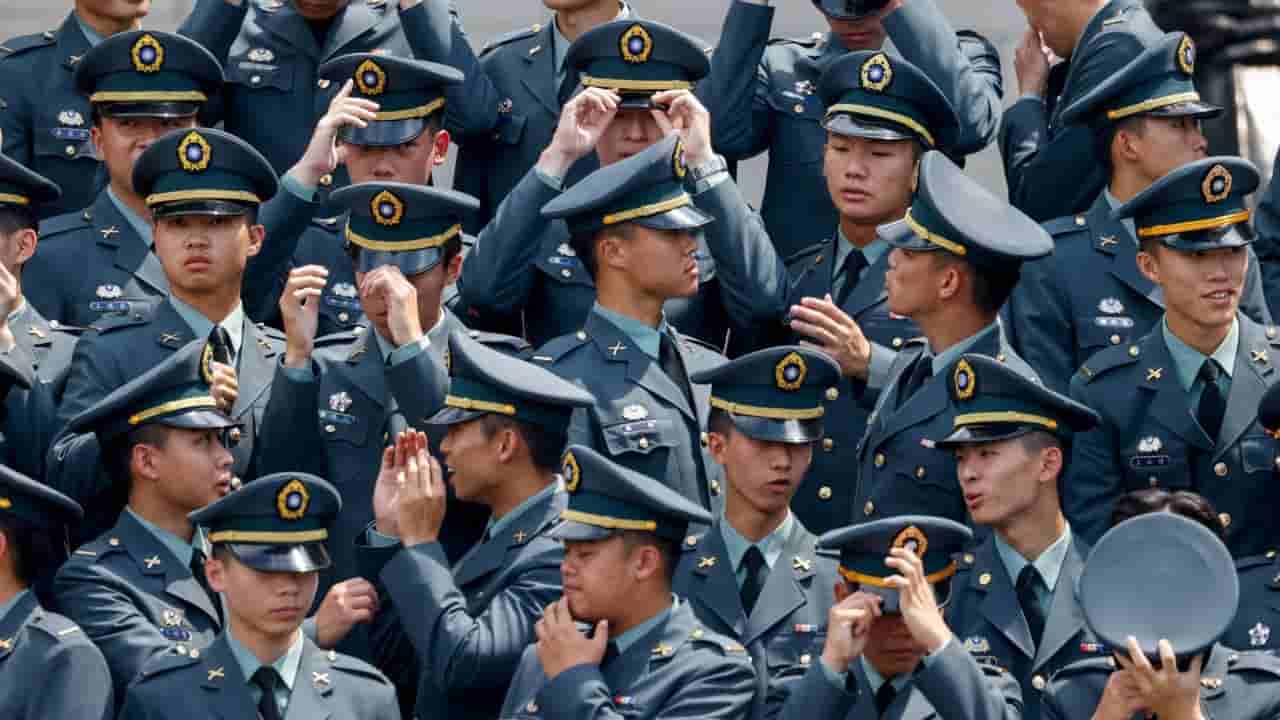
Taiwan's volunteer military force has seen an increase of over 5,000 personnel in the past year, a development attributed by lawmakers and analysts to improved pay and welfare rather than a fundamental shift in young people's attitudes toward military service. This growth comes despite Taiwan's worsening demographic decline and a shrinking pool of conscription-eligible individuals, which fell below 100,000 for the first time in 2023 and is projected to reach around 77,000 by 2027.
The Ministry of National Defense's report to the Legislative Yuan indicated that these policy changes, including better living conditions and eased selection criteria, have not only boosted the number of volunteer soldiers but also increased the proportion of personnel opting for long-term service and reduced instances of failure to adapt to military life. A military official stated that improved pay and service conditions directly raised enlistment willingness.
Looking ahead, Taiwan's military plans to restructure by focusing on advanced weapons systems and technology to maintain combat power, thereby reducing its dependence on manpower. The expansion of female ranks is also a key strategy, with the proportion of female soldiers now at 16.6 percent, nearing levels in the United States and France. However, concerns remain about stably securing specialized personnel to operate advanced weaponry amidst a societal labor shortage.
In parallel with these recruitment and structural changes, Taiwan's military recently conducted live-fire drills to verify annual field air-defense capabilities, utilizing both domestically produced and U.S.-made missiles.