Key facts
- Syrian families are increasingly providing foster care for abandoned children.
- The organization Child Houses has placed 200 children with foster families since 2021.
- Abandoned children are now being transferred to the state-run Lahn al-Hayat complex, guided by Child Houses.
- A care system aligned with Sharia law and kafala, an Islamic alternative to foster care, is being implemented.
- Children in foster care do not assume the foster family's name or inheritance rights.
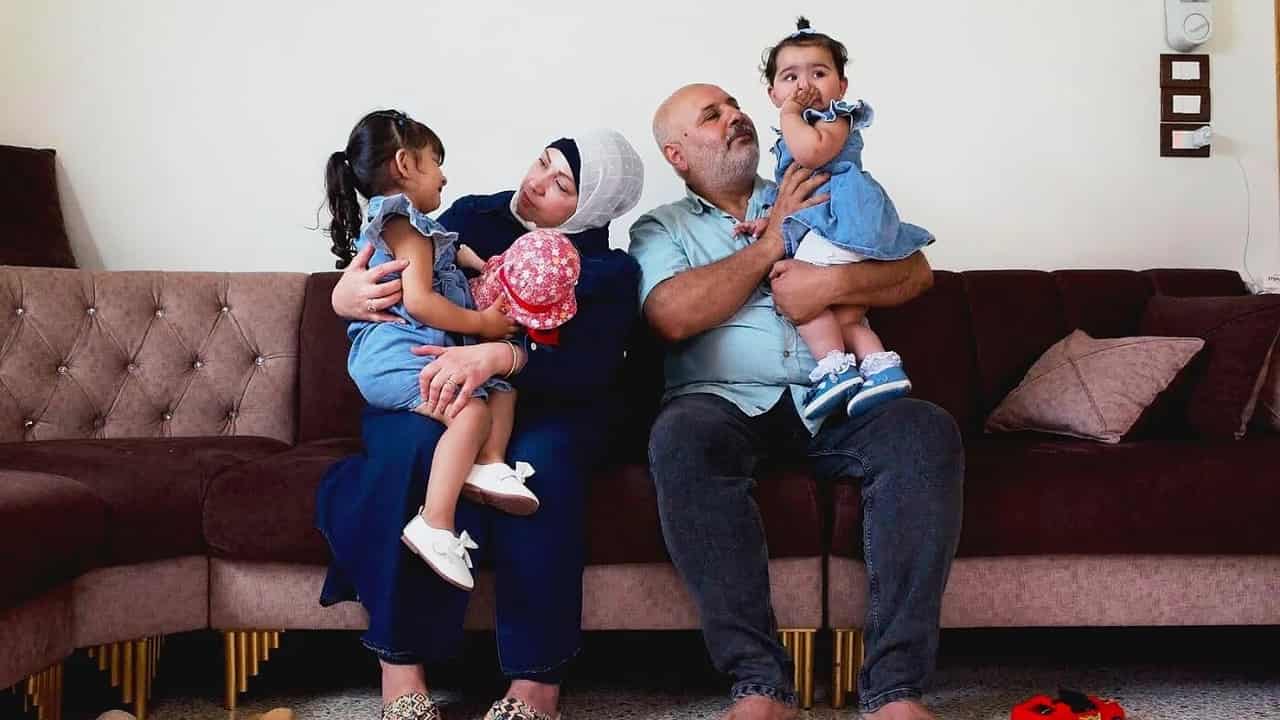
In Syria, a growing number of abandoned infants are being placed with foster families, offering them a future amidst the country's ongoing challenges. Organizations like Child Houses are instrumental in this effort, working to establish a system that aligns with Islamic principles of kafala and Sharia law, which differs from Western-style adoption.
Child Houses began its work in 2021, operating from an emergency shelter in Idlib and successfully placing 200 children with foster families. Following Syria's reunification, these children have been transferred to Lahn al-Hayat, a state-run complex that was previously associated with the security apparatus. Under new management and with guidance from Child Houses, Lahn al-Hayat is now prioritizing child safeguarding and exploring family-based alternative care.
Since the transfer, an additional 100 infants have been placed in foster care. The system developed emphasizes preserving the child's lineage, meaning they cannot assume the foster family's name or inheritance rights. If biological parents come forward, foster families are obligated to return the child if it is deemed in the child's best interest. Case workers conduct extensive searches for biological families, a process that can take up to three months.
The social stigma surrounding children of unknown parentage, often linked to extramarital pregnancies, remains a significant challenge. Historically, these children were registered with a term translating to 'bastard,' but Child Houses has advocated for a more humane coded numbering system. Despite official language changes, social judgment persists, with some foster mothers choosing to remain anonymous.
The prolonged conflict and the 2023 earthquake have amplified the need for alternative care solutions, highlighting the limitations of institutional care. The war has created an unprecedented number of vulnerable children, while many childless Syrians seek to expand their families, creating a demand for fostering.