HomeEverything
Equities & FundsCrypto & Digital AssetsAI & TechnologyBusiness & CorporateUS Politics & PolicyGeopolitics & Global RiskMacro, Rates & FXCommodities & EnergyEuropean Politics & MarketsAsia-PacificReal Estate & Property
← All Stories

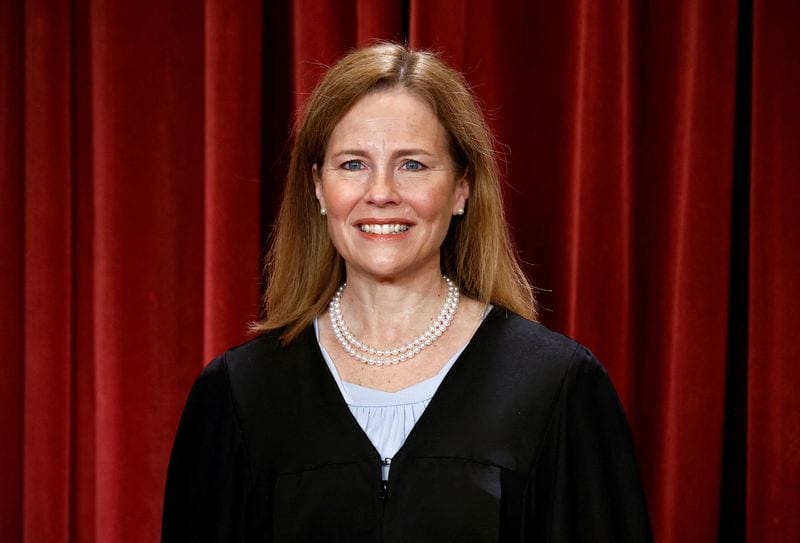
Supreme Court's Barrett sides with liberals on key Trump priorities

Created at 3 Jul · 9:06 PM1 source↑ Market-relevant
IN SHORT

Justice Amy Coney Barrett, a Trump appointee, has increasingly shown independence from the former president, joining liberal justices on key rulings that went against his administration's priorities, drawing criticism from some conservatives.

✉Newsletter

PiQ Daily

Pick your topics. Get only what matters, on your cadence.

Key Numbers

6-3conservative majority on the Supreme Court
54Amy Coney Barrett's age
10cases Barrett supported Trump/Republican interests
3cases Barrett voted against Trump/Republican interests

Who's Involved

Amy Coney Barrett
Supreme Court Justice who has shown independence from Donald Trump
Donald Trump
Former President whose priorities have been challenged by Barrett's rulings
JD Vance
Vice President who criticized Barrett's birthright citizenship ruling
Megyn Kelly
Conservative commentator who called Barrett a 'turncoat'
Mike Davis
Trump ally who called Barrett a 'disaster' and urged her to resign
Brian Fitzpatrick
Law professor who disputes the idea that Barrett is not a conservative jurist
John Roberts
Chief Justice who authored a ruling on birthright citizenship
Sonia Sotomayor
Liberal Justice who joined Barrett on the mail-in ballot ruling
Ketanji Brown Jackson
Liberal Justice who joined Barrett on the mail-in ballot ruling
Stephen Miller
White House aide who accused Roberts and Barrett of caving to the left
Michael Smith
Law professor who advises liberals not to place hope in Justice Barrett
Supreme Court's Barrett sides with liberals on key Trump priorities

↳ Why This Matters

Justice Barrett's independent voting record on the Supreme Court, particularly on issues impacting President Trump's priorities, highlights the complexities of judicial appointments and the potential for appointees to diverge from the expectations of those who placed them on the bench.

Key facts

  • Justice Amy Coney Barrett, appointed by Donald Trump, has increasingly voted with liberal justices on key issues.
  • Barrett authored a ruling on mail-in ballots and joined decisions against Trump's tariffs and birthright citizenship order.
  • These rulings drew criticism from Trump and conservative commentators, who called Barrett a 'turncoat'.
  • Legal experts suggest Barrett's votes reflect judicial independence rather than a shift in ideology.
  • In the past term, Barrett voted with conservative interests in 10 out of 13 major cases involving Trump and Republican priorities.

Justice Amy Coney Barrett, a key figure in the Supreme Court's conservative majority, has increasingly demonstrated judicial independence, sometimes siding with liberal justices against President Donald Trump's priorities. This independence has drawn criticism from Trump and some conservative commentators, who have labeled her a 'turncoat' and a 'disaster.'

During the court's most recent term, Barrett joined rulings that impacted significant Trump-backed policies. She authored a 5-4 decision that requires mail-in ballots to be counted if postmarked by Election Day, a move that could benefit Democratic voters. She also joined rulings that rejected Trump's sweeping global tariffs and his executive order aimed at denying birthright citizenship to children of certain immigrants, based on the 14th Amendment.

These decisions contrast with Barrett's role in other key conservative victories. She supported Trump's efforts to remove Federal Reserve Governor Lisa Cook and FTC member Rebecca Slaughter, backed challenges to campaign finance restrictions, and voted to gut a Voting Rights Act provision. Barrett also voted to uphold state laws banning transgender student athletes and to strike down a Colorado law on conversion therapy. Furthermore, she was part of the majority in decisions expanding Second Amendment gun rights.

Legal experts, however, argue that Barrett's votes do not indicate a departure from conservative principles but rather reflect the reality of judicial decision-making, where appointees do not always align with the appointing president's wishes. Barrett, appointed in 2020, had pledged upon her confirmation to perform her duties 'without fear or favor' and independently of the political branches.

Frequently asked questions

Amy Coney Barrett is a Justice on the U.S. Supreme Court, appointed in 2020 by then-President Donald Trump. She is part of the court's 6-3 conservative majority.

Barrett authored a decision on counting mail-in ballots and joined rulings against Trump's tariffs and birthright citizenship order. She also voted in favor of conservative positions on issues like transgender athletes and gun rights.

Some conservatives have criticized Barrett for siding with liberal justices on rulings that went against President Trump's priorities, leading to accusations of being a 'turncoat'.

Legal experts suggest that Barrett's votes reflect judicial independence and the reality that presidential appointees do not always align with the appointing president's wishes, rather than a shift away from conservative principles.

What Happens Next

01The Supreme Court's next term will continue to reveal Justice Barrett's judicial leanings.
02Future rulings may further clarify the extent of judicial independence among Trump appointees.

Get the newsletter.

Pick the topics you actually care about. We'll email when there's news worth your time, on the cadence you choose. Cancel any time from your account.

Cadence

How It Developed

Justice Amy Coney Barrett has been a key member of the Supreme Court's conservative majority.
Barrett has joined rulings that rolled back abortion rights, affirmative action, and expanded gun and religious rights.
Barrett authored a decision sustaining the ability of states to count late-arriving mailed-in ballots.
Barrett joined rulings that rejected Trump's global tariffs and his executive order curtailing birthright citizenship.
Conservative figures criticized Barrett for siding against Trump's priorities.
Legal experts dispute the idea that Barrett is not a solidly conservative jurist.
In 13 major rulings involving Trump and conservative interests, Barrett voted in support 10 times and against three times.
Barrett backed Trump's bids to fire Federal Reserve Governor Lisa Cook and FTC member Rebecca Slaughter.

Sources

T1
Supreme Court's Barrett fuels conservative wins while sometimes splitting with TrumpReuters

Related Stories

Trump's Senate Picks Face Funding Questions
3 Jul · 4:15 AM
Watchdog faults Secret Service for missing 102 radio calls during Trump shooting
2 Jul · 10:19 PM
Heat wave disrupts US 250th anniversary events, including Trump's Mount Rushmore visit
3 Jul · 10:04 AM
Brazil's Bolsonaro to remain under house arrest
3 Jul · 9:11 PM
Air Force to investigate officer who called for Trump, Vance impeachment
3 Jul · 1:56 AM