Key facts
- The number of South Koreans involved in overseas drug trafficking has nearly tripled in two years.
- 47 Korean nationals received consular support for drug smuggling crimes in the past year.
- The majority of cases involved transporting drugs from Southeast Asia to Europe.
- Individuals in their 30s comprised nearly half of those cited.
- Cambodia, Thailand, and Japan were among the countries with the highest number of cases.
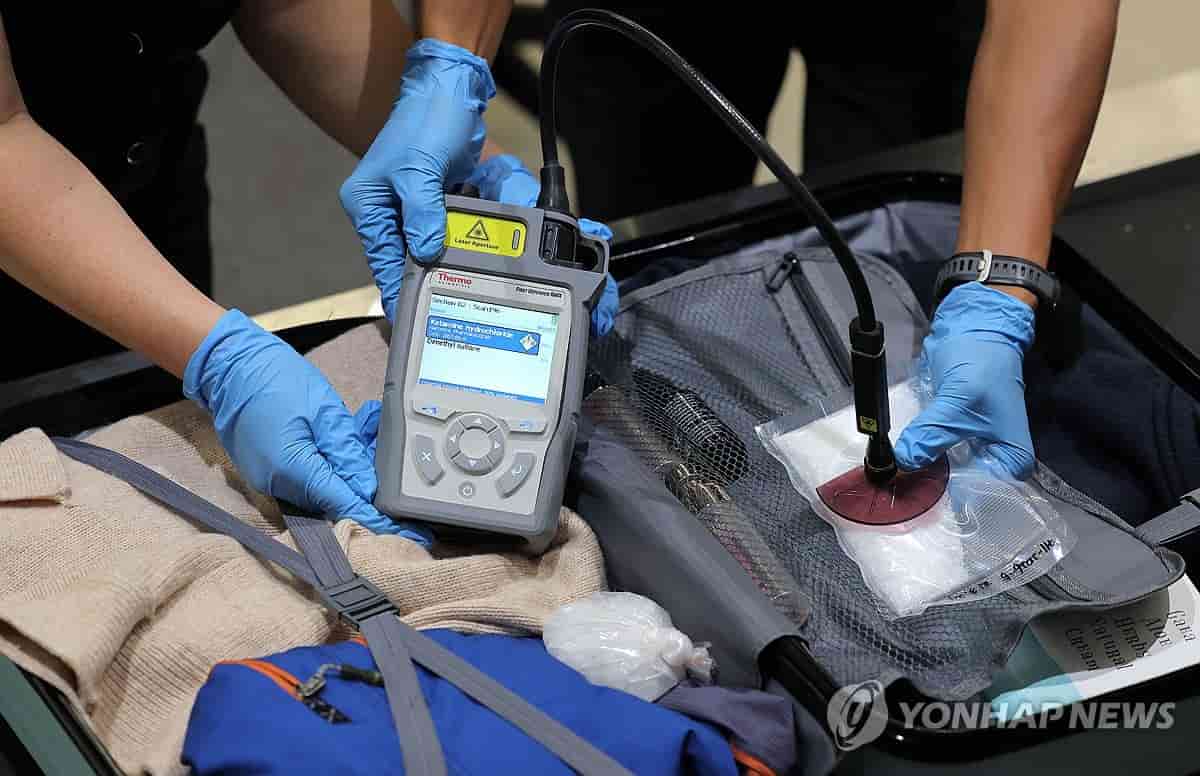
The number of South Koreans involved in overseas drug trafficking has nearly tripled in the past two years, according to data released by Rep. Kim Joon-hwan of the ruling Democratic Party. Last year, 47 Korean nationals received consular support for their involvement in illegal substance-related crimes, a significant increase from 16 in 2023 and 23 in 2024. The data, originally provided by the foreign ministry, indicates that the rise is largely due to Koreans caught attempting to deliver drugs from Southeast Asian nations to countries in Europe.
Analysis of the cases by age shows that individuals in their 30s accounted for nearly half of the total, followed by those in their 40s and 20s. The data also revealed cases involving older individuals, with five people in their 70s and two in their 80s receiving consular support.
Geographically, Cambodia saw the highest number of cases with 11 South Koreans receiving consular support, followed by Thailand with 10 and Japan with nine. Eight individuals received support in Laos, while seven were cited in China and Vietnam, respectively. Britain and Turkey each had six cases.
Lawmaker Kim Joon-hwan urged vigilance among tourists traveling overseas during the summer holiday season and called on the foreign ministry and police to strengthen measures to prevent such drug-related crimes.