Key facts
- Two Democratic senators questioned why counter-evasion sanctions on Russia have been paused for 17 months.
- The senators cited Treasury Secretary Scott Bessent's previous statement about waiting for peace talks to progress.
- Secretary of State Marco Rubio acknowledged that peace talks between Russia and Ukraine were not fruitful.
- The senators are seeking a response by August 28 regarding the resumption of sanctions.
- New sanctions legislation on Russia passed the Senate but faces an uncertain future.
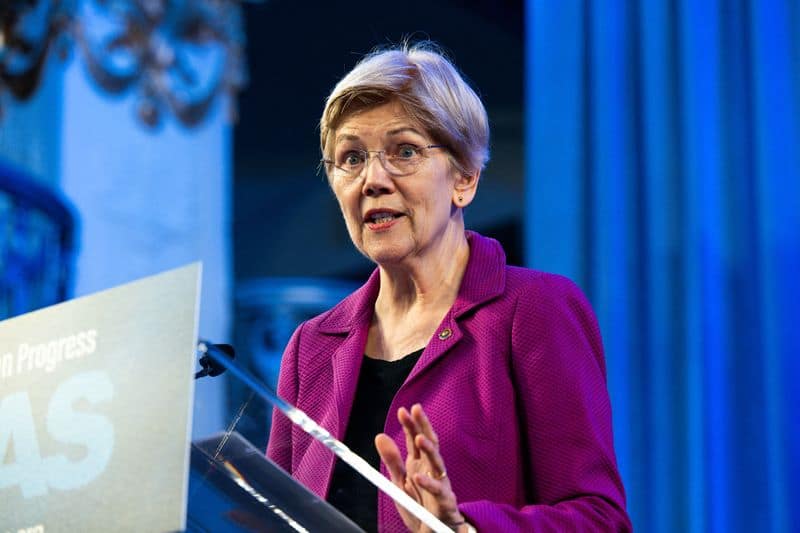
Two senior Democratic U.S. senators, Elizabeth Warren and Christopher Coons, have pressed Secretary of State Marco Rubio and Treasury Secretary Scott Bessent regarding the administration's pause on imposing new sanctions against entities aiding Russia's evasion of existing restrictions. The senators noted in a letter that this pause has lasted for 17 months, despite peace talks with Russia not proving fruitful.
The senators cited Bessent's February statement to Congress indicating a desire to observe the progress of peace talks before resuming certain counter-evasion sanctions. They also referenced Rubio's May observation that peace talks between Russia and Ukraine were not productive and were not actively occurring at that time. The letter points out that the U.S. last imposed significant sanctions on Russia in October 2025, targeting oil companies Rosneft and Lukoil, and suggests these were isolated actions that Russia easily circumvents.
According to the letter, 111 sets of sanctions were imposed on Russia following the February 2022 invasion until January 2025, the month President Donald Trump began his second term. The senators questioned why routine sanctions have not been resumed if the administration's pause was contingent on stalled peace talks. They are seeking a response by August 28 to explain the administration's stance. Meanwhile, the Senate recently passed new sanctions legislation concerning Russia, though its future remains uncertain due to concerns about potential new tariff powers for President Trump on goods from allied nations like Japan and some European countries.