Key facts
- At least nine Rohingya schools in Malaysia have closed due to threats and harassment.
- Online hate speech and misinformation targeting the Rohingya community has surged.
- Children are reportedly too scared to attend school, leading to indefinite suspensions.
- Authorities have shut down some Rohingya-linked businesses and schools for lacking permits.
- Social media platforms are struggling to effectively curb hate speech and violent rhetoric online.
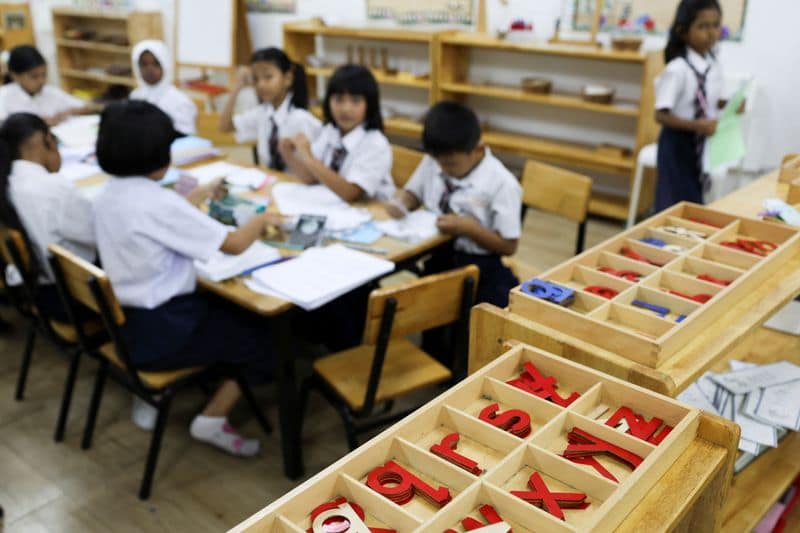
Rohingya refugee schools in Malaysia are facing closures amid a significant increase in online hate speech and threats directed at the community. At least nine schools have shut down, with educators and activists reporting that children are too frightened to attend classes. This surge in online invective, particularly on platforms like Meta's Facebook and Threads, and Bytedance's TikTok, has led to increased scrutiny and official actions against Rohingya-linked businesses and informal learning centers.
The situation has worsened since the COVID-19 pandemic, with online campaigns urging the government to remove refugees gaining substantial traction. While social media companies have removed some harmful content, enforcement is inconsistent, and much remains online. Activists argue that government responses, such as school closures and raids, are exacerbating tensions rather than resolving them. The UN refugee agency has expressed concern over the rising hate speech and dehumanizing narratives targeting refugees.
Malaysia does not officially recognize Rohingya as refugees, classifying them as illegal migrants, despite a large number being registered with the UN. Public opinion has soured due to concerns about competition for jobs, cultural differences, and perceived burdens on the nation. The closures of schools are expected to worsen social problems within the Rohingya community, such as child marriage and vagrancy, as children are denied basic education.