Key facts
- Environment Secretary Emma Reynolds did not meet with investors proposing a rescue deal for Thames Water.
- Officials from Reynolds' department have met with representatives of the creditors' group, London & Valley.
- Reynolds expressed concerns about the rescue deal in a letter to regulator Ofwat.
- Thames Water is on the brink of special administration due to significant debt and pollution fines.
- The proposed rescue deal included substantial equity and debt financing, with debt write-offs.
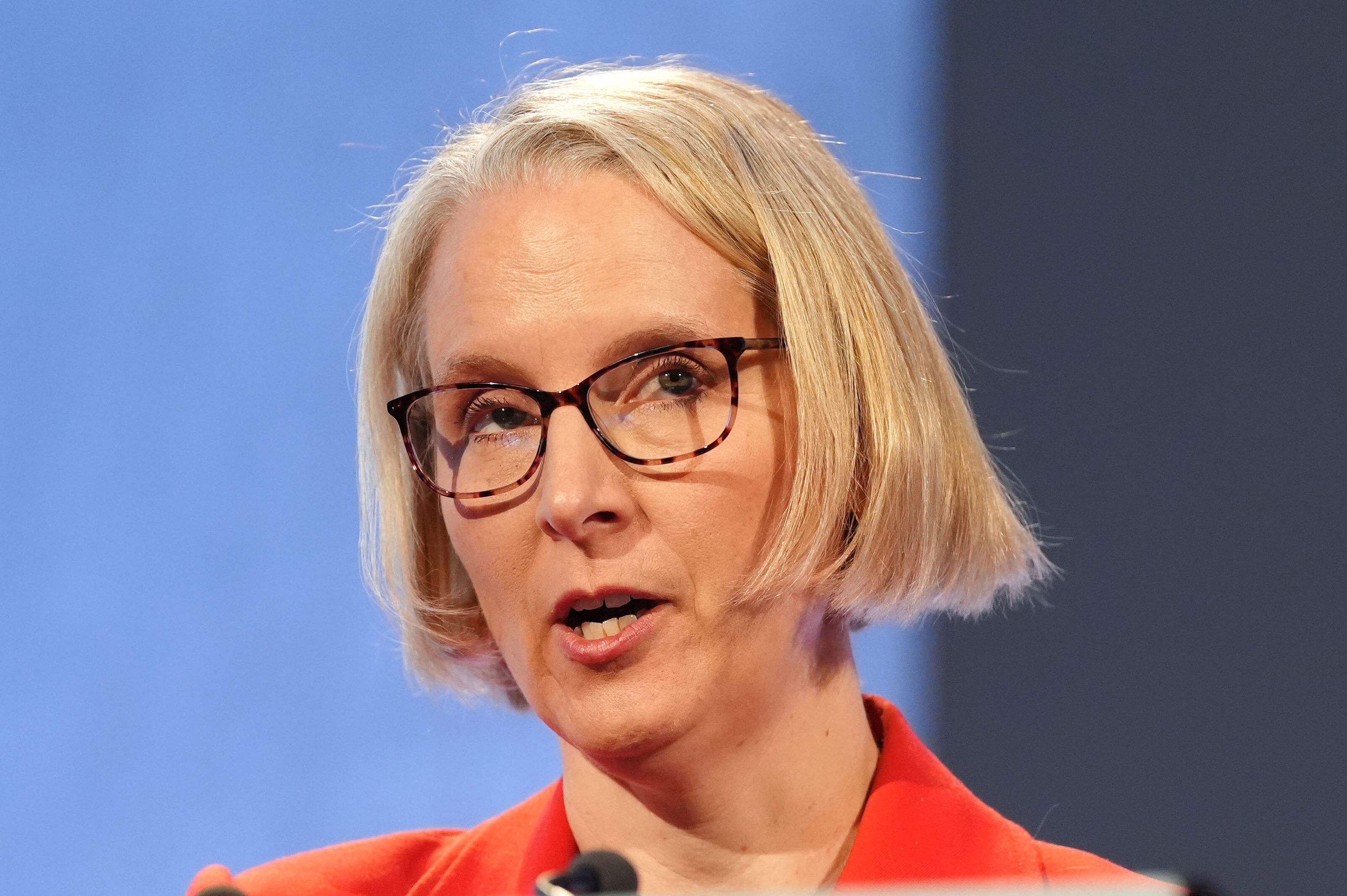
Environment Secretary Emma Reynolds has rejected a proposed rescue deal for Thames Water without meeting the investors behind it, City AM has revealed. Officials from Reynolds' department have instead been in discussions with representatives of the creditors' group, known as London & Valley, which includes major investment firms such as Apollo, Silverpoint Capital, Elliott Management, and the Royal Bank of Canada.
Reynolds, who previously served as the City minister in the Treasury, raised concerns in a letter to the water regulator Ofwat about the rescue deal, citing fears that water and wastewater systems might not be adequately protected. Thames Water is currently facing the prospect of being placed into a special administration regime (SAR), a process that would lead to its temporary nationalisation. The company is burdened by a £20 billion debt pile and has incurred over £120 million in fines for water pollution.
The lenders' proposed deal included approximately £3.4 billion in equity investment and over £6.5 billion in debt financing. It also involved writing off 30% of existing debt owed to larger creditors, a nine-year moratorium on dividend payments, and the settlement of outstanding fines. Creditors argue that their plan would not result in any increase in water bills beyond those already set by Ofwat and could provide significant transparency through a future stock market listing.
Despite previous statements from Labour ministers favouring a "market-based solution," a Downing Street spokesman indicated that a SAR could be implemented to ensure the business continues operating. Reynolds' address to parliament and her letter to Ofwat did not mention the government's preference for a private sector rescue. However, officials reportedly informed creditors that they still viewed a market-based solution as the best scenario for Thames Water.
A spokesperson for the Department for Environment, Food and Rural Affairs stated that Thames Water customers have suffered from 15 years of underperformance, increasing pollution, and costs passed on to consumers. The spokesperson added that the secretary of state is not convinced the current proposal is sufficient for consumers or the environment and that the department is prepared for any eventuality. The London & Valley Water Consortium asserted that their plan is an ambitious, long-term solution designed by experienced turnaround investors, offering the fastest route to improved outcomes for customers and the environment without government funding or taxpayer cost.