Key facts
- Prediction market companies are facing increased scrutiny due to insider trading cases.
- Recent cases involved congressional candidates trading on elections and a soldier trading on classified information.
- Companies like Kalshi and Polymarket are implementing measures to detect and prevent insider trading.
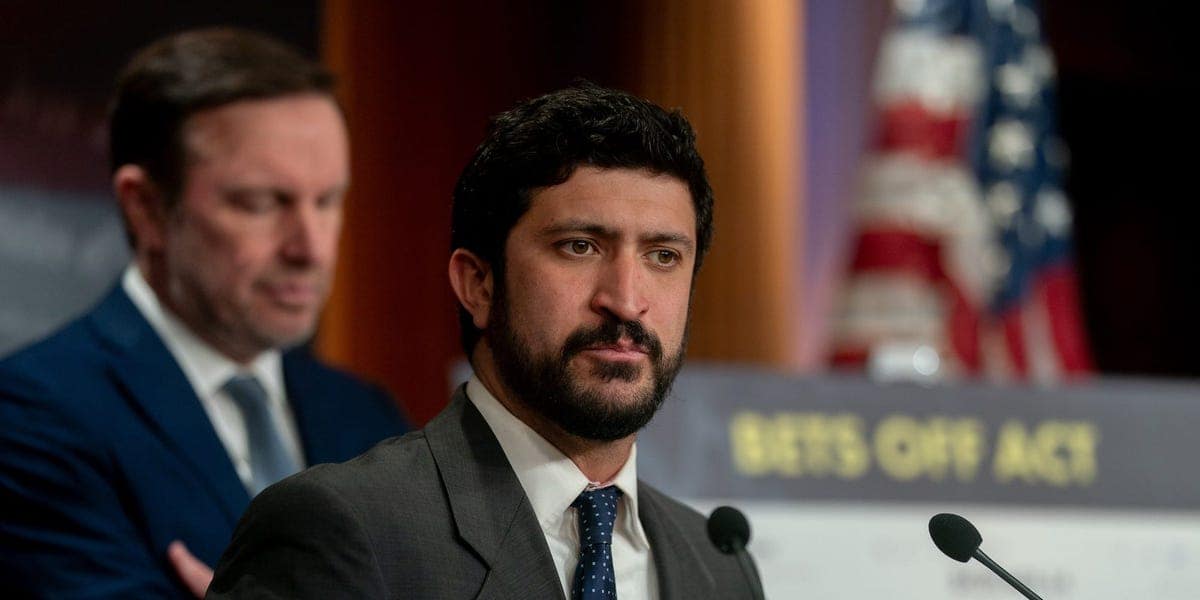
- Some lawmakers believe the markets serve no legitimate function and should be banned entirely.
- A Google engineer was charged for using confidential company data to profit from prediction market trades.
- The CFTC views event contracts on prediction markets as 'swaps,' subject to regulation.
Prediction markets, platforms where users bet on the outcomes of future events, are facing increasing scrutiny over insider trading. Recent high-profile cases, including congressional candidates fined for trading on their own elections and a US Army soldier indicted for using classified information to profit on Polymarket, have intensified concerns. Prediction market companies like Kalshi and Polymarket are responding by implementing stricter rules and partnering with data analytics firms to flag suspicious activity. However, critics in Congress, such as Senators Chris Murphy and Representative Greg Casar, argue that these markets serve no legitimate purpose and should be banned outright, likening them to gambling. Representative Alexandria Ocasio-Cortez also believes current actions are insufficient. A recent case involved a Google software engineer charged with civil and criminal violations for using confidential internal data to make over $1.2 million in profits on a prediction market. The Commodity Futures Trading Commission (CFTC) is treating event contracts on these platforms as 'swaps,' indicating a growing regulatory focus. Despite these enforcement actions and company efforts, the fundamental objection to the existence of such markets persists among some lawmakers.