Key facts
- A Reuters/Ipsos poll indicates that 64% of independent voters support higher taxes on corporations and billionaires.
- Sixty percent of independent voters favor government-provided healthcare, a key progressive proposal.
- A majority of independents view democratic socialists negatively, with 43% less likely to vote for such candidates.
- Independent voters also expressed support for reducing immigration and government regulations on business.
- The poll was conducted online from July 29 to August 3, 2023.
A Reuters/Ipsos poll indicates that some progressive Democratic proposals, such as increasing taxes on billionaires and corporations and implementing government-provided healthcare, are gaining traction among independent voters. These findings suggest a potential pathway for progressive candidates in upcoming elections, despite efforts by Republicans to label Democrats as extremists.
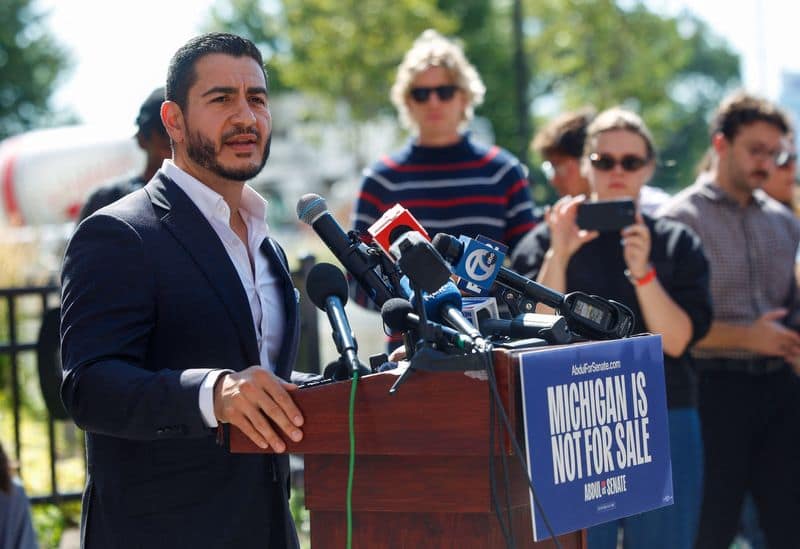
The poll found that 64% of independent registered voters support higher taxes on corporations and billionaires, while 60% favor government-provided healthcare. These issues have been central to the campaigns of insurgent candidates like Abdul El-Sayed, who is running for the U.S. Senate in Michigan.
However, the poll also revealed that independent voters have a negative view of democratic socialists, with 43% stating they would be less likely to vote for a candidate identifying with the label. This presents a challenge for candidates like El-Sayed, who is endorsed by prominent progressive figures such as Bernie Sanders and Alexandria Ocasio-Cortez.
Republicans, including President Donald Trump, have sought to capitalize on the rise of democratic socialism by portraying the Democratic Party as extreme. Strategists are divided on the effectiveness of these attacks, with some believing voter dissatisfaction with the cost of living may outweigh partisan labels.
Independents also expressed support for reducing immigration and government regulations on business, aligning with some conservative viewpoints. The poll surveyed 4,505 U.S. adults, including 1,097 independent registered voters, between July 29 and August 3, with a margin of error of 3 percentage points for independent voters.