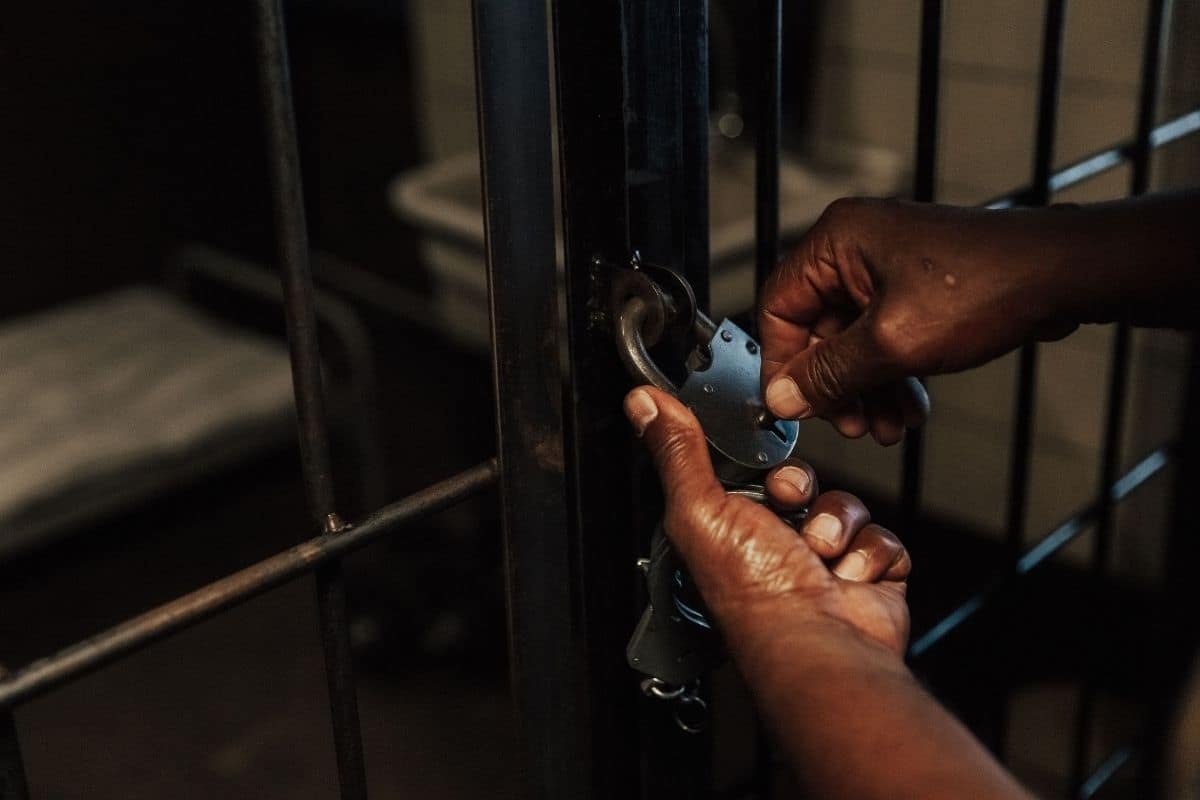
Prime Minister Andy Burnham has halted a controversial early prisoner release scheme that was slated to commence in September, amid significant public backlash and concerns from victims' groups. The decision follows criticism that offenders linked to the 2019 murder of PC Andrew Harper could have benefited from the reforms introduced under the Sentencing Act 2026.
The 'earned progression model' would have allowed some prisoners to be eligible for release after serving approximately one-third of their sentence, subject to strict monitoring. Government officials estimated that around 6,000 offenders might have qualified for earlier release. However, the prospect of individuals connected to the death of PC Harper being released early ignited strong opposition from victims' advocates, police representatives, and the officer's widow, Lissie Harper.
Despite the pause, the underlying issue of severe prison overcrowding in England and Wales persists. Ministers acknowledge the ongoing strain on the prison estate, with previous emergency measures, including temporary early releases, having been implemented to manage capacity. Alternatives like holding inmates in police cells are deemed unsustainable.
The government is undertaking an urgent review of the early release policy, with a focus on whether stronger exemptions and additional safeguards can be incorporated before any revised scheme is considered. Separately, the government has committed up to £82 million over the current Spending Review period to reduce errors in prisoner releases. This investment aims to improve victim communication, modernize systems through digitalization and AI, and simplify processes to minimize sentence calculation mistakes, with the ultimate goal of achieving near-zero errors.