Key facts
- Dinaw Mengestu resigned as president of Pen America after seven months.
- Mengestu stated his resignation was due to Pen America's failure to defend free expression equitably.
- He specifically criticized the organization's stance on the Boycott, Divestment, Sanctions (BDS) movement.
- Pen America acknowledged that Jewish authors have faced professional setbacks since October 7.
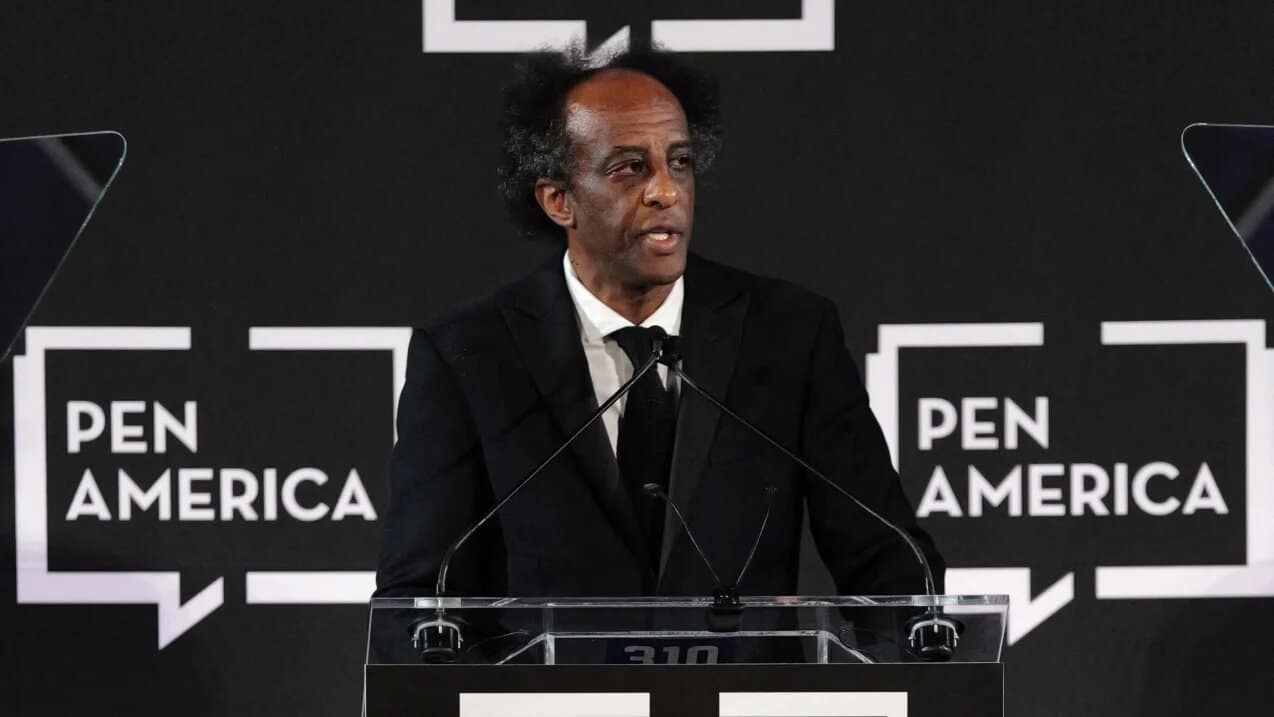
Dinaw Mengestu, president of Pen America, resigned after only seven months, citing the organization's perceived unfair treatment of Palestinians and its failure to defend free expression equitably. Mengestu, an Ethiopian-American novelist, stated in an Instagram post that Pen America's actions, particularly its stance on the Boycott, Divestment, Sanctions (BDS) movement, amounted to suppression through bigotry and indifference.
Mengestu argued that Pen America's characterization of BDS as an "assault on the identity of Jewish students" diminishes the Palestinian experience to the point of "erasure." He maintained that boycotts are a form of protected free speech under the First Amendment and that Pen America failed to understand this.
Pen America, in response, expressed gratitude for Mengestu's leadership and stated it respects his decision. The organization acknowledged that people can disagree on applying free expression principles in the current environment. A report released by Pen America on July 9 addressed the emotional toll on Israeli and Jewish-American writers following Israel's actions in Gaza, noting that Jewish authors have described losing professional opportunities since October 7 due to their identity or sympathy for Israel, while also stating that no organized boycott has targeted writers solely for being Jewish.
Writers Against The War on Gaza (Wawog), a group whose members include writers who previously boycotted Pen America, supported Mengestu's decision, with a representative stating that principles are paramount and that Pen America consistently compares "material genocidal violence against Palestinians" to "semantic argument" concerning Israelis and Jewish Americans who support Zionism.