All NewsEducationTV
Equities & FundsCrypto & Digital AssetsAI & TechnologyBusiness & CorporateUS Politics & PolicyGeopolitics & Global RiskMacro, Rates & FXCommodities & EnergyEuropean Politics & MarketsAsia-PacificReal Estate & Property
Story archiveAll categories
← All Stories

New surveillance tech links phones to license plates

Created at 11 Aug · 1:21 PM1 source↑ Market-relevant
IN SHORT

A new system called SignalTrace, developed by Leonardo, uses roadside cameras and sensors to link broadcast electronic signals from devices like phones to license plate records. This technology allows investigators to track movements and associations of individuals, even without knowing their names, raising privacy concerns.

✉Newsletter

PiQ Daily

Pick your topics. Get only what matters, on your cadence.

Key Numbers

1.5 millionpeople in mobility data study
15 monthsduration of mobility data study
95%people uniquely identified by four time-and-place points in study

Who's Involved

Leonardo
security company marketing SignalTrace surveillance technology
National Institute of Standards and Technology
defines personally identifiable information
Supreme Court
recognized privacy in phone location records
New surveillance tech links phones to license plates

↳ Why This Matters

This technology raises significant privacy concerns by enabling the tracking of individuals' movements and associations through their electronic devices, potentially without their knowledge or consent, and challenging existing Fourth Amendment protections.

Key facts

  • Leonardo's SignalTrace system links broadcast electronic signals from devices to license plate records.
  • The technology can identify groups of devices that regularly travel together and associate them with vehicles.
  • Investigators can use SignalTrace to track movements and associations, even without knowing a person's name.
  • The system relies on detecting signals like Bluetooth or RFID tags.
  • Privacy advocates argue that the system can still identify individuals by linking device signals to other data.
  • The Supreme Court has affirmed a reasonable expectation of privacy in phone location records.
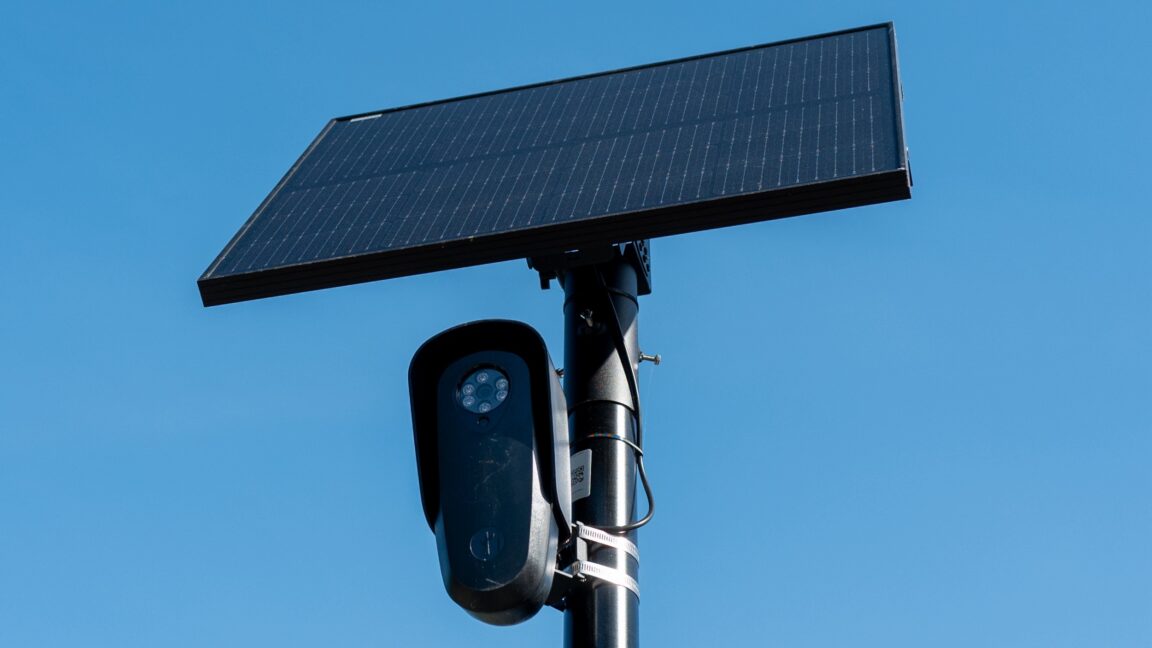
  • A new surveillance technology called SignalTrace, developed by the security company Leonardo, is designed to link broadcast electronic signals from devices like phones and smartwatches to license plate reader data. The system aims to help investigators track movements and associations of individuals by recognizing recurring patterns of devices traveling together, even if the individuals' identities are not initially known.

    SignalTrace works by detecting signals such as Bluetooth or radio frequency identification tags. While Leonardo states the system does not directly identify people and only collects electronic signatures, privacy advocates argue that these signatures can be linked to other information, such as vehicle registration records and home locations, to infer identity. This approach shifts investigations towards people's movements and associations before their identities are established.

    The technology's effectiveness is highlighted by research showing that even a few time-and-place points from mobility data can uniquely identify a large percentage of individuals. The Supreme Court has also recognized a reasonable expectation of privacy in phone location records, as seen in cases like Carpenter v. United States and Chatrie v. United States, which dealt with the Fourth Amendment implications of obtaining location data.

    While SignalTrace is marketed as a tool to develop investigative leads, its ability to track individuals based on device proximity and movement patterns raises significant privacy concerns. The system's reliance on association, without knowing the reason for proximity, means that individuals could become subjects of investigation based on where their devices appear and who they appear near, irrespective of initial suspicion.
    Frequently asked questions

    SignalTrace is a surveillance system developed by Leonardo that links broadcast electronic signals from devices like phones to license plate reader data, allowing investigators to track movements and associations.

    It uses roadside cameras and sensors to detect signals from devices such as Bluetooth or RFID tags, associating these electronic signatures with license plate records and time-stamped locations.

    Privacy advocates worry that the system can identify individuals by linking device signals to other data, enabling tracking of movements and associations even without knowing a person's name, potentially infringing on Fourth Amendment rights.

    Yes, the Supreme Court has recognized a reasonable expectation of privacy in phone location records and has considered Fourth Amendment protections for obtaining such data.

    What Happens Next

    01The extent of SignalTrace's adoption by police departments remains to be seen.
    02Further legal challenges may arise regarding the Fourth Amendment implications of this technology.

    Get the newsletter.

    Pick the topics you actually care about. We'll email when there's news worth your time, on the cadence you choose. Cancel any time from your account.

    Cadence

    How It Developed

    A new surveillance system called SignalTrace has been developed by Leonardo.
    SignalTrace uses license plate readers and sensors to detect broadcast electronic signals from devices like phones.
    The system associates these electronic signatures with license plate records and time-stamped locations.
    Investigators can use SignalTrace to track movements and associations of individuals, even without knowing their names.
    The technology raises privacy concerns regarding the collection and use of personally identifiable information.
    The Supreme Court has recognized a reasonable expectation of privacy in phone location records.

    Sources

    T1
    New surveillance tech links your phone to your license platevar abtest_2166959 = new ABTest(2166959, 'impression');Ars Technica

    Related Stories

    New Mexico wins 'public nuisance' ruling against Meta
    10 Aug · 6:50 PM
    Google Play Store now hosts third-party app store Aptoide
    10 Aug · 3:51 PM
    Ilhan Omar questions Trump administration's use of ICE for surveillance
    10 Aug · 10:36 PM
    AI industry wins primary fight, now targets lawmakers nationwide
    11 Aug · 9:56 AM
    Trump Downplays AI Concerns as Data Centers Spark Voter Backlash
    10 Aug · 3:46 PM