Meta is on trial in California over allegations it deliberately made Instagram and Facebook addictive to children. States are seeking billions in damages and sweeping changes to platform features, with experts warning of significant reputational damage that could dwarf financial penalties.

This trial could set a precedent for how social media platforms are regulated and designed, potentially forcing major changes to business models that rely on user engagement and impacting the digital landscape for young people globally.
Meta Platforms is facing a landmark trial in California, where a coalition of US states accuses the social media giant of deliberately designing its platforms, Instagram and Facebook, to be addictive for children. The states are seeking billions of dollars in damages and demanding sweeping changes to core features such as infinite scrolling, autoplay videos, and visible 'like' counts.
Experts liken the potential repercussions for Meta to the 'big tobacco moment' for the tobacco industry, suggesting that the reputational damage could far outweigh any financial penalties. The lawsuit, originally filed in 2023, also alleges that Meta routinely collected personal data from children under 13 without parental consent, violating federal law.
Meta has denied the allegations, stating it is proud of its efforts to protect teenagers and the safeguards it has implemented. The company expressed anticipation in presenting its case to the court.
Beyond financial penalties, the trial's outcome could significantly impact the business models of social media companies. If forced to alter features designed to maximize user engagement, Meta and others could face fundamental changes to their operations. This legal challenge reflects a growing trend of litigation focusing on platform design and algorithms, rather than solely on user-generated content.
The trial is being closely watched internationally, particularly in the UK, which is considering its own stricter regulations for social media use among minors. Legal experts note that while regulation has been slow to catch up with evolving technology, litigation can force companies to disclose internal decisions and directly link harmful design choices to financial costs.
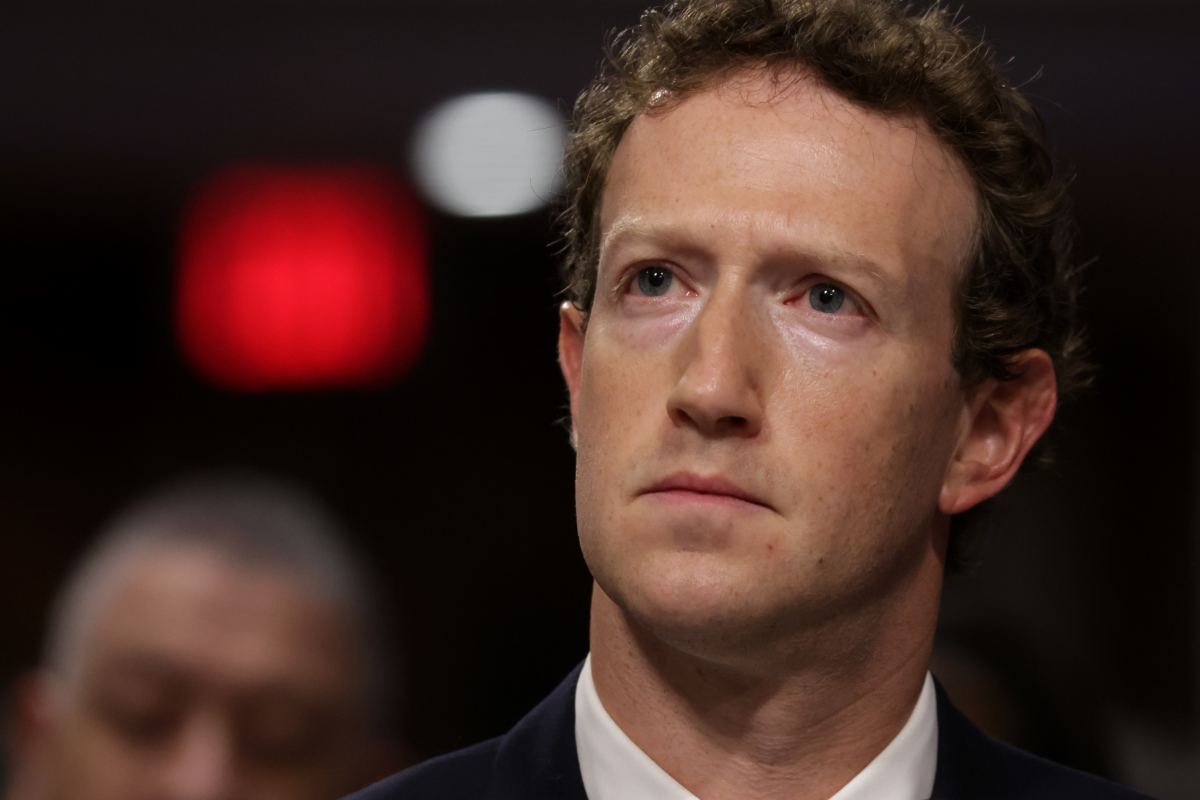
Mark Zuckerberg, Meta's CEO, is expected to testify during the proceedings, which are scheduled to last six to eight weeks. A verdict is anticipated in the autumn.