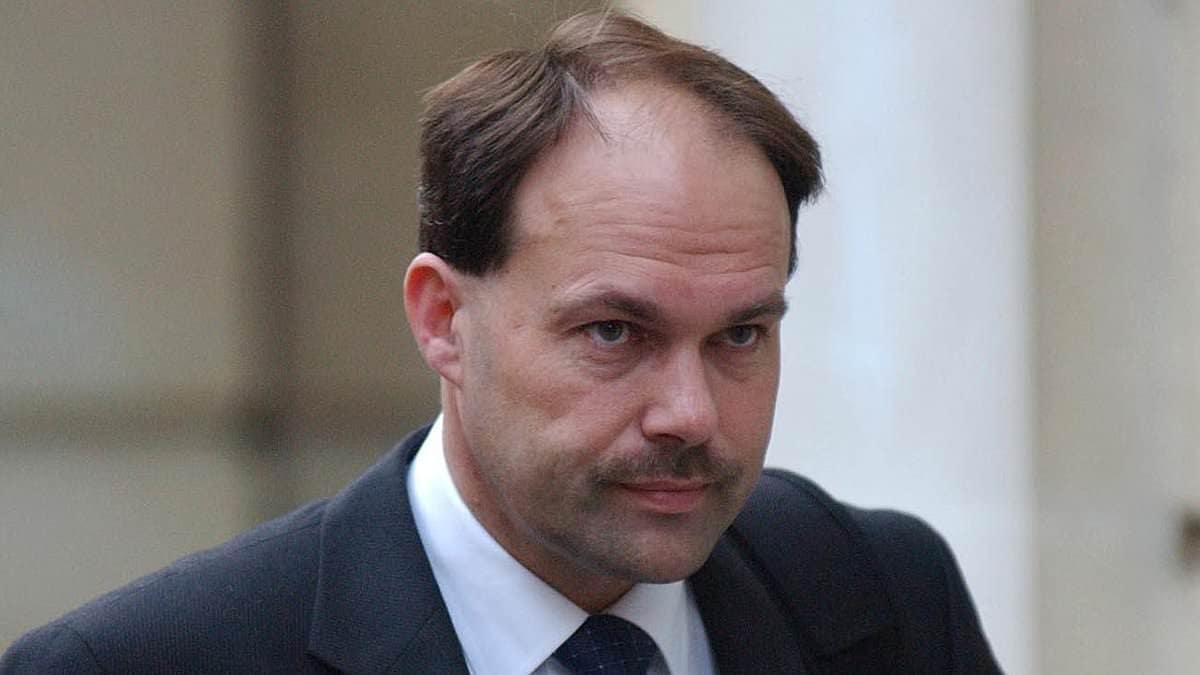
Key facts
- Glyn Razzell, convicted of murdering his wife Linda in 2003, has been granted parole.
- Razzell has never revealed the location of his wife's body, who disappeared in 2002.
- Helen's Law mandates consideration of a killer's refusal to disclose a victim's burial site for parole.
- The Parole Board stated its decision focused on public risk, not the withholding of information.
- The victim's family and Women's Rights Network have criticized the decision as undermining Helen's Law.
- The Ministry of Justice is reviewing the Parole Board's decision for potential challenge.
Glyn Razzell, who was convicted of murdering his estranged wife Linda in 2003 and has never disclosed the location of her body, has been granted parole by the Parole Board. Linda Razzell vanished on her way to work in Swindon in 2002, and her remains have never been found.
The decision has sparked outrage from Linda's family and advocacy groups, who argue it undermines Helen's Law. Enacted in 2021, the law compels the Parole Board to consider the suffering caused to victims' families by killers who refuse to reveal where their loved ones are buried. Greg Worrall, Linda's fiancé at the time of her disappearance, expressed that the ruling "ripped up" Helen's Law and will cause further stress.
The Parole Board acknowledged the "continuing cruelty" of Razzell's refusal to reveal his wife's whereabouts but stated its decisions are "solely focused on what risk a prisoner could represent to the public if released and whether that risk was manageable in the community." The board also noted Razzell's continued assertions that he did not know where the body was because he did not commit the crime, but concluded this "cannot be a bar to release."
Cathy Larkman of the Women's Rights Network called the decision "cruel" and stated it "makes a mockery of Helen's law." Razzell, a 64-year-old ex-banker, was sentenced to life with a minimum of 16 years, having been convicted based on forensic evidence of his wife's blood found in his car. He had been denied parole three times previously, including in 2021 when he was the first prisoner denied release under Helen's Law.
The Ministry of Justice confirmed it is examining grounds to challenge the Parole Board's decision through its reconsideration mechanism.