Key facts
- The Trump administration has proposed changes to the F-1 student visa program.
Three immigration lawyers discuss proposed changes to the F-1 student visa program, including a four-year cap and reduced post-graduation grace periods. They express concerns about the economic impact and the attractiveness of the U.S. for international students.
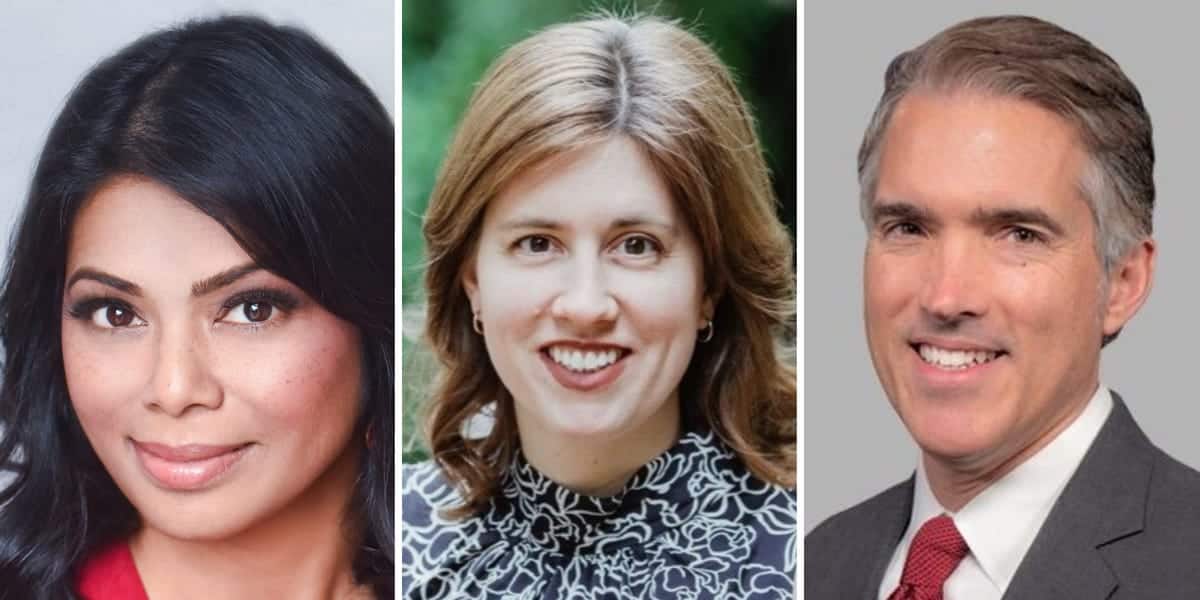
These proposed changes could significantly alter the landscape for international students in the U.S., potentially impacting university enrollment, the U.S. innovation pipeline, and the nation's global competitiveness by making it a less attractive destination for global talent.
The Trump administration has announced significant changes to the F-1 student visa program, which could impact international students studying in the U.S. The proposed rule, slated to take effect on September 15 if it passes congressional review, would cap F-1 visas at four years and shorten the post-graduation grace period from 60 to 30 days. Students wishing to regain F-1 status would need to apply to the Department of Homeland Security (DHS) or leave the country. Additionally, students would no longer be permitted to begin a new academic program at the same or a lower level after completing their current one.
DHS stated that these changes are intended to address national security concerns, visa fraud and abuse, and the issue of overstays. The administration also cited the growing number of international students in the U.S. as a factor.
Immigration lawyers have expressed concerns about the potential consequences of these new regulations. Tahmina Watson, a business immigration lawyer, described the changes as an economic policy that could make the U.S. less attractive to international talent, potentially harming universities, businesses, and the nation's long-term global competitiveness. She advised students to minimize international travel and apply for Optional Practical Training (OPT) or STEM OPT as early as possible.
Loren Locke, managing attorney at Locke Immigration Law, highlighted that many degree programs, particularly in engineering and architecture, exceed four years, and doctoral and medical programs often last longer. She expressed worry that arbitrary denials of extension applications by USCIS could effectively ruin a student's academic or career path, stripping away protections previously afforded by deference policies. Locke also noted that this could damage the U.S.'s reputation as a destination for international students, leading to significant negative economic impacts.