Key facts
- Prediction market platform Kalshi is involved in multiple legal fights across the U.S.
- Kalshi lost an emergency motion in Nevada to halt a requirement to block state customers from trading.
- Ohio regulators penalized Kalshi for allegedly running an unlicensed sports-betting operation.
- Michigan gaming regulators obtained a temporary restraining order against Kalshi.
- The CFTC advocates for federal jurisdiction over prediction markets as derivatives.
- North Carolina is set to implement a 6% tax on prediction market revenue.
- A U.S. Supreme Court justice granted New Jersey an extension in its appeal regarding prediction market taxation.
Prediction market platform Kalshi is navigating a complex web of legal battles across the United States, as the industry seeks to establish its regulatory standing and fend off state-level restrictions and taxation. The company is challenging decisions in states including Nevada, Michigan, and Ohio, where regulators have accused it of operating unlicensed sports betting or failing to comply with trading restrictions.
In Nevada, Kalshi's emergency motion to halt a requirement blocking state customers from trading was denied by the state's Supreme Court. Meanwhile, Ohio regulators penalized Kalshi for allegedly running an unlicensed sports-betting operation, a move that followed earlier arguments from the Commodity Futures Trading Commission (CFTC) on the matter. Michigan gaming regulators secured a temporary restraining order against Kalshi, with the state's Gaming Control Board Executive Director Henry Williams stating the company targets vulnerable residents with sports betting disguised as investing.
On the federal level, the CFTC, led by its pro-innovation chairman Mike Selig, is actively arguing that prediction markets fall under its exclusive jurisdiction as a derivatives regulator. The agency contends that the contracts offered are akin to hedging instruments used in traditional finance. Kalshi representative Jacki McGavick stated the company is fighting for consumers' right to market access against state challenges.
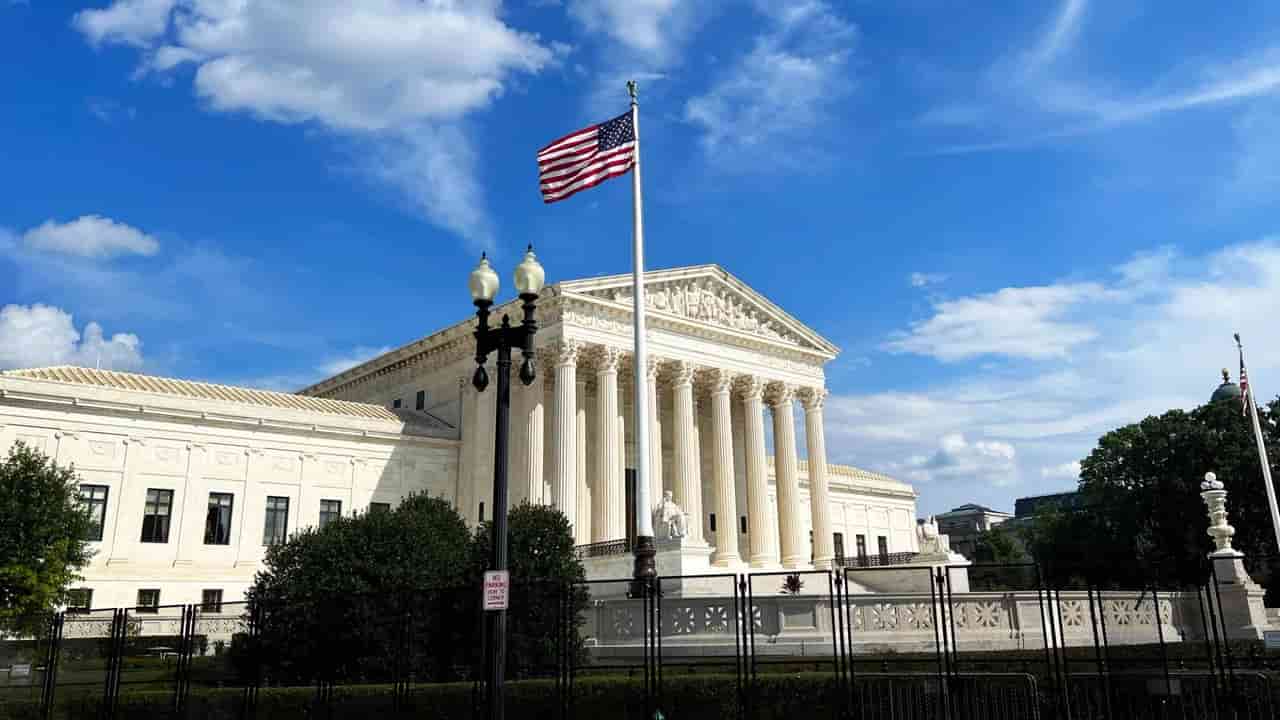
Beyond regulatory jurisdiction, states are also exploring tax revenue from the burgeoning prediction market sector. North Carolina's legislature is poised to approve a budget bill that includes a 6% tax on prediction market revenue, while simultaneously increasing taxes on sportsbooks. A dispute in New Jersey, where the state attempted to categorize prediction markets similarly to sports gambling, has reached the U.S. Supreme Court. Justice Samuel Alito granted New Jersey an extension to August 4, 2026, for its appeal process, highlighting the significant implications of the case for state versus federal authority over sports wagering.