Key facts
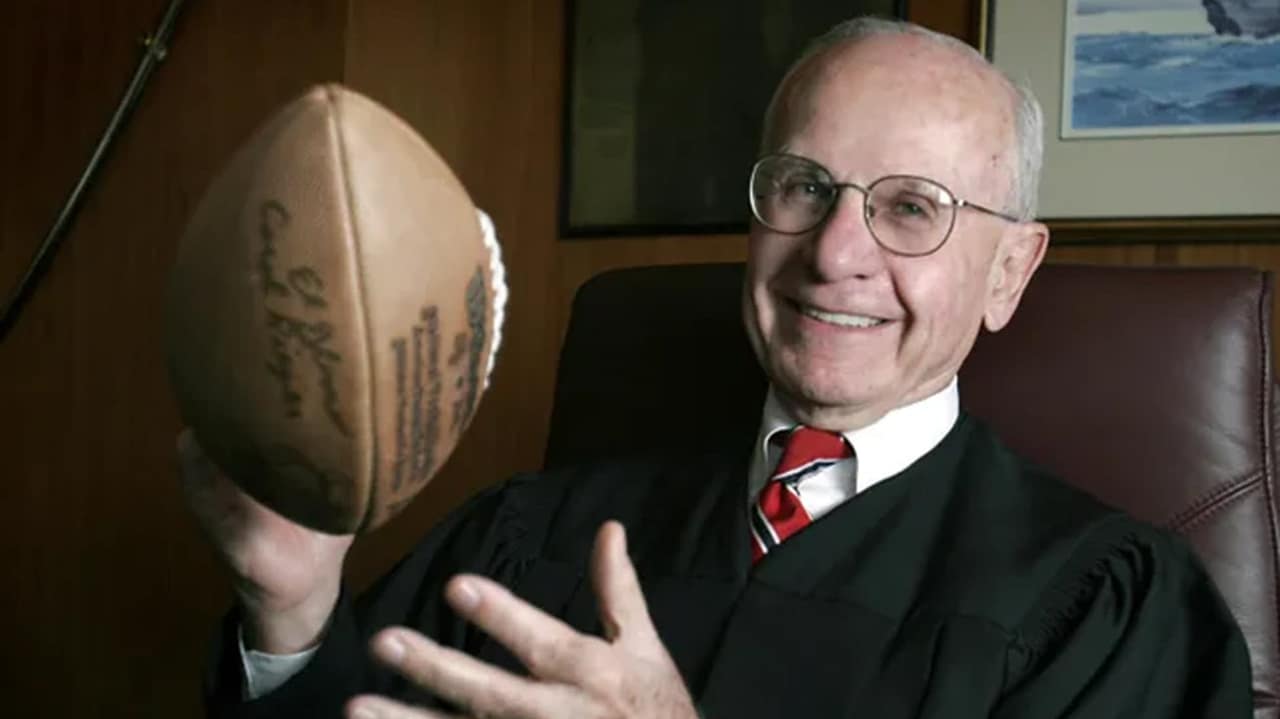
- U.S. District Judge David Doty, who was instrumental in shaping the modern NFL, has died at age 96.
- Doty's 1992 ruling was foundational for the league's current free agency system.
- He presided over the 1993 agreement that established free agency and the salary cap.
- Doty handled numerous NFL labor disputes for decades, including player discipline and financial matters.
- Appointed by President Ronald Reagan in 1987, he remained active on the bench until shortly before his death.
David Doty, the U.S. District Judge whose rulings significantly influenced the modern National Football League, particularly regarding player rights and league structure, has died at the age of 96. District of Minnesota officials announced his death on Saturday, three days before his birthday. The league expressed condolences, noting his dedication to public service and the law.
Appointed to the federal bench in 1987 by President Ronald Reagan, Doty gained senior status in 1998 and continued to preside over cases until shortly before his passing. His judicial career spanned nearly four decades, during which he handled thousands of civil and criminal cases, including numerous landmark NFL labor disputes. He was known for his down-to-earth demeanor that could become stern when necessary.
Doty's most significant impact on the NFL came after a 1987 player strike. When the NFL Players Association sued over restrictive free agency rules, Doty was assigned to the case. While initially siding with the NFL by refusing to immediately release hundreds of players, he later granted them freedom to pursue individual antitrust cases. In 1992, a jury struck down the owners' "Plan B" limited free agency system, and Doty subsequently ruled in favor of players seeking unrestricted free agency.
This led to fresh negotiations, culminating in a 1993 collective bargaining agreement that introduced more permissive free agency and a salary cap, measures credited with fostering the league's competitive parity and popularity. Doty continued to oversee unresolved labor disputes, including ruling in favor of Michael Vick retaining bonus money in 2008 and siding with Adrian Peterson in his 2015 suspension appeal.