Key facts
- A federal judge blocked Minnesota's law banning prediction markets.
- The ban was scheduled to take effect on August 1.
- The judge found that many prediction market trades likely qualify as 'swaps' under federal law.
A federal judge has blocked Minnesota's law that would have banned prediction markets, ruling that the state ban likely violates federal law. The judge found that many prediction market trades qualify as 'swaps' under federal law, giving the CFTC exclusive regulatory authority.
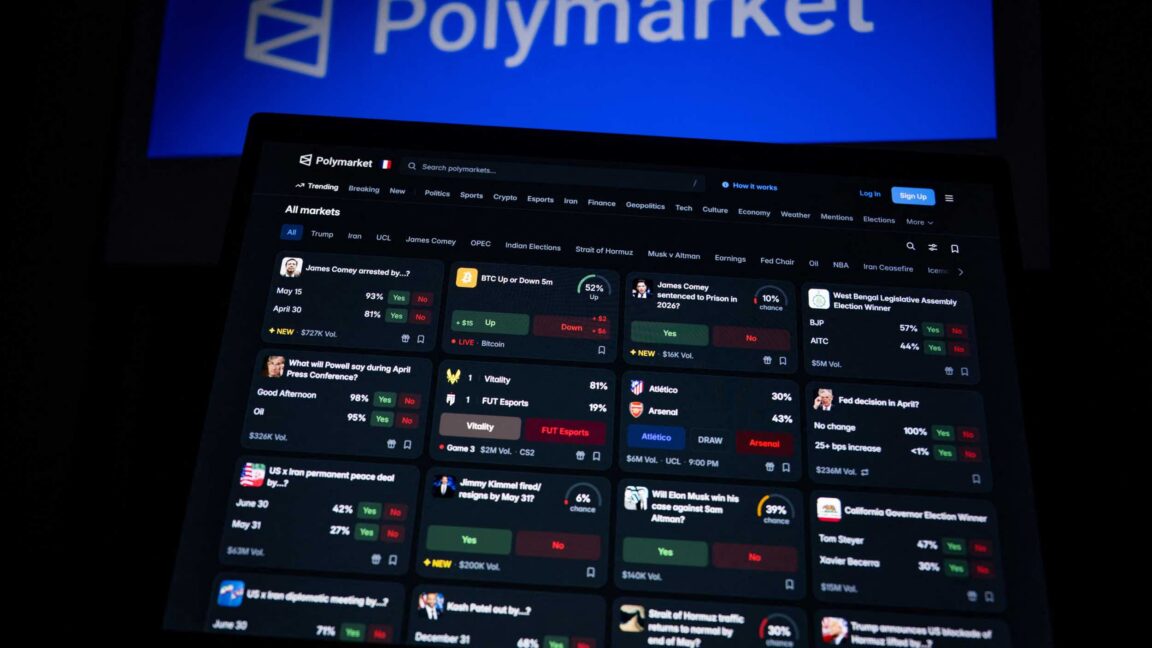
The ruling impacts the regulatory landscape for prediction markets nationwide, potentially establishing federal oversight by the CFTC over these platforms and setting a precedent for other states considering similar bans.
A federal judge has temporarily blocked Minnesota's law that would have banned prediction markets, ruling that the state's prohibition likely violates federal law. The law, set to take effect on August 1, was challenged by the Trump administration and two major prediction markets, Kalshi and Polymarket.
US District Judge Katherine Menendez stated that many trades on platforms like Kalshi and Polymarket appear to be "swaps" under the Commodity Exchange Act, a category regulated exclusively by the US Commodity Futures Trading Commission (CFTC). The judge issued a preliminary injunction, preventing the enforcement of the total ban until a final decision is reached.
However, Menendez indicated that Minnesota might still be able to prohibit certain types of prediction market bets if they do not meet the federal definition of swaps. For instance, bets on the outcome of reality television shows like Love Island USA were cited as examples that may not qualify as swaps, suggesting a potential for a narrower, partial ban.
Minnesota Attorney General Keith Ellison expressed disagreement with the ruling, calling prediction markets "predatory gambling apps" and stating the state's intention to continue defending the law. The case highlights ongoing legal battles over the classification and regulation of prediction markets across different states.