Key facts
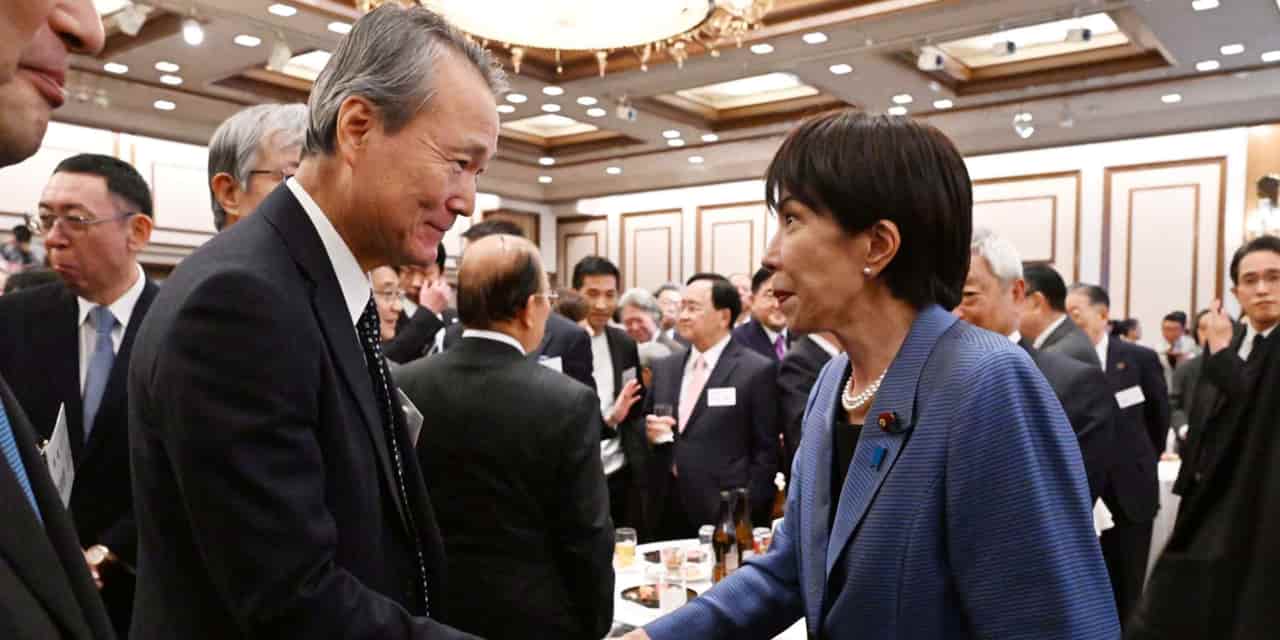
- Prime Minister Sanae Takaichi meets less often with leaders of individual companies than her predecessors.
- Takaichi prefers to engage with representatives from industry groups for broader input.
- She communicates largely through social media, limiting traditional press access.
- This approach contrasts with previous Japanese prime ministers who had more frequent media engagements.
- Takaichi's communication style has been noted for its active use of social media.
Japanese Prime Minister Sanae Takaichi is adopting a different approach to engaging with the business community and the press compared to her immediate predecessors. Instead of frequent one-on-one meetings with company leaders, Takaichi prioritizes discussions with representatives from industry groups to gather broader input. This shift is part of a larger trend where Takaichi relies heavily on social media for communication, significantly limiting her direct engagement with traditional media outlets.
Data indicates that Takaichi has spoken with waiting press groups fewer times than recent Liberal Democratic Party premiers. For instance, analysis of her movements from October 21, 2025, to March 21, 2026, shows she engaged with the press 34 times, a lower frequency than leaders like Shigeru Ishiba (57 times), Fumio Kishida (90 times), and Yoshihide Suga (50 times) over comparable periods.
This communication strategy has drawn criticism from some quarters, with commentators noting that Takaichi's approach bypasses traditional media channels. Professor Toru Takeda of Senshu University suggests Takaichi's stance is to "say what she wants to say" rather than respond to direct questions, emphasizing the media's role in verification and the government's need to heed critical views. Some observers interpret this as an avoidance of difficult questions, while others see it as a deliberate strategy to maintain her support base by controlling the narrative through curated social media posts.