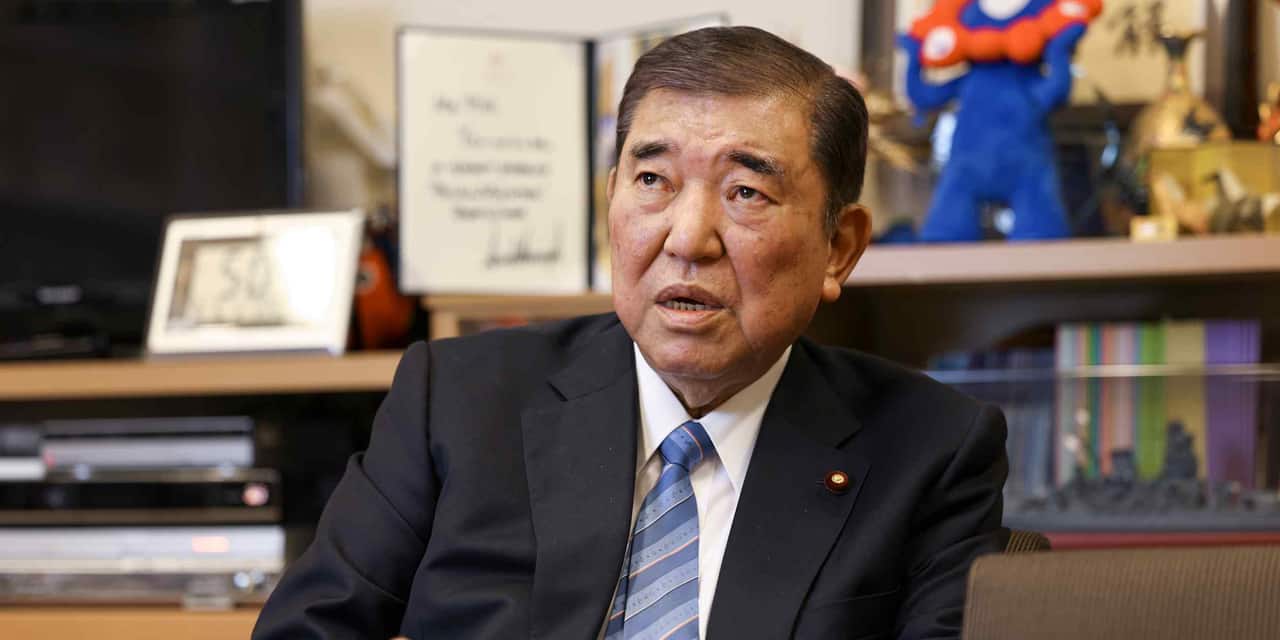
Former Japanese Prime Minister Shigeru Ishiba has stressed the ongoing need for Japan to reflect on its history, particularly concerning World War II, ahead of Liberation Day and the anniversary of Japan's defeat.
In an interview with Nikkei, Ishiba noted that the expression of 'reflection' was omitted from recent memorial services for war dead, a departure from previous years. He referenced former Prime Minister Tomiichi Murayama's 1995 statement, which included reflection, apology, and vigilance, and contrasted it with the approach of Shinzo Abe, suggesting that while current Japanese citizens may not directly apologize for past actions, they have a responsibility to recognize what occurred.
Ishiba identified the militaristic political system of Imperial Japan as a cause of the war, explaining that the supreme command of the military was independent of politicians under the Empire of Japan's Constitution. He argued that the government did not function properly after the majority of elders disappeared, leading to spiritualism and valor guiding state administration.
Looking ahead, Ishiba predicted that Japan's relative status would not rise in the future, citing a projected halving of its population in 100 years and the emergence of other Asian countries like China. He emphasized that facing the past is crucial for Japan's future.
Ishiba also detailed why Japan failed to avoid the war, pointing to the military's independence from politicians, the loss of control over the military due to political rivalries, and the diminished role of parliament. He noted the assassination of three prime ministers by nationalists and young officers, which suppressed dissent and free discussion. The media's shift towards reporting on wars, increasing circulation and deceiving the public, also contributed, with freedom of speech being controlled by 1937.
He concluded by stressing the importance of learning from the past, ensuring current systems of civilian control and accurate information analysis are used, and that politicians actively explain situations and prioritize the people's interests. Ishiba called for parliament and media to exercise their right to control the military and promote healthy journalism, emphasizing sincerity, tolerance, and listening for a healthy democracy, especially as direct war memories fade.